Understanding Granite Countertop Costs: Tips for Smart Budgeting
When considering a kitchen upgrade, a key factor in budget planning selecting the ideal granite surface. Celebrated for long-lasting quality and sophisticated design, granite countertops have become a symbol of quality and luxury. Being aware of granite costs allows informed decisions that balance style and practicality. Prices can vary widely depending on factors such as slab quality, color variations, origin, and installation complexity. Recognizing these variables ensures your selection meets both design goals and budget.
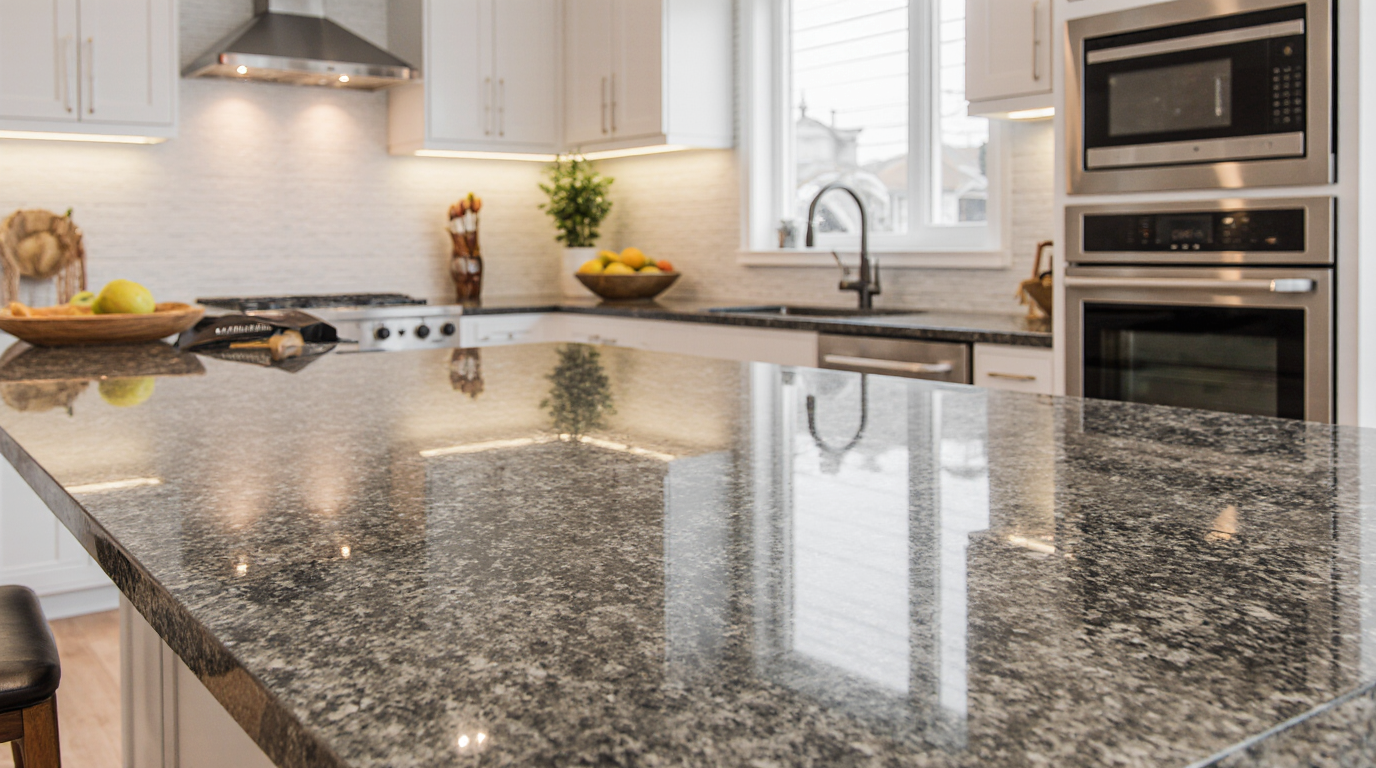
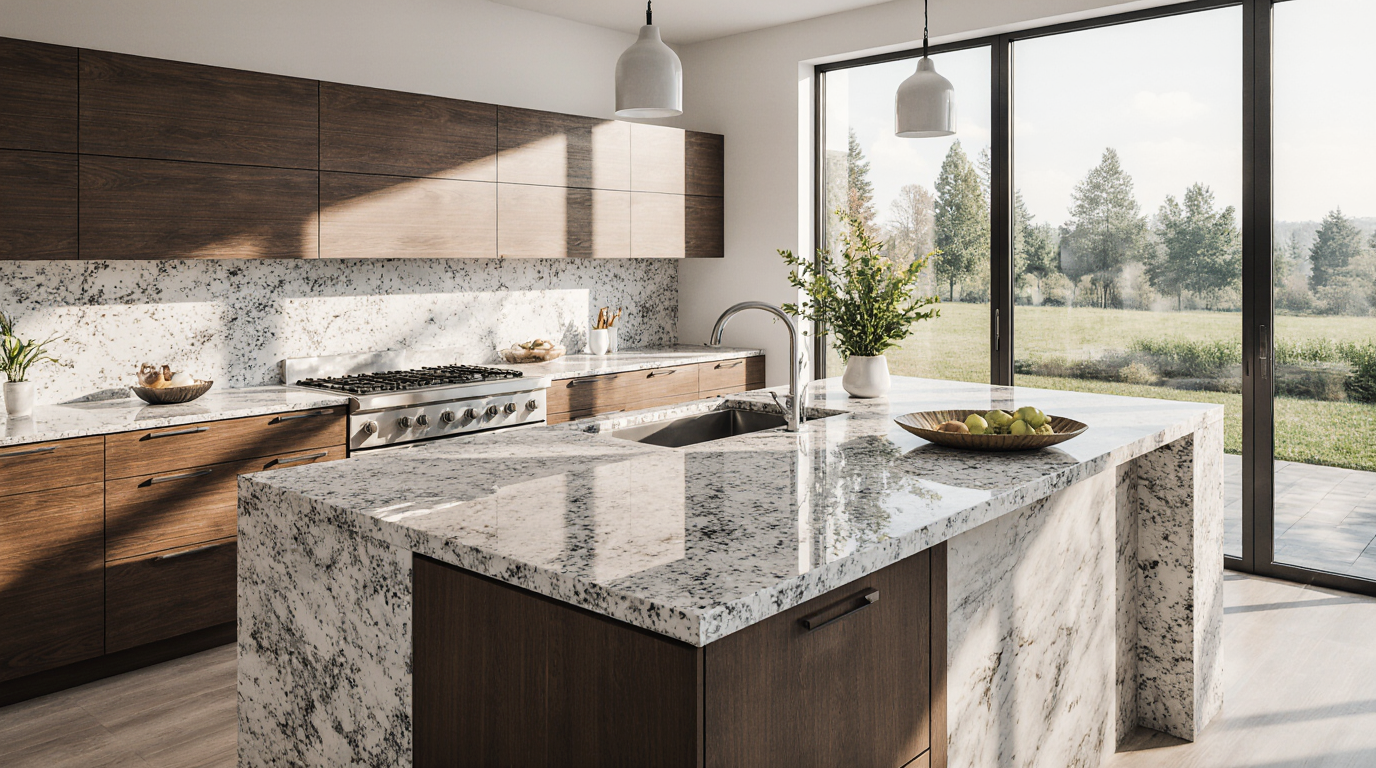
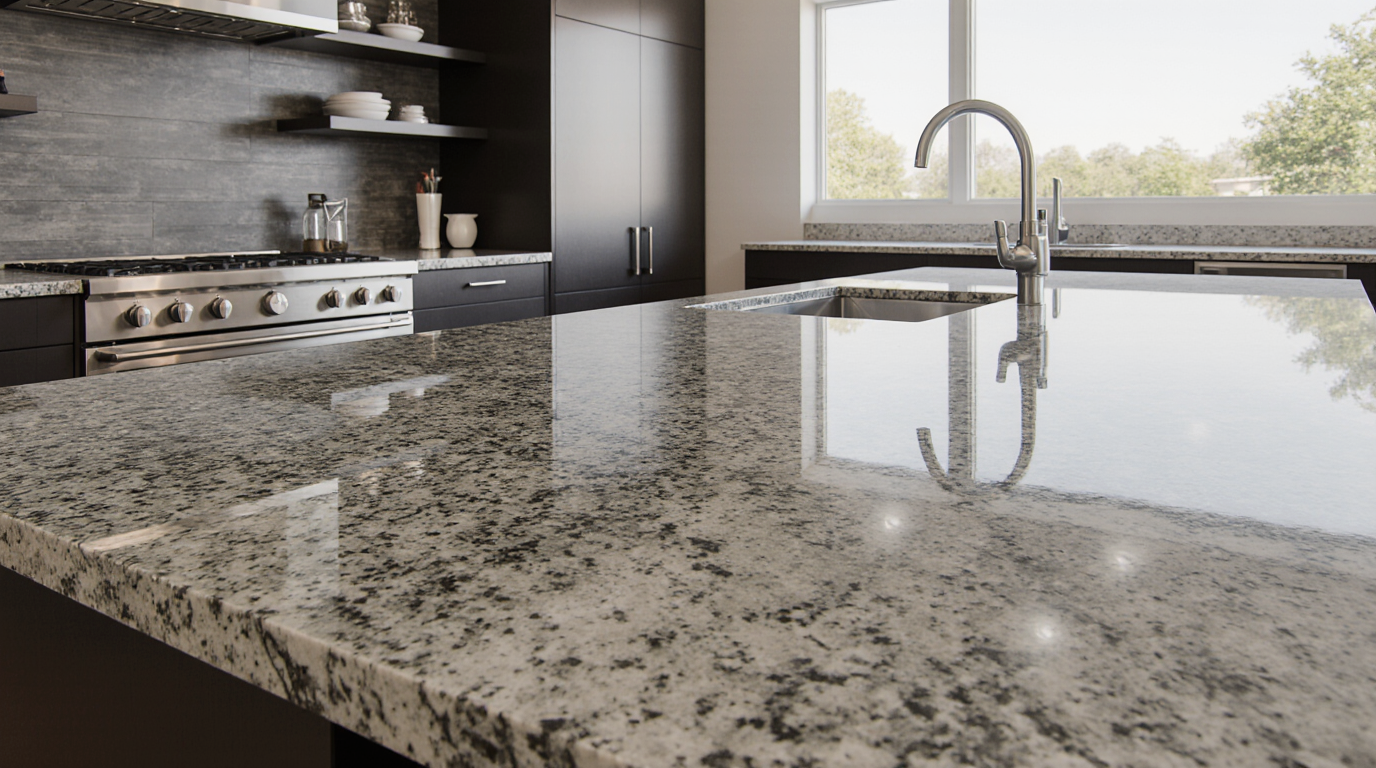
Granite is a durable, naturally occurring stone shaped over eons, and every countertop carries distinct patterns. Pricing typically ranges from affordable standard slabs to premium exotic materials exceeding hundreds per square foot. Selection of granite grade, slab thickness, and sourcing dramatically influence final price. For instance, Brazilian and Italian granites are often priced higher due to their superior quality and exotic appearance. The thickness of the slab also plays a role; standard countertops typically use a 2 cm or 3 cm thickness, with the latter offering increased durability but adding to the overall cost.
Another essential consideration is professional cutting and fitting. Properly installing granite involves careful cutting, edge work, and fixture integration. Expert fitment enhances aesthetics, prevents future damage, and preserves stone longevity. On average, installation can account for 30–50% of the total cost, emphasizing that high-quality craftsmanship is just as important as the stone itself. Neglecting professional installation can result in costly mistakes.
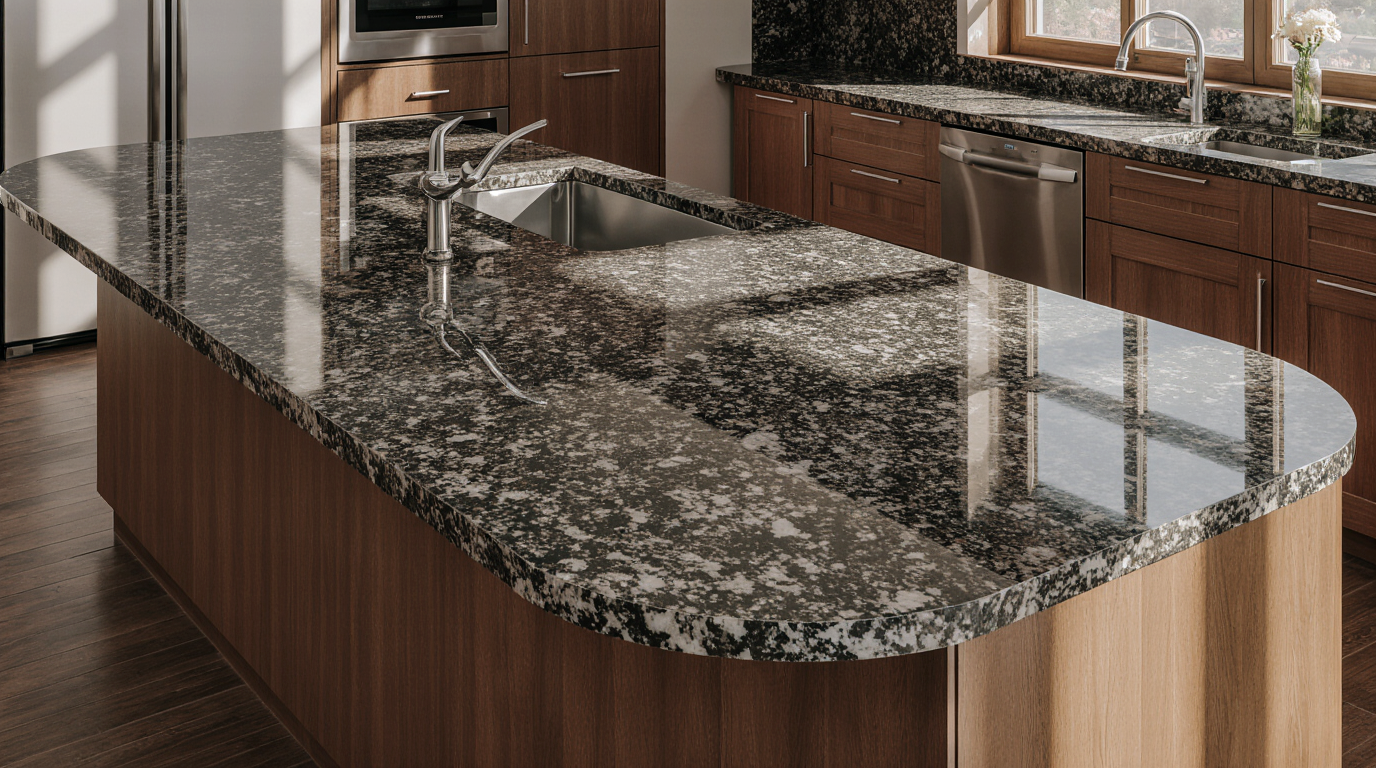
Personalized features affect total pricing. Homeowners can select from a variety of edge profiles, such as beveled, bullnose, or ogee, each requiring additional labor. Specialty cutouts and integrated features enhance design but raise installation costs. Surface treatment options add both beauty and minor cost variations. The beauty of granite lies in its ability to balance visual appeal with long-term durability, making these choices worthwhile investments for both style and practicality.
The size and shape of your kitchen will also determine the final cost of granite countertops. More intricate designs increase both fabrication and labor demands. Inefficient cutting of unique layouts adds to total material expenses. Allowing for excess material prevents project delays and ensures design fidelity. Accurate measurement and a professional layout plan are critical to avoiding costly mistakes and optimizing your stone usage.
Ongoing care is a factor in total investment. Sealing protects against wear and maintains polished finishes over years. Regular treatment prolongs lifespan and sustains luxury appeal. Minor upkeep costs are outweighed by long-term resilience and aesthetics.
Budget-conscious buyers can find high-quality granite alternatives. Using remnants or off-cuts is a smart strategy for savings. Local suppliers may offer discounts for in-stock inventory or for bulk purchases. Evaluating multiple sources balances quality and budget. Always verify quality to maintain value and longevity.
Local market conditions influence overall expenses. Metropolitan regions generally carry premium rates. Stone provenance significantly affects price due to logistics. Reliable suppliers deliver both craftsmanship and authentic stone. The right granite investment balances luxury, function, and future home equity.
Granite is a top choice for property appreciation. Buyers are drawn to granite for its timeless elegance and durability. Granite offers an excellent ROI through beauty, strength, and practicality. With careful planning, homeowners can achieve a high-end kitchen look without unnecessary overspending by understanding material choices, installation requirements, and maintenance needs.
In summary, the decision to install granite countertops combines aesthetic desires with practical considerations. Price is influenced by quality, customization, and installation intricacies. Awareness of influencing factors ensures wise investment. Investing in granite is not merely a cosmetic improvement; it is a statement of durability, elegance, and smart home design that resonates with both current enjoyment and long-term value.
Costs vary, yet informed choices guarantee satisfying outcomes. Every slab contributes to a sophisticated, long-lasting kitchen upgrade.