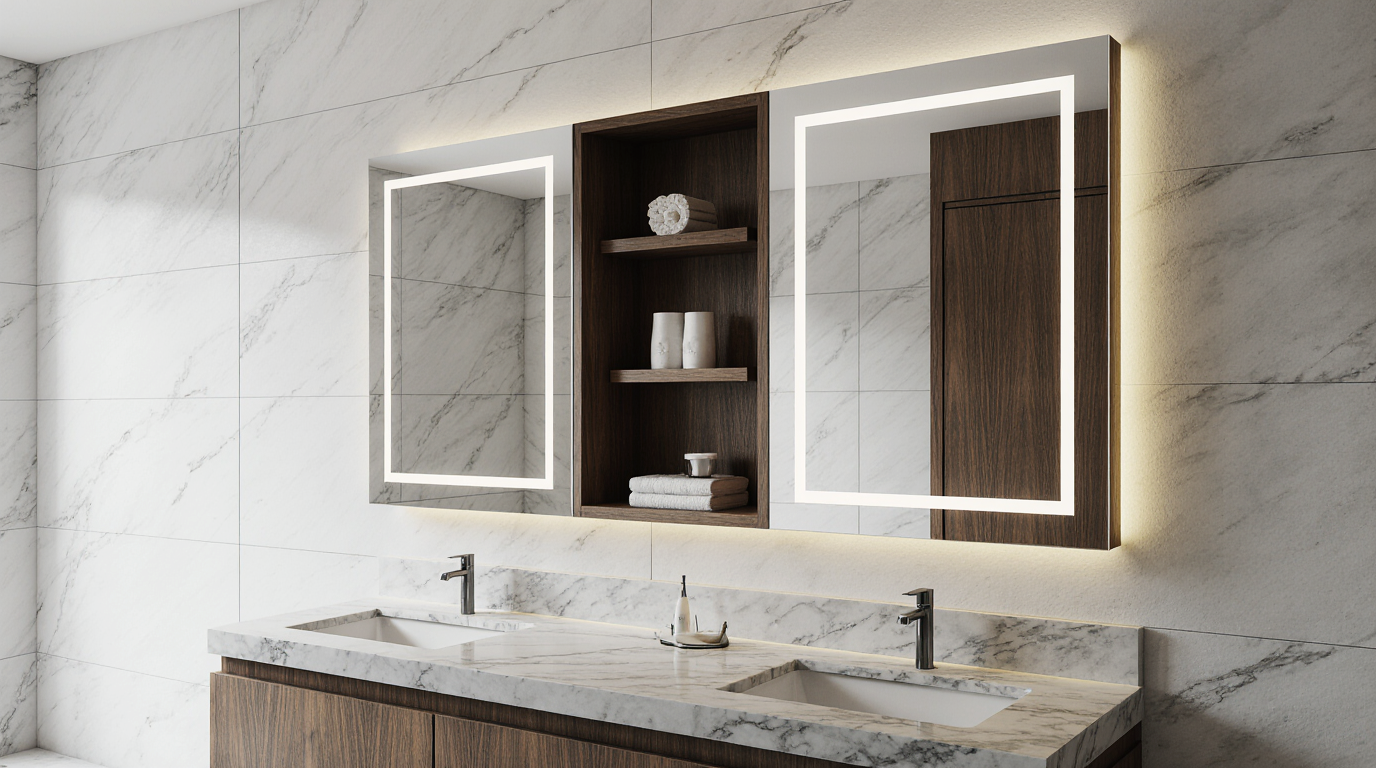
Understanding the Cost of Custom Bathroom Cabinets: What Influences Price and Quality
In the realm of custom bathroom cabinetry, homeowners frequently encounter a diverse spectrum of costs, finishes, and design options, understanding that the financial commitment extends past appearance, significantly influencing usability, long-term resilience, and renovation ROI. Grasping the real expense involves appreciating the level of artisanal skill, exacting design standards, and custom features that transform a bathroom into a bespoke environment. Unlike prefabricated options, custom cabinets are built to perfectly fit your layout, storage requirements, and style preferences with unparalleled attention to detail.
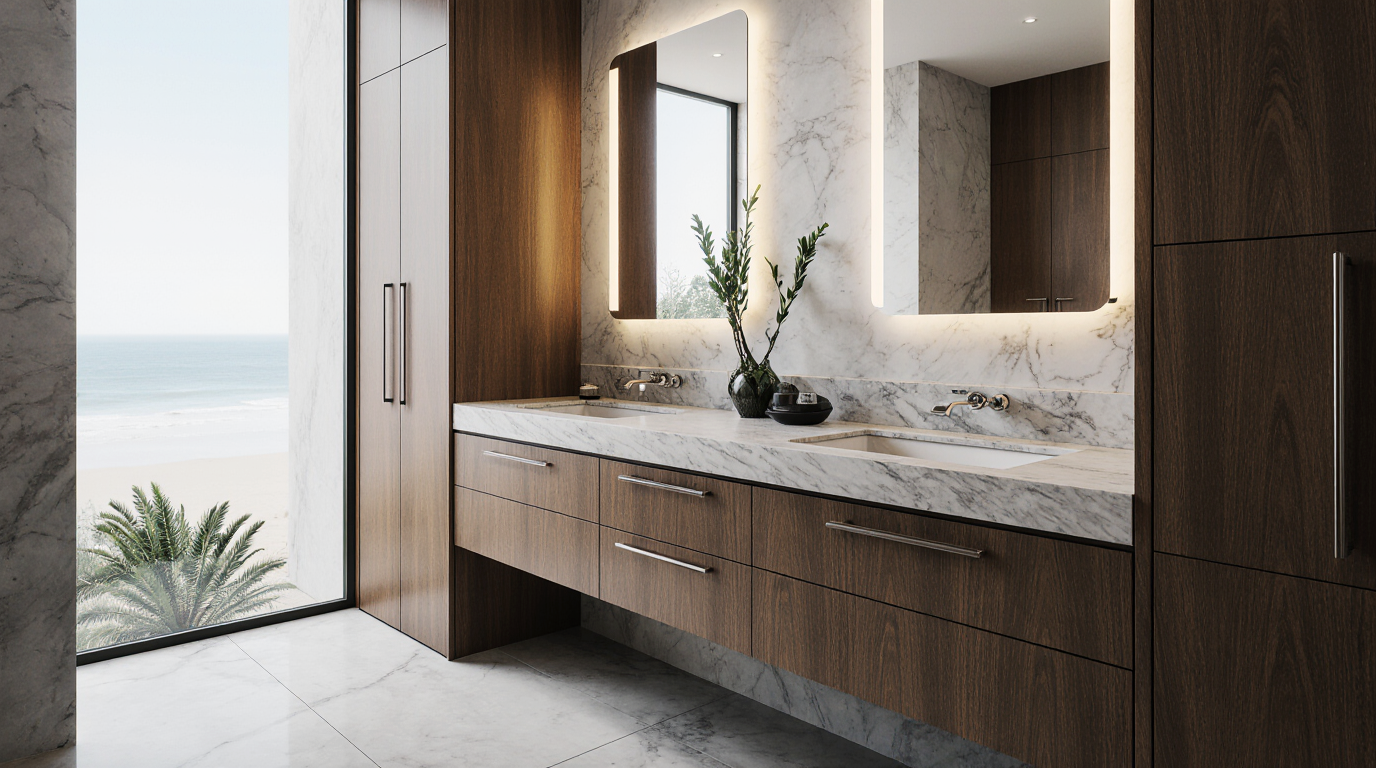
Among the foremost determinants of cabinet pricing is the choice of high-quality materials, opulent selections including maple, walnut, cherry, and solid hardwood drive costs higher, reflecting both lasting durability and refined elegance. More affordable alternatives like MDF or plywood provide flexible design solutions and a wide range of finishes that mimic natural wood grains. Selecting the right substrate affects price, durability, and resilience in high-humidity bathrooms, ensuring your cabinetry remains visually appealing and structurally sound.
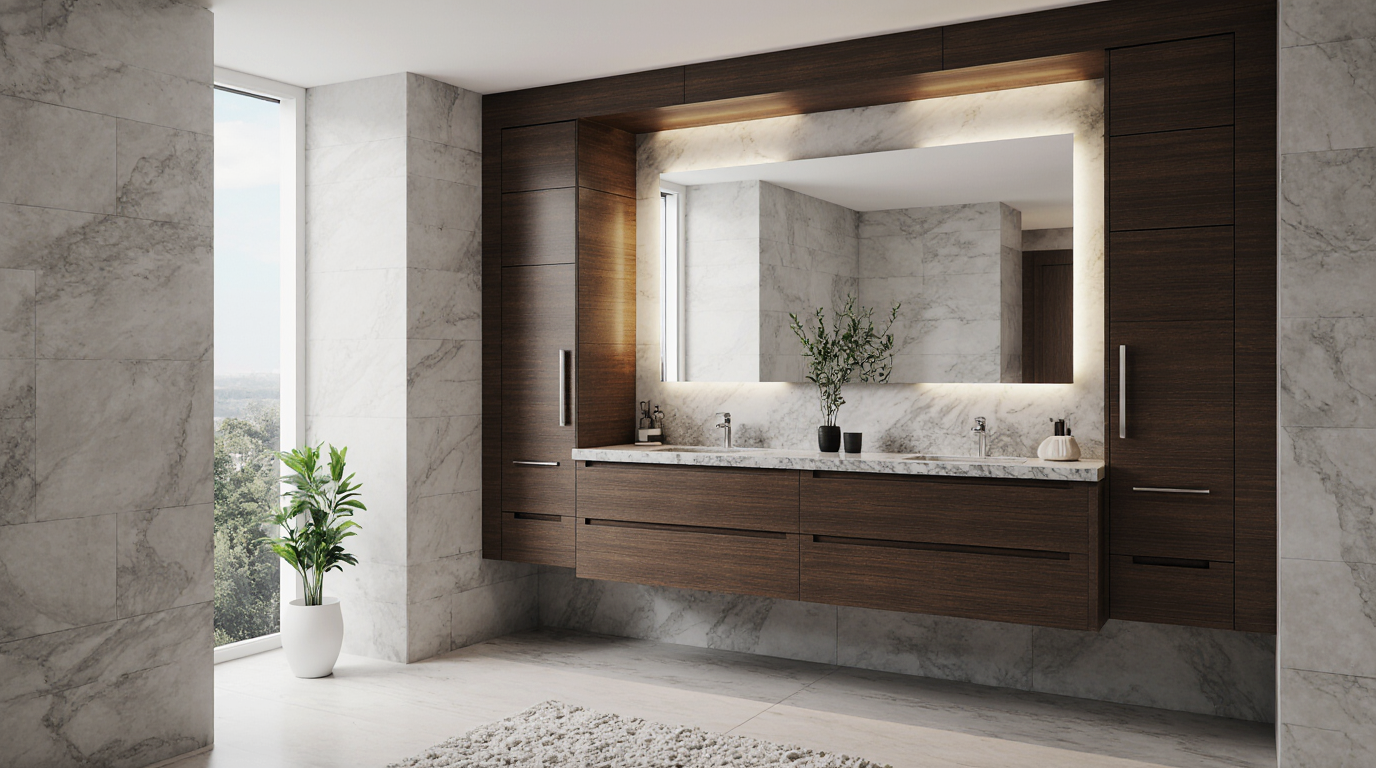
How extensively cabinets are tailored to specific needs heavily affects pricing, with fully custom cabinets designed from scratch according to exact specifications and capable of including built-in hampers, drawer organizers, under-sink pullouts, or integrated lighting. These design elements add both convenience and a polished, designer-quality finish. Semi-custom cabinets, on the other hand, offer moderate flexibility in sizing and finishes at lower cost but lack the meticulous attention to detail of fully bespoke designs. Full customization empowers homeowners to align every detail with their vision, ensuring the bathroom reflects their personal style and functional preferences.
Finishing options represent a pivotal factor in determining bespoke cabinetry costs, labor-intensive techniques like hand-staining or painting increase expense due to intricate workmanship and premium supplies. Lacquered surfaces provide a sleek modern appearance but necessitate expert application for flawless results. Enhanced coatings, bespoke hues, and protective finishes designed for wet conditions often drive the pricing higher. Premium finishing techniques contribute to enduring aesthetics and a sophisticated, spa-like environment.
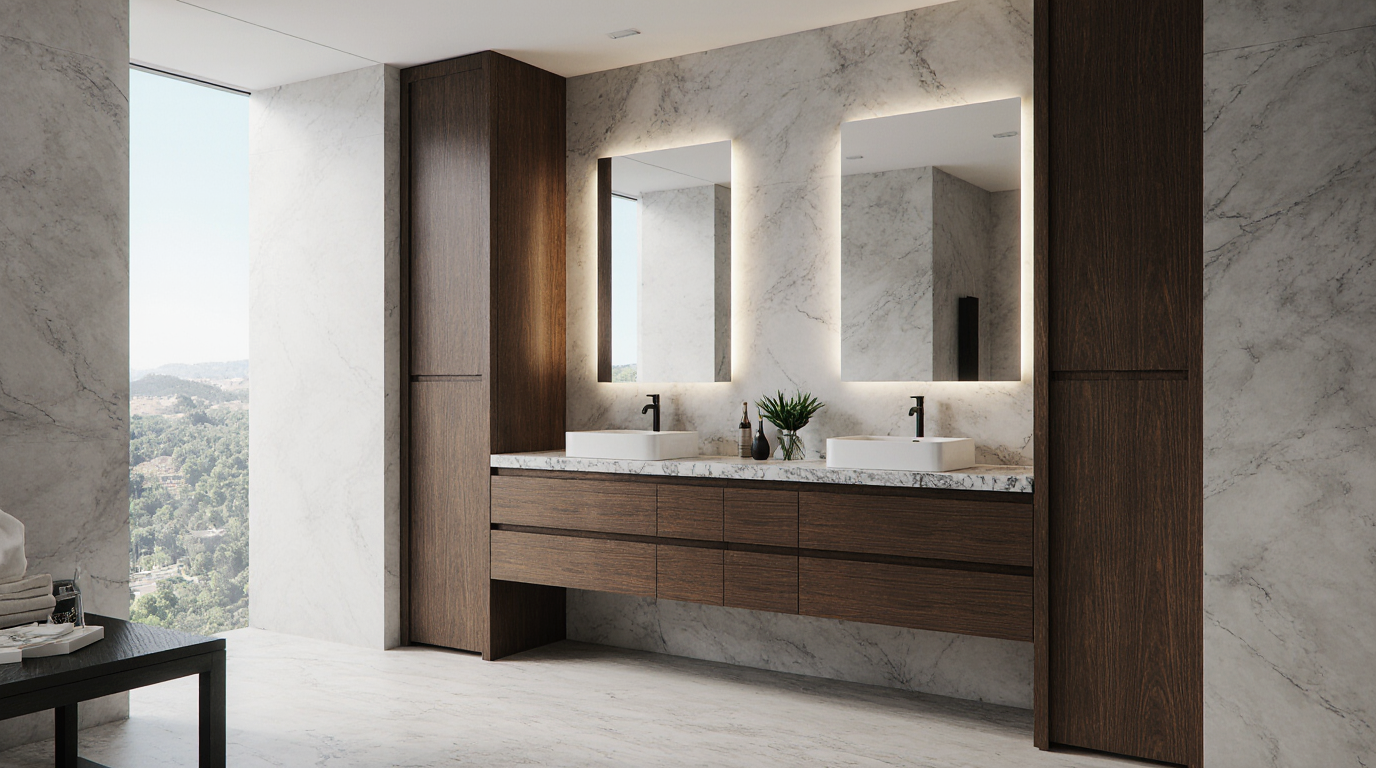
Design complexity directly influences the cost of custom bathroom cabinets, with elaborate features like curved edges, inset doors, and decorative moldings requiring greater craftsmanship and time. Simpler, streamlined cabinetry may reduce cost but still relies on exacting workmanship. Floating, built-in, or extensive cabinetry systems increase labor and material demands, influencing final pricing. For many homeowners, these enhancements justify the investment, converting functional spaces into luxurious, spa-inspired retreats.
Labor is another major cost factor for custom cabinetry, with professional artisans guaranteeing that each component aligns with precise quality benchmarks. The process involves meticulous planning, expert material handling, and flawless installation. Metropolitan regions often experience higher labor rates, while smaller locales may reduce costs. Investing in experienced craftsmen provides enduring beauty, precise finishes, and reliable functionality.
The scale of the bathroom and the amount of cabinetry required influence final investment, limited spaces call for essential cabinets, but expansive bathrooms involve numerous custom storage solutions. Adding units naturally elevates both production and installation costs. Larger bathrooms require careful collaboration between designers, plumbers, and electricians to ensure perfect fit around fixtures and utilities. Professional guidance in design and planning secures flawless execution and financial efficiency.
Urban density, regional labor rates, and project complexity all impact cabinetry investment, with metropolitan areas typically seeing higher labor rates and material markups. Projects requiring system modifications may increase total investment. Green materials and finishes may require specialized sourcing and treatments, increasing price but enhancing environmental impact.
Hardware selection is a subtle yet significant contributor to overall cost, top-tier knobs, soft-close drawers, and concealed tracks improve usability and longevity. Custom finishes, including matte black, brushed brass, or polished chrome, allow complete coordination with the bathroom’s design. Even minor investments in top-grade hardware yield substantial improvements in function and style.
Effective budgeting requires understanding typical price ranges. Location, intricate design, and artisanal skill all influence costs. Partnering with skilled designers produces stunning results while maintaining financial control.
Assessing the lasting benefits of bespoke cabinetry adds perspective, as they not only enhance aesthetics but can significantly improve resale value. Tailored cabinetry ensures maximal organization, comfort, and space utilization for practical benefits. Timeless designs and durable materials ensure that investments provide value for decades.
Fully grasping the expense of bespoke cabinets entails understanding the determinants of price, quality, and usability, spanning materials, finishing techniques, intricate designs, and expert labor. Although cheaper alternatives exist, tailored cabinetry turns conventional bathrooms into exclusive, customized havens. Those prioritizing both practicality and design excellence find that custom cabinetry delivers unmatched long-term value.