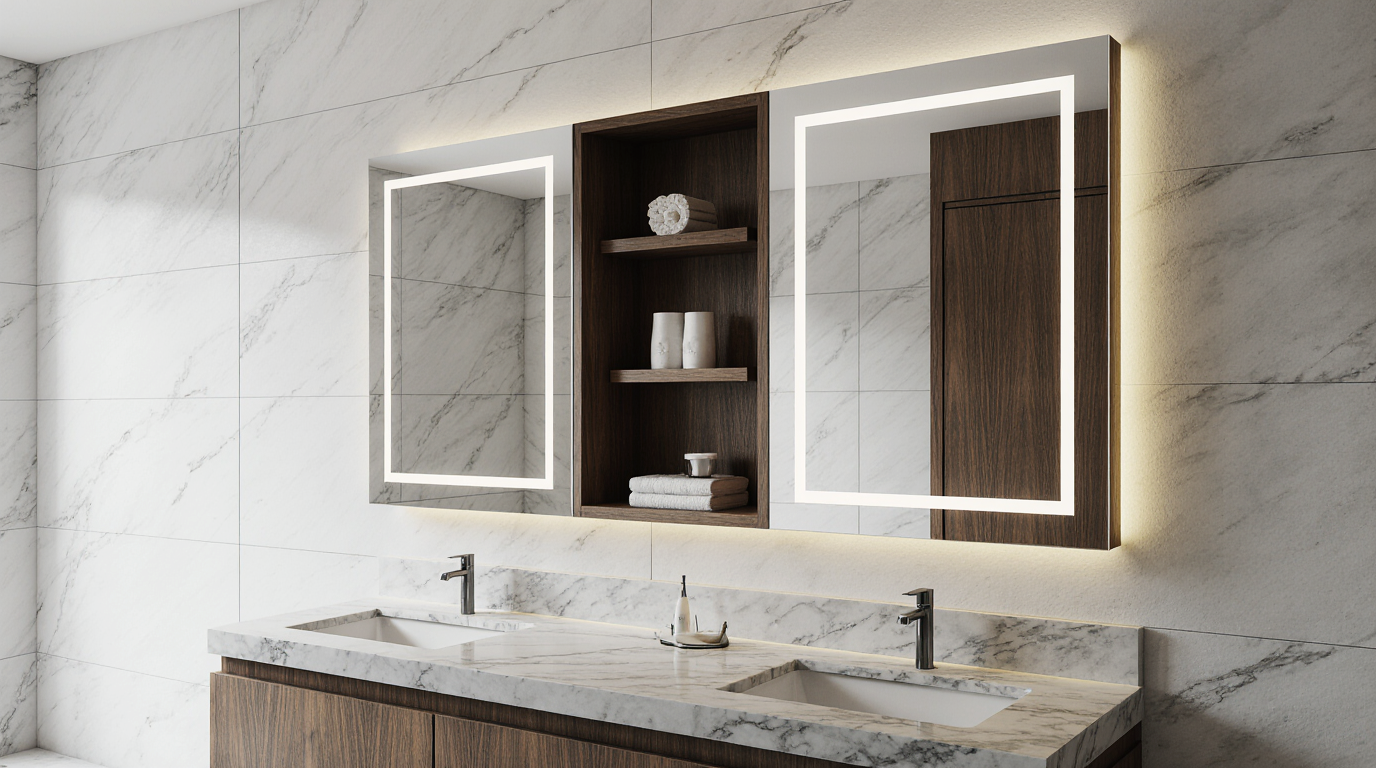
Exploring Custom Bathroom Cabinet Costs: Key Determinants of Price and Excellence
When it comes to custom bathroom cabinets, homeowners often find themselves navigating a wide range of price points, materials, and design possibilities, aware that investing in custom cabinetry affects not only style but also structural longevity, practical use, and the holistic worth of the renovated space. Grasping the real expense involves appreciating the level of artisanal skill, exacting design standards, and custom features that transform a bathroom into a bespoke environment. Unlike prefabricated options, custom cabinets are built to perfectly fit your layout, storage requirements, and style preferences with unparalleled attention to detail.
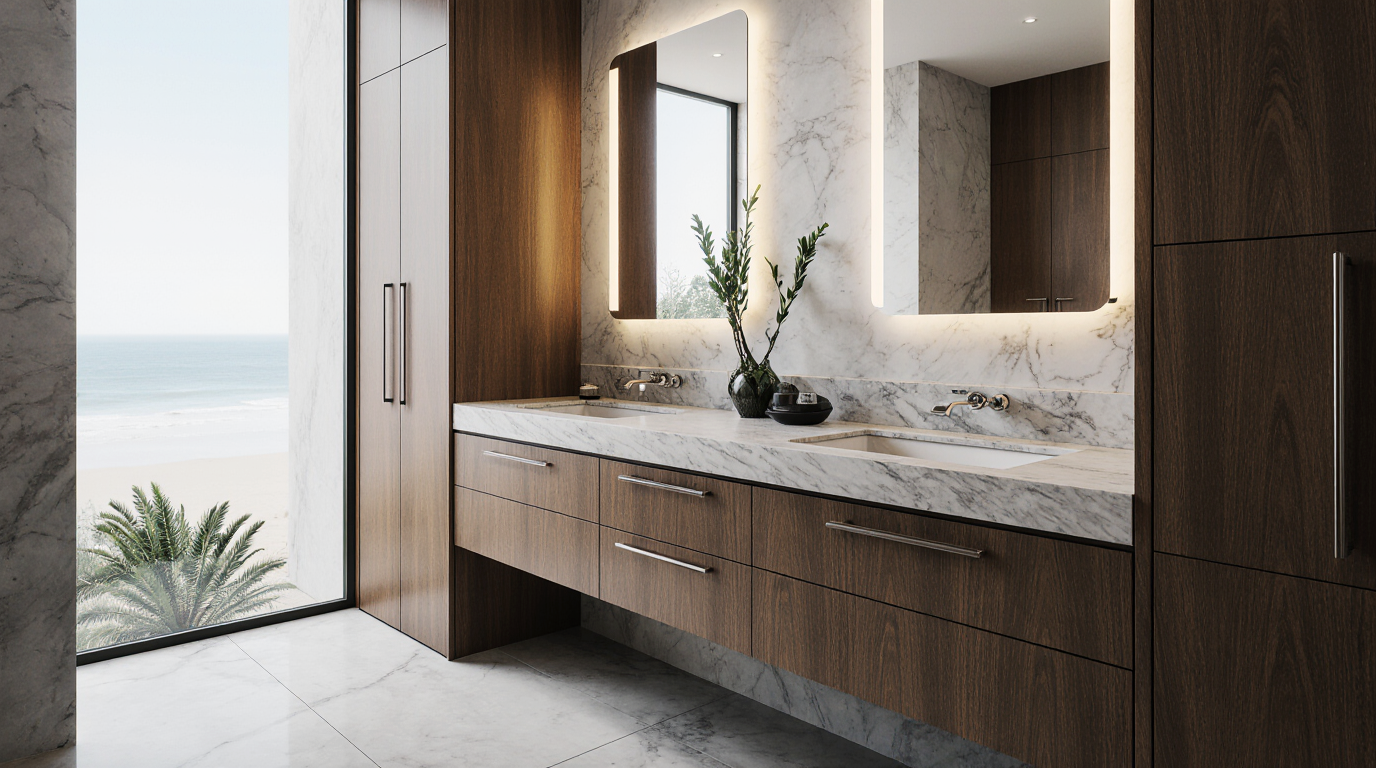
One of the most critical factors influencing the price of custom bathroom cabinets is the selection of material, opulent selections including maple, walnut, cherry, and solid hardwood drive costs higher, reflecting both lasting durability and refined elegance. Lower-cost options such as plywood or MDF allow for adaptable layouts and simulated wood textures without sacrificing style entirely. The choice of materials dictates both pricing and longevity, particularly in damp spaces where moisture-resistant compositions preserve both form and function.
The degree of customization is another substantial contributor to the total cost of custom bathroom cabinets, fully bespoke solutions crafted to exact measurements can feature tailored storage, integrated lighting, and unique functional additions like pullouts or hampers. Such enhancements provide unmatched practicality while delivering a sophisticated, high-end aesthetic. Semi-custom cabinets, on the other hand, offer moderate flexibility in sizing and finishes at lower cost but lack the meticulous attention to detail of fully bespoke designs. Opting for complete customization grants complete creative control, guaranteeing that every cabinet element harmonizes with the overall design intention.
Finishing options represent a pivotal factor in determining bespoke cabinetry costs, labor-intensive techniques like hand-staining or painting increase expense due to intricate workmanship and premium supplies. High-gloss lacquer finishes offer contemporary elegance but require masterful execution to achieve perfection. Specialized finishes such as custom color matching, distressing, or moisture-protective coatings can further increase investment. Premium finishing techniques contribute to enduring aesthetics and a sophisticated, spa-like environment.
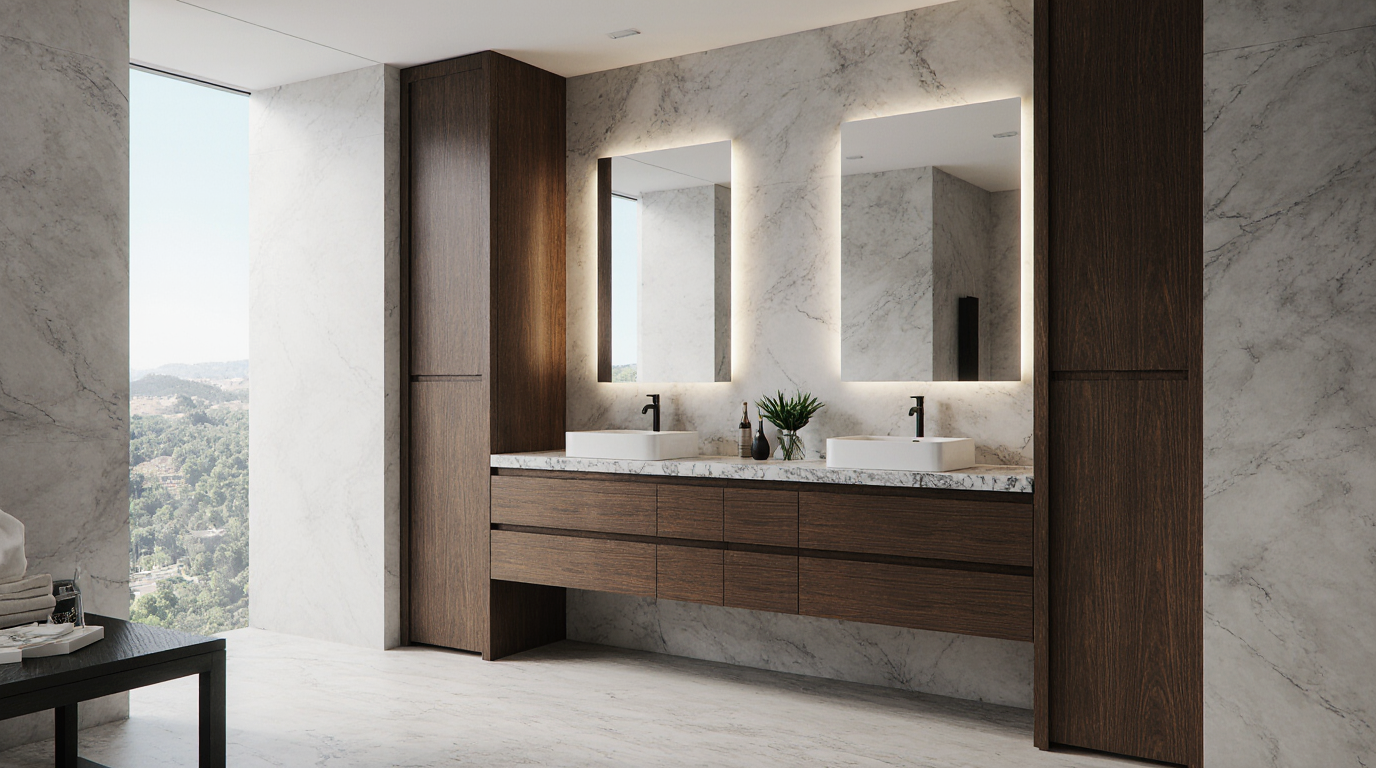
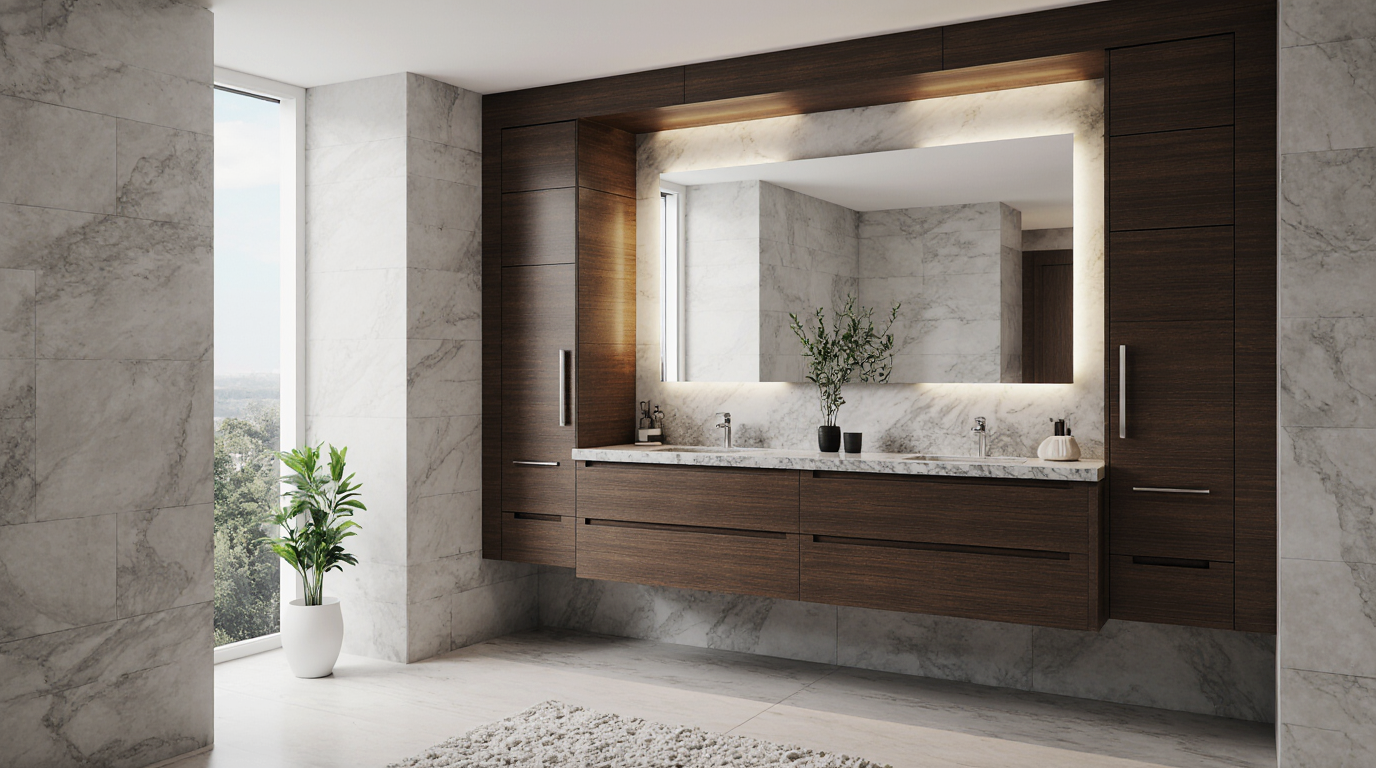
The intricacy of cabinetry design plays a substantial role in pricing, intricate detailing, including ornamental moldings, inset panels, and curved profiles, demands specialized labor and higher costs. Minimalist designs, although generally less expensive, still require precision to achieve seamless results. Advanced custom elements such as floating vanities, integrated mirrors, and wall-to-wall cabinetry can further raise costs due to specialized installation and structural support needs. Such design upgrades deliver remarkable value, elevating everyday functionality to sophisticated, indulgent experiences.
The expertise of artisans significantly impacts pricing for bespoke cabinets, because expert labor guarantees flawless execution and enduring cabinet performance. The process involves meticulous planning, expert material handling, and flawless installation. City projects usually involve premium labor fees compared with lower-cost rural or suburban options. Investing in experienced craftsmen provides enduring beauty, precise finishes, and reliable functionality.
Room dimensions and the number of cabinets play a significant role in pricing, with small guest bathrooms needing minimal cabinetry while master bathrooms may require multiple vanities, storage towers, and makeup stations. More cabinetry translates to higher costs in materials, labor, and coordination. In extensive renovations, detailed collaboration ensures cabinetry accommodates plumbing, lighting, and ventilation systems efficiently. Engaging an experienced designer during planning minimizes errors, ensures cohesive design, and optimizes budget.
Urban density, regional labor rates, and project complexity all impact cabinetry investment, cities with elevated costs of living usually reflect higher project pricing. Projects requiring system modifications may increase total investment. Eco-friendly or sustainable options such as bamboo, reclaimed wood, or low-VOC finishes slightly raise costs but provide long-term benefits.
Choosing high-quality hardware can noticeably influence total investment, top-tier knobs, soft-close drawers, and concealed tracks improve usability and longevity. Bespoke hardware options provide tailored elegance, integrating seamlessly with design schemes. Even minor investments in top-grade hardware yield substantial improvements in function and style.
Effective budgeting requires understanding typical price ranges. Regional variation, design complexity, and craftsmanship level affect these estimates. Working closely with experienced professionals guarantees optimized aesthetics and budget adherence.
Assessing the lasting benefits of bespoke cabinetry adds perspective, in addition to design impact, they elevate home marketability and investment return. Custom cabinets optimize organization, ergonomics, and space efficiency, improving everyday functionality. Timeless designs and durable materials ensure that investments provide value for decades.
In the end, cost comprehension requires recognizing factors influencing both expenditure and functionality, from material choice and finishes to design intricacy and craftsmanship. Although cheaper alternatives exist, tailored cabinetry turns conventional bathrooms into exclusive, customized havens. Those prioritizing both practicality and design excellence find that custom cabinetry delivers unmatched long-term value.