Cost of Granite Countertops: What Homeowners Need to Know
When considering a kitchen or bathroom remodel, the cost of granite countertops is one of the most important factors to evaluate, as granite has long been celebrated for its durability, natural beauty, and timeless appeal, establishing it as a favored selection for homeowners prioritizing quality and sophistication. Granite costs fluctuate based on material grade, hue, slab dimensions, and the intricacy of installation. Comprehending these considerations ensures an informed, budget-conscious remodeling process.
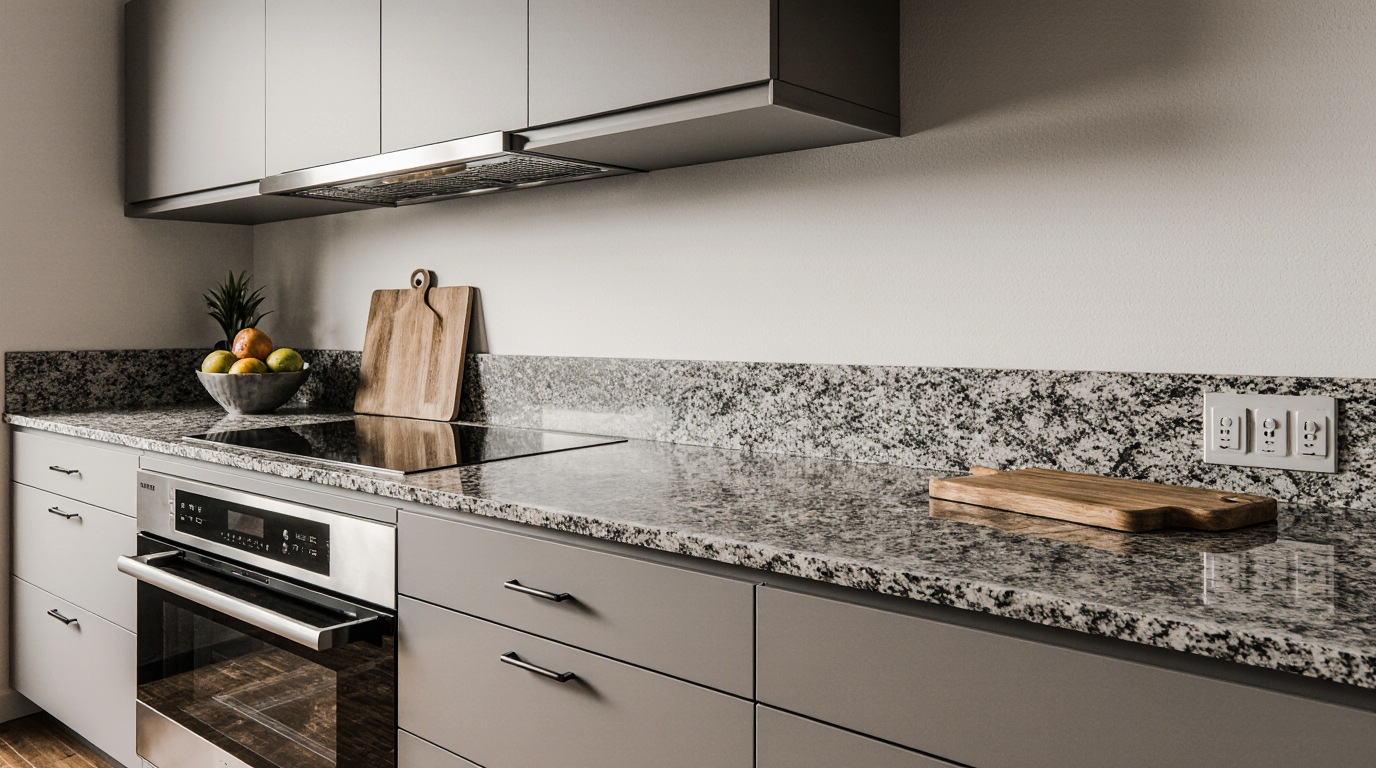
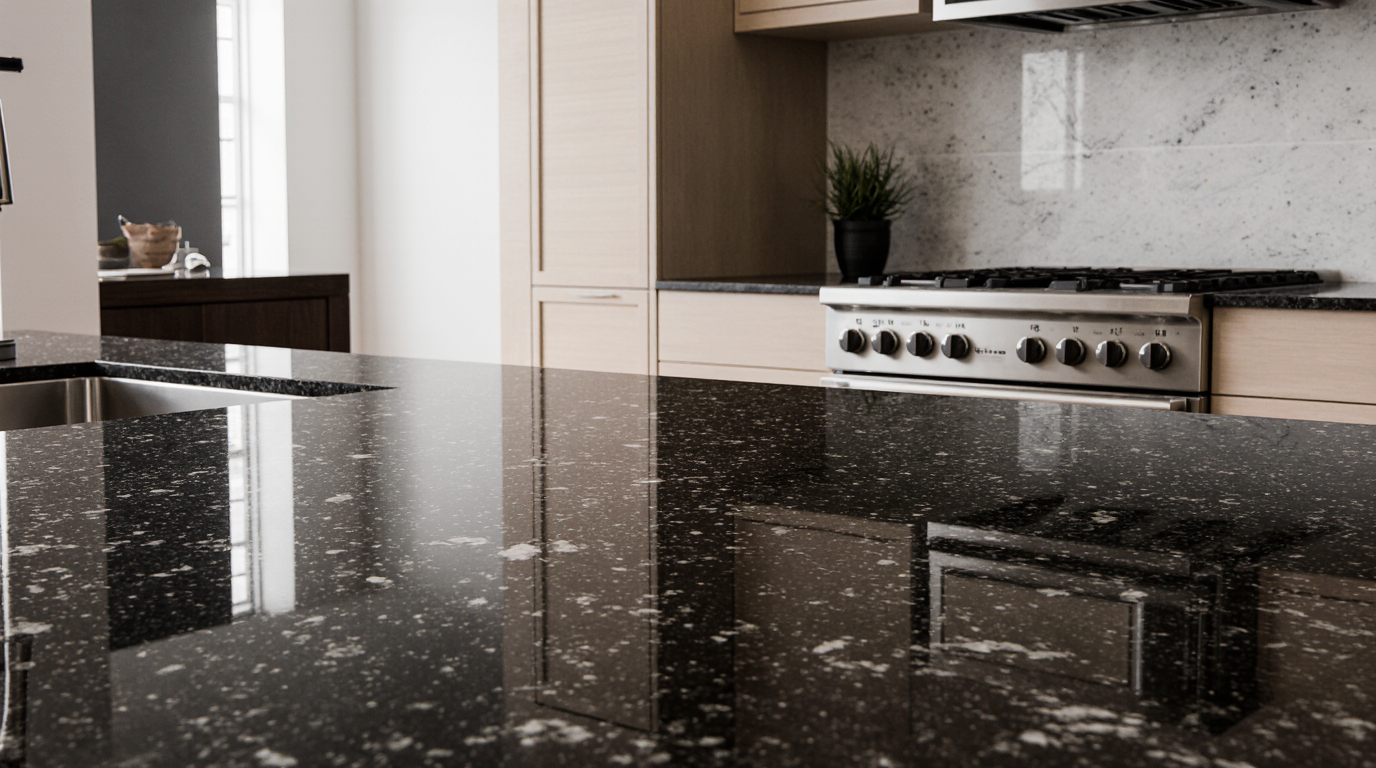
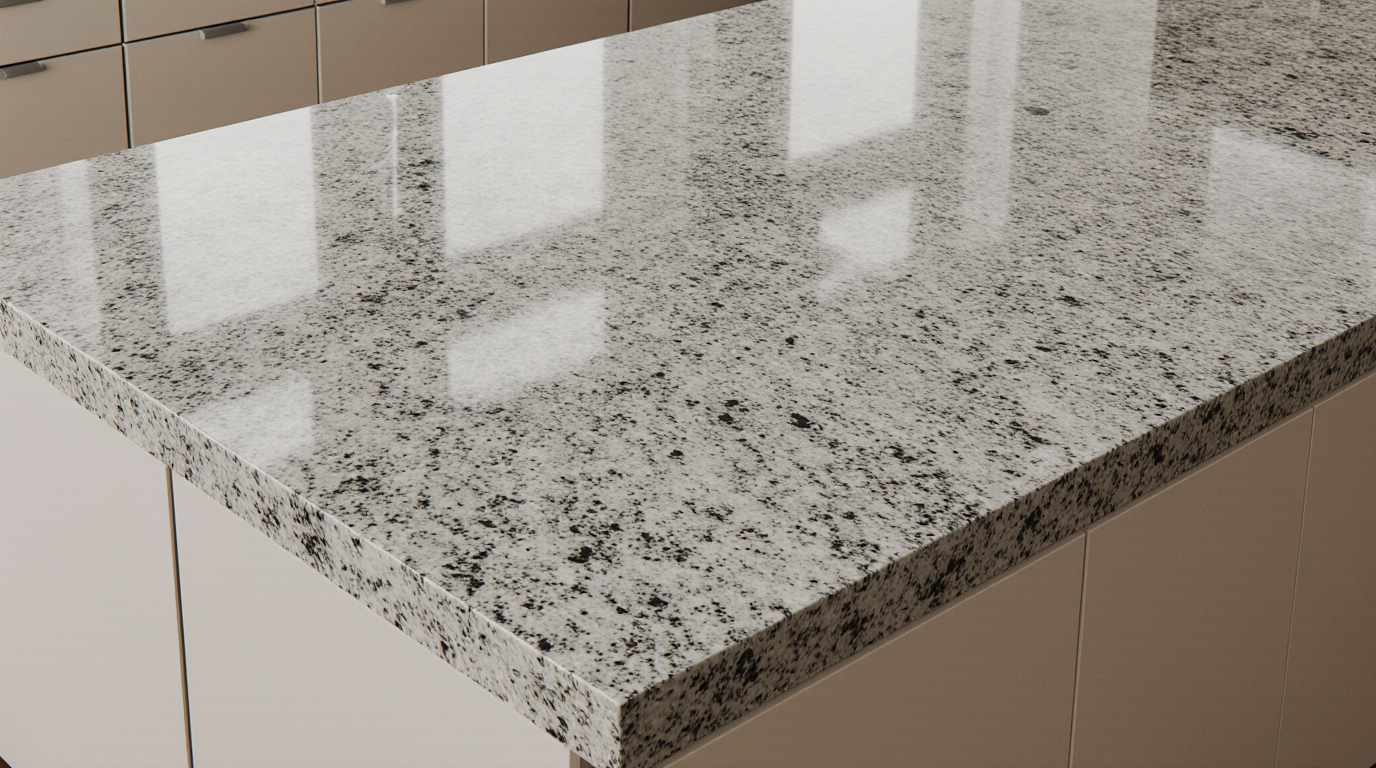
Granite countertops are available in a wide range of colors and patterns, each with a unique level of rarity and appeal. Common hues such as gray, white, and black are generally less costly, but exotic patterns or vibrant stones can escalate prices dramatically. The slab thickness is another critical factor, as thicker cuts enhance longevity but elevate expenses. Finding the perfect granite slab entails balancing beauty, usability, and cost efficiency.
Beyond the cost of raw materials, professional fabrication and expert installation substantially affect total pricing. Professional fabricators cut the slabs to precise dimensions, polish the edges, and ensure the surface is perfectly level and smooth. Installation requires skilled labor to handle heavy granite slabs safely and fit them seamlessly into your kitchen or bathroom layout. Complex designs, sink integrations, and specialty edges increase labor and material charges. Partnering with experienced installers results in perfect alignment, polished surfaces, and long-term reliability.
Granite’s exceptional resilience is a primary motivator for its investment. Properly sealed granite withstands heat, abrasions, and staining, suitable for kitchens and bathrooms. Its longevity reduces long-term costs versus surfaces needing frequent upkeep. Periodic sealing preserves both aesthetic appeal and structural integrity.
Geographical factors significantly impact granite pricing. Availability of local quarries and delivery logistics contribute to cost variations. Some areas offer access to nearby quarries, which can reduce material costs, while remote locations might incur higher prices due to shipping and handling. Working with local suppliers often allows homeowners to view slabs in person, select the most desirable patterns, and receive personalized guidance on choosing the perfect granite for their space.
The finish selected can significantly alter granite pricing. Polished granite offers a shiny, reflective look that highlights the stone’s natural patterns, while honed finishes create a softer, matte appearance that is more subtle. Textured or leathered finishes enhance tactile appeal yet raise production complexity. Finish selection is a strategic decision combining design vision with practical usability.
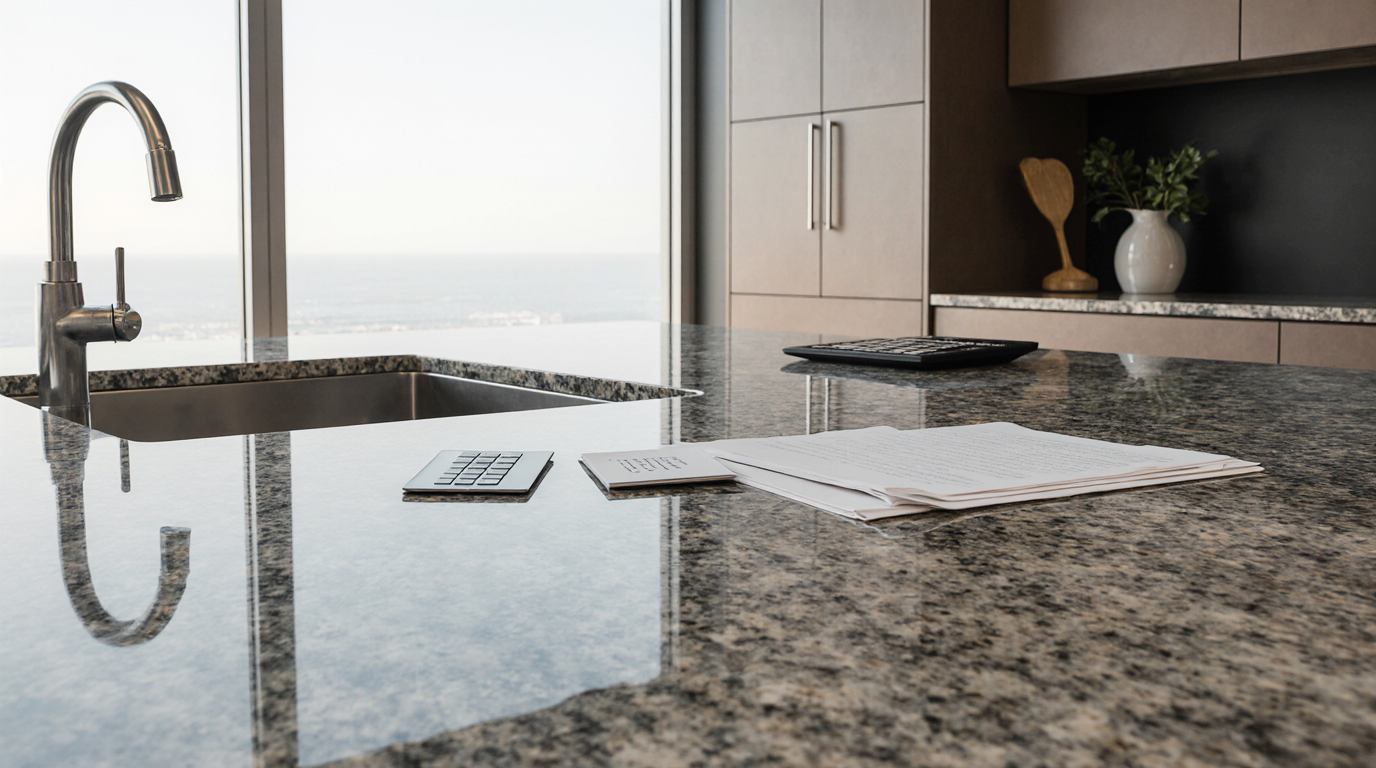
Larger surface areas naturally drive higher material and labor expenses. Expansive layouts need multiple slabs and intensive installation efforts. Compact spaces reduce slab needs and labor charges. Homeowners should obtain detailed measurements and work closely with fabricators to ensure that estimates are accurate and reflect all aspects of the project, including cutouts for sinks, faucets, and other fixtures.
Specialized design elements including waterfall edges, integrated sinks, and decorative backsplashes add both style and cost. While boosting visual appeal and home value, these features necessitate expert handling and extra time. Discussing these options with a skilled contractor helps homeowners weigh the visual impact against the potential cost increase, ensuring a design that is both beautiful and practical.
Granite surfaces contribute to property appreciation. Properties with high-quality granite surfaces are often more attractive to potential buyers, offering a combination of luxury and functionality that enhances resale potential. Despite higher upfront costs, granite’s lasting beauty, resilience, and investment value typically outweigh cheaper alternatives.
Additional expenses like shipping, removal of old countertops, and cabinet adjustments should be considered. Unexpected issues may arise during installation, and having a contingency budget ensures that the project proceeds smoothly without financial stress. Working with experienced suppliers and installers minimizes surprises and ensures that every aspect of the countertop installation meets professional standards.
Multiple factors including granite grade, custom fabrication, installation effort, and local market dynamics converge to determine the final price. Homeowners who take the time to research options, compare suppliers, and engage skilled professionals can achieve stunning results that enhance the beauty, functionality, and value of their home. Choosing granite is not just a design decision—it’s a long-term investment in quality, durability, and timeless elegance that transforms any space into a showcase of sophistication.