Cost of Granite Countertops: What Homeowners Need to Know
When considering a kitchen or bathroom remodel, the cost of granite countertops is one of the most important factors to evaluate, as granite has long been celebrated for its durability, natural beauty, and timeless appeal, establishing it as a favored selection for homeowners prioritizing quality and sophistication. The price of granite can vary widely depending on factors such as quality, color, slab size, and installation complexity. Comprehending these considerations ensures an informed, budget-conscious remodeling process.
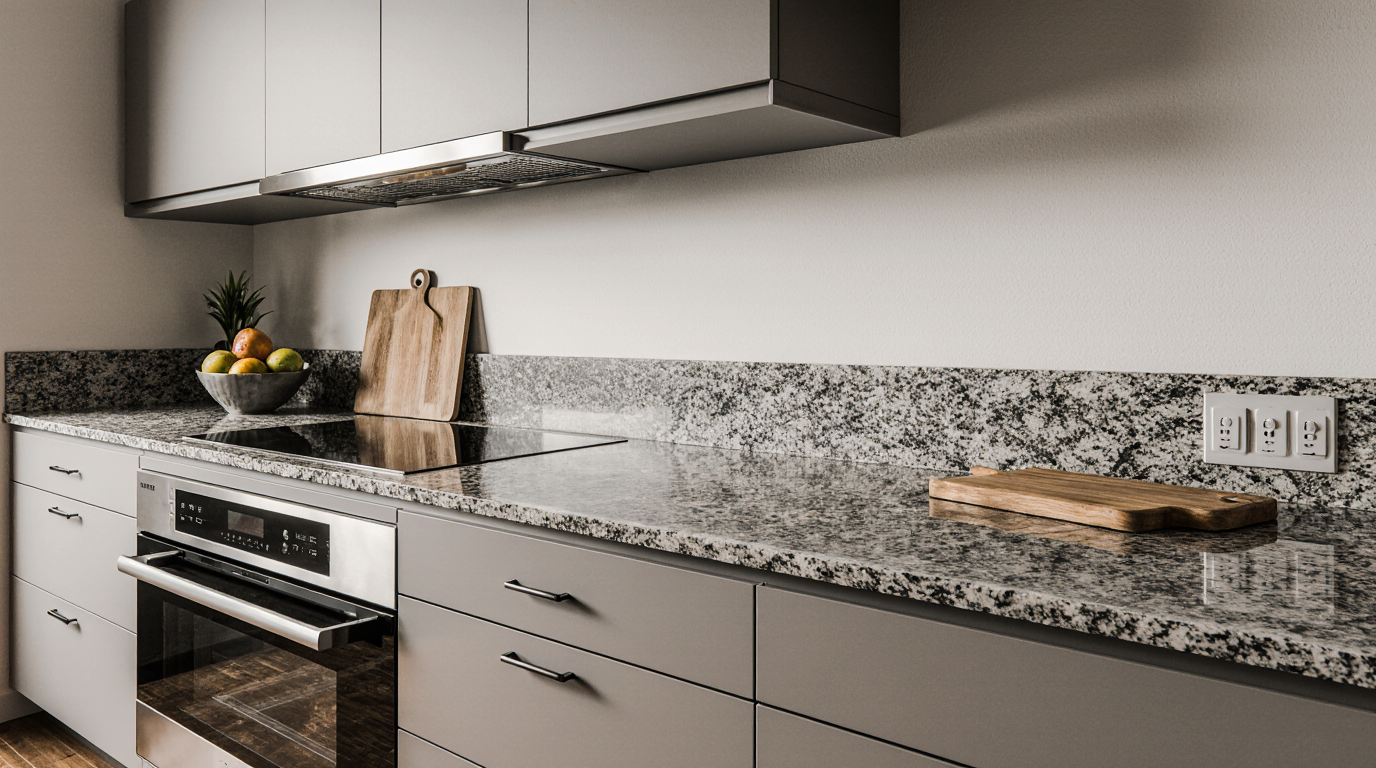
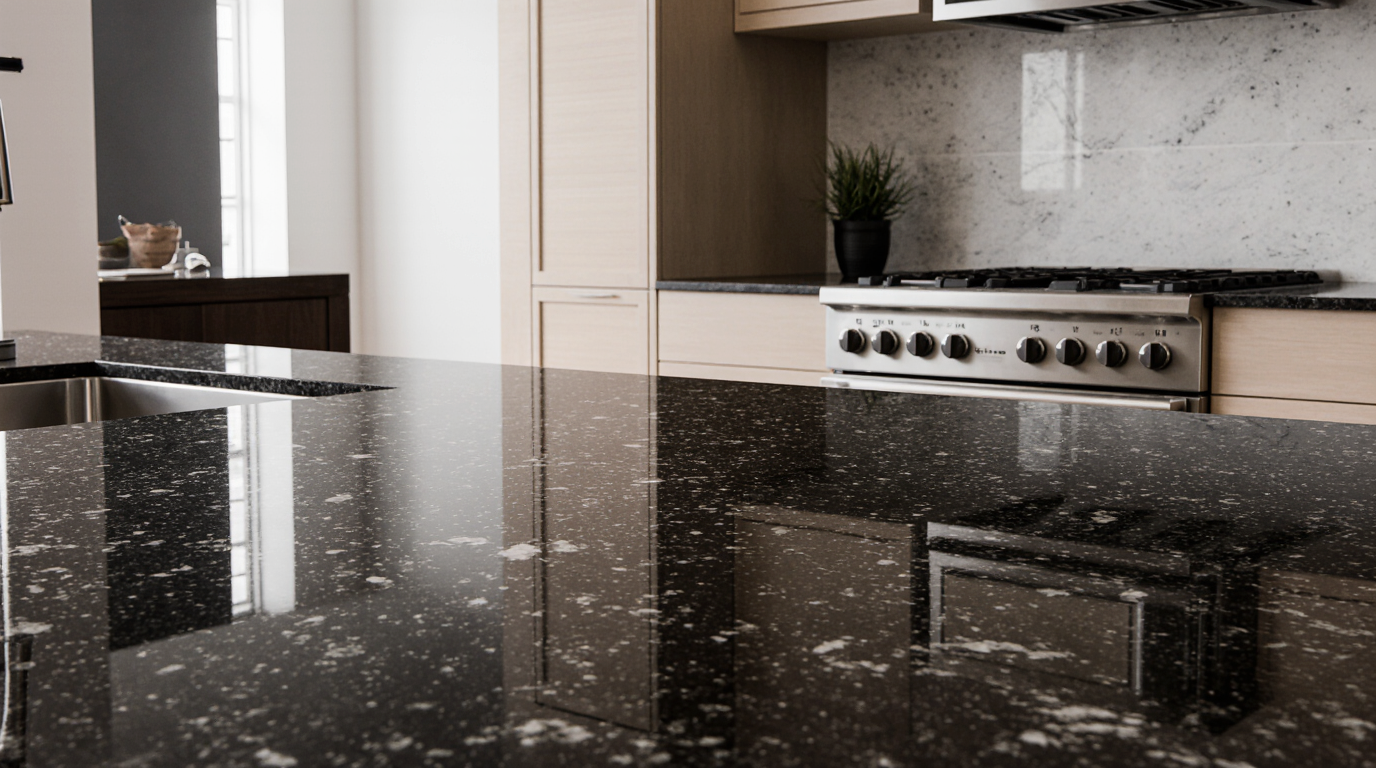
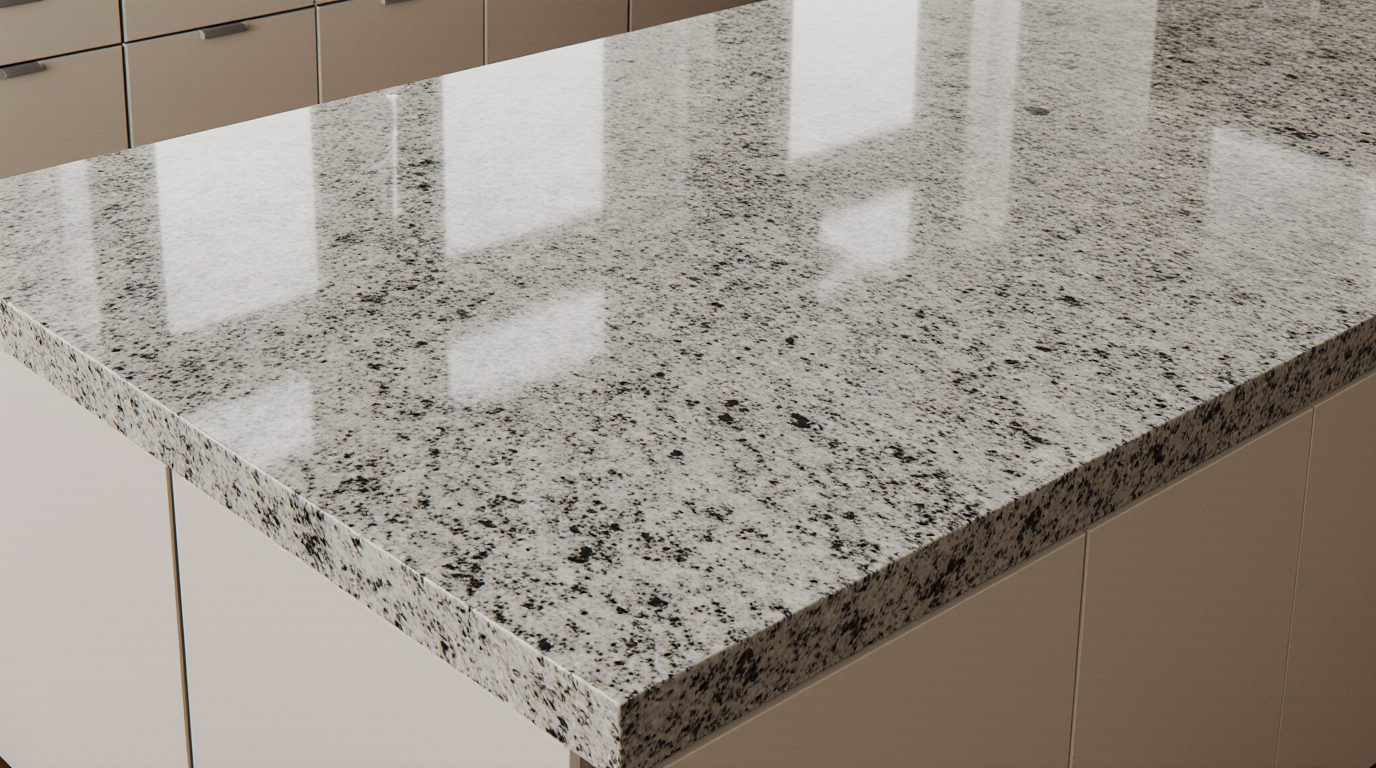
Granite slabs come in diverse shades and intricate patterns, each offering distinct exclusivity and aesthetic allure. Classic shades such as black, white, and gray tend to be more affordable, while exotic tones with intricate veining or vibrant hues can cost significantly more. The slab thickness is another critical factor, as thicker cuts enhance longevity but elevate expenses. Selecting the right slab for your project is a balance between aesthetics, functionality, and budget.
Fabrication and installation are major determinants of the overall expense, complementing the material costs. Professional fabricators cut the slabs to precise dimensions, polish the edges, and ensure the surface is perfectly level and smooth. Installing granite demands expertise to maneuver heavy slabs and integrate them flawlessly into the space. Customized edges, sink cutouts, and unique shapes add layers of complexity and expense. Partnering with experienced installers results in perfect alignment, polished surfaces, and long-term reliability.
Granite’s exceptional resilience is a primary motivator for its investment. Sealed granite offers superior protection against heat, scratches, and spills, making it ideal for busy households. Durable granite minimizes replacement expenses, providing economic benefits over time. Routine sealing is crucial for safeguarding granite from wear and tear.
Location also influences the cost of granite countertops. Prices may vary depending on local suppliers, transportation fees, and regional demand for premium materials. Regions near quarries benefit from lower costs, while remote areas pay more for transport and handling. Engaging nearby fabricators enables hands-on inspection, tailored recommendations, and reduced lead times.
The finish selected can significantly alter granite pricing. Glossy finishes intensify color and veining, whereas honed surfaces offer understated elegance. Some homeowners prefer leathered or textured finishes, which add visual interest but may increase fabrication costs. Finish selection is a strategic decision combining design vision with practical usability.
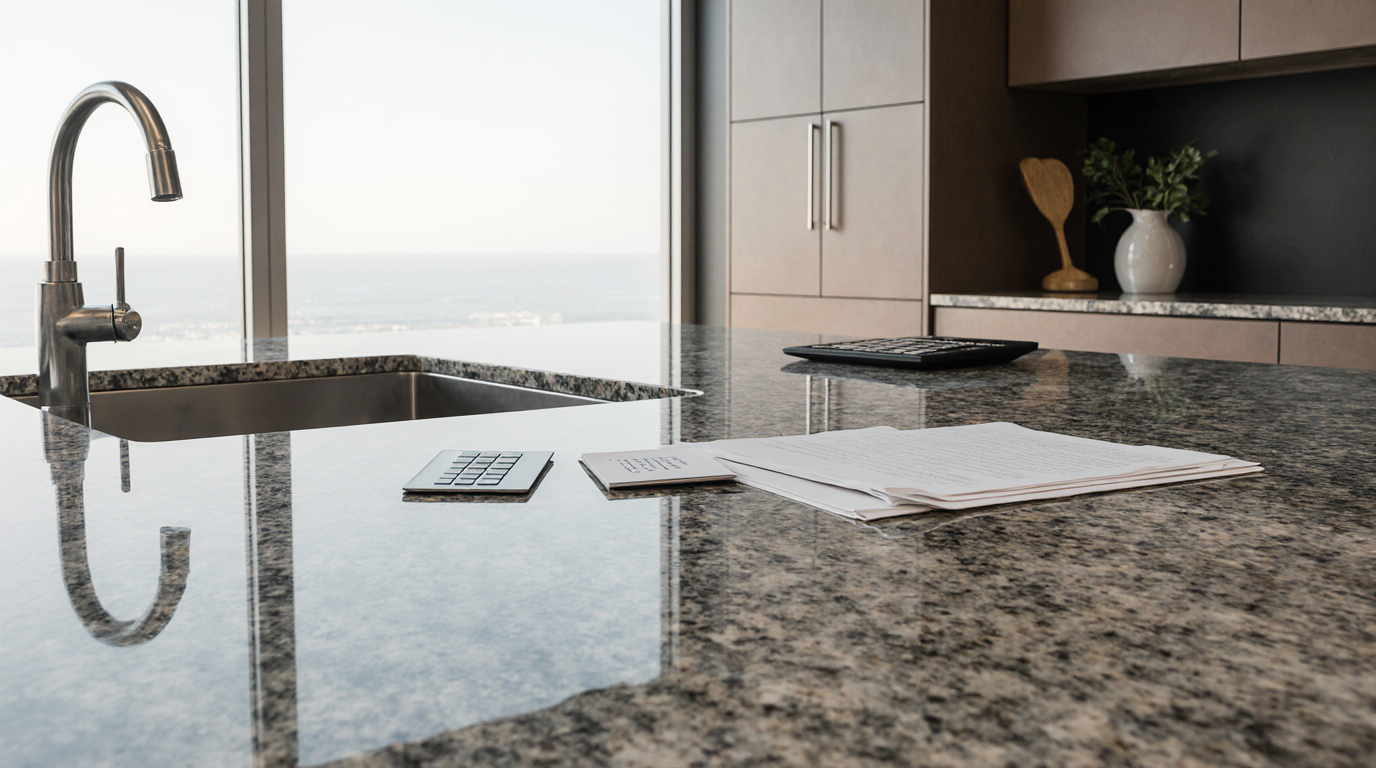
Countertop dimensions are a critical determinant of costs. Expansive layouts need multiple slabs and intensive installation efforts. Smaller installations offer cost efficiency with fewer resources required. Homeowners should obtain detailed measurements and work closely with fabricators to ensure that estimates are accurate and reflect all aspects of the project, including cutouts for sinks, faucets, and other fixtures.
Add-ons like backsplashes, built-in sinks, and waterfall designs enhance aesthetics but raise expenses. While boosting visual appeal and home value, these features necessitate expert handling and extra time. Collaborating with professionals allows homeowners to balance aesthetics, cost, and practicality.
Granite surfaces contribute to property appreciation. Granite-equipped homes appeal to buyers seeking elegance and durability, raising marketability. Despite higher upfront costs, granite’s lasting beauty, resilience, and investment value typically outweigh cheaper alternatives.
Unexpected costs including transport, waste handling, and small cabinet alterations can impact the final budget. Allocating extra funds for unforeseen challenges safeguards against installation delays or overspending. Seasoned professionals reduce risk and guarantee adherence to high-quality workmanship.
Granite pricing results from a mixture of slab grade, labor, design intricacies, and regional factors. Careful planning, supplier evaluation, and professional engagement deliver durable, elegant, and high-value granite installations. Selecting granite combines elegance, functionality, and long-term home enhancement, turning ordinary spaces into remarkable showcases.