Cost of Marble Countertops: Factors, Quality, and Investment Insights
For homeowners planning kitchen or bathroom upgrades, marble countertops represent a statement of refined sophistication and enduring beauty. Costs for marble countertops are determined by numerous elements, including the quality of the marble, source of the slab, slab thickness, and the sophistication required for installation. Marble’s distinctive veining and natural elegance create a one-of-a-kind surface, positioning it above conventional countertop materials for those seeking style and longevity. Selecting marble demonstrates an investment in craftsmanship, timeless style, and enduring property value.
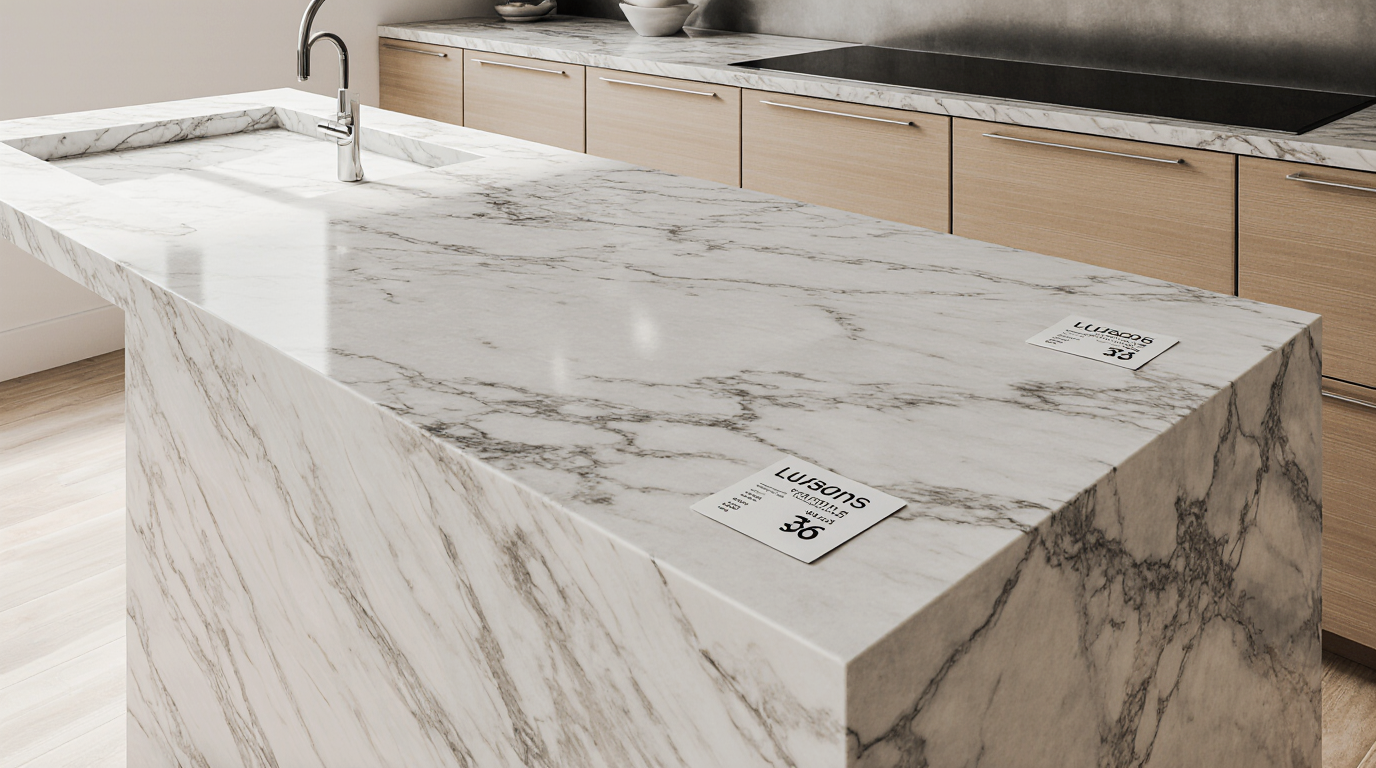
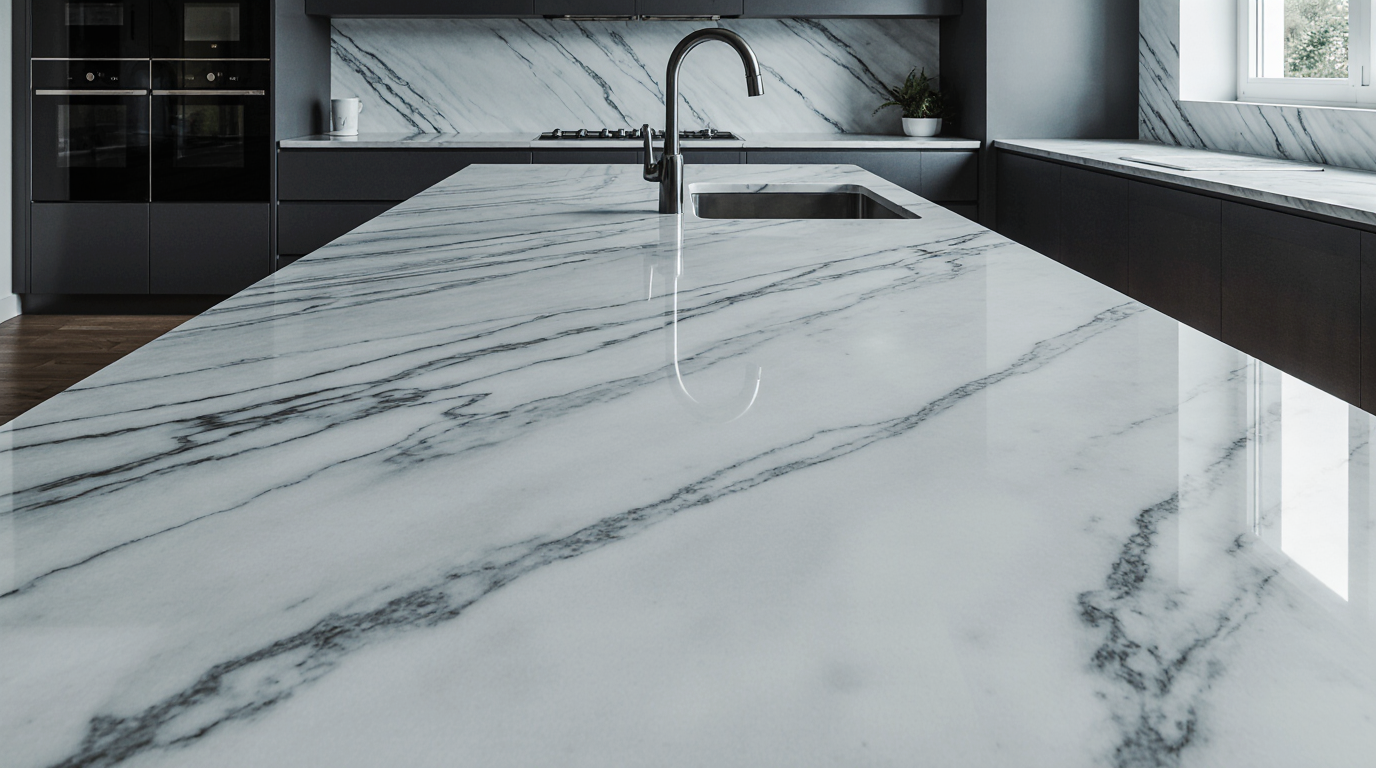
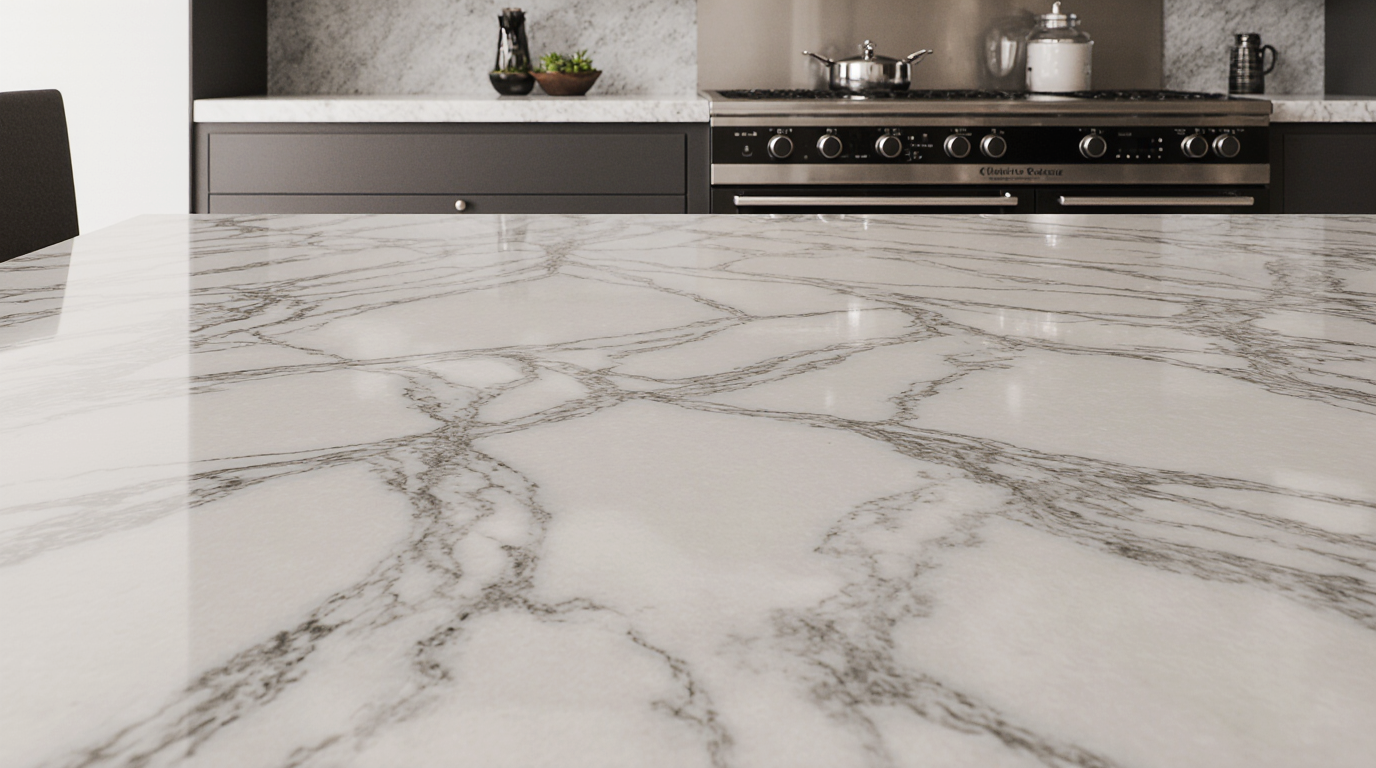
Top-tier marble originates from famous quarries worldwide, showcasing unparalleled natural variations and exquisite visual appeal. Italian Carrara marble is known for gentle grey veining, while Calacatta offers intense, artistic patterns that transform interiors. Marble provenance significantly influences pricing, as select stones are more expensive due to their exotic origins, extraction difficulty, and limited supply. Awareness of marble origin empowers buyers to optimize both visual impact and cost-efficiency.
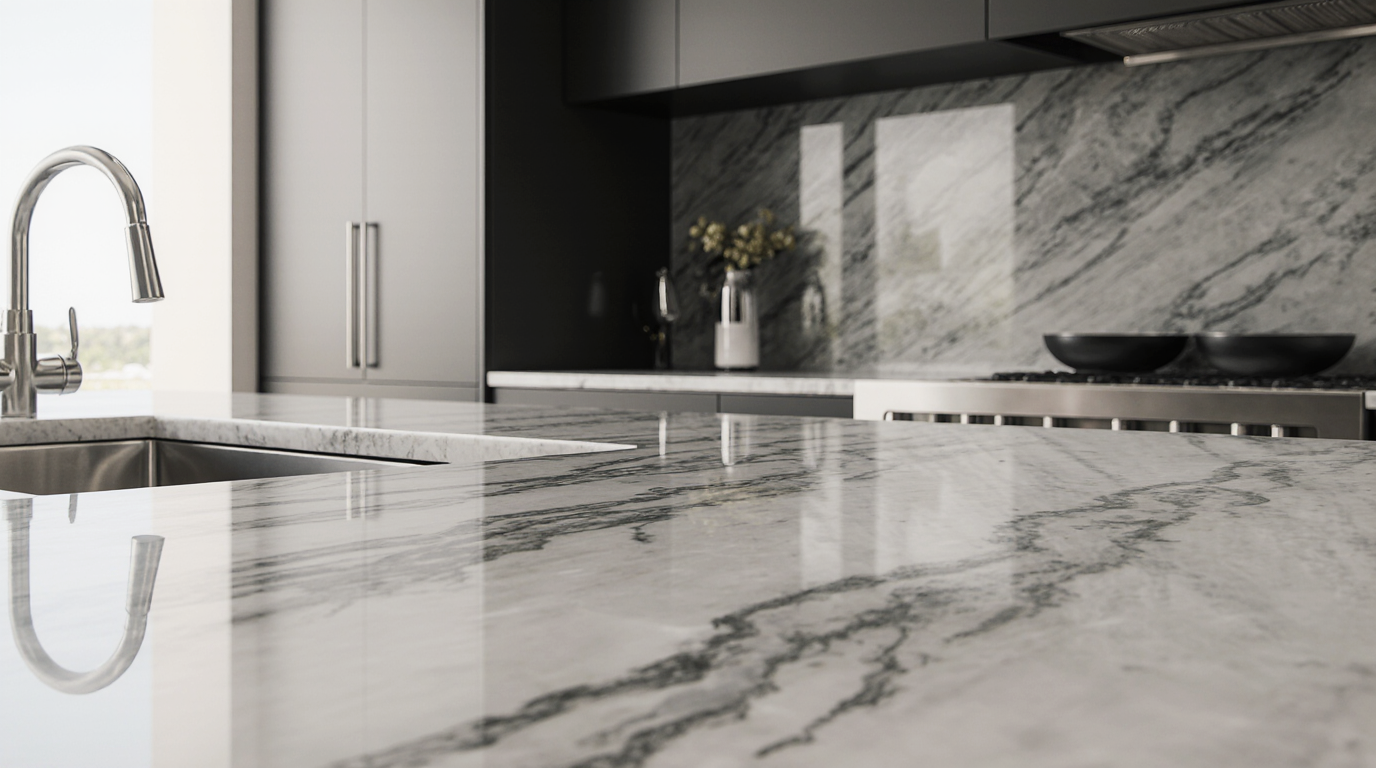
Thickness and finishing techniques also significantly impact the cost of marble countertops. Standard countertops are typically 2 to 3 centimeters thick, with thicker slabs naturally demanding higher prices due to the larger quantity of raw stone. Polishing, honing, or leathering the surface further impacts price, reflecting craftsmanship and style choices. Polished marble enhances shine and veining, while honed provides a subtle, matte sophistication. Leathered finishes, with their tactile, textured appeal, are increasingly popular for creating a warm, modern look while maintaining the luxurious nature of marble.
Installation is another factor that contributes heavily to the marble countertop price. Unlike laminate or engineered stone surfaces, marble requires precise cutting, handling, and professional expertise to ensure a perfect fit. Adding bespoke elements like carved edges, seamless sinks, or waterfall designs increases labor costs but enhances property sophistication. Expert installers assess marble’s weight, structural support, and fragility to prevent damage, emphasizing labor importance.
Maintenance requirements also play a role in understanding the true cost of marble countertops. Despite its durability, marble is porous and can be marked by acidic spills, requiring mindful maintenance. Regular sealing, usually semi-annually to annually, is crucial for protecting marble from stains and preserving its aesthetic. Ongoing maintenance, including sealant application, must be considered in financial planning. Despite these considerations, the aesthetic and functional benefits of marble often outweigh the ongoing maintenance, especially for homeowners seeking a sophisticated and enduring addition to their property.
Comparing marble with alternative materials highlights its unique value proposition. While quartz, granite, or solid surface countertops may offer more uniformity and lower maintenance, they cannot replicate the natural elegance and individuality of marble. Every slab carries unique veining, creating a space imbued with character, style, and sophistication. Marble pricing encapsulates scarcity, artisanal effort, and aesthetic influence, rather than being just a number.
Personalized marble details affect pricing while elevating luxury and style. Homeowners can choose from various edge profiles such as beveled, bullnose, ogee, or chiseled, each contributing to the overall design narrative. Adding multi-tier surfaces, inlays, and seamless backsplashes transforms a space into a tailored luxury setting. Collaboration with skilled designers guarantees that marble features harmonize with overall aesthetics and usability. Custom touches elevate both design sophistication and functional performance, validating added expense.
Where a homeowner resides and stone accessibility influence countertop costs. Location impacts marble prices, with nearby quarries offering lower costs and broader choices compared to remote areas. Additionally, market demand fluctuates based on trends, home renovation seasons, and architectural popularity, influencing the cost per square foot. Knowledge of market trends enables homeowners to make informed purchases, balancing cost, quality, and aesthetic goals.
Selecting marble requires harmonizing appearance, practicality, and financial considerations. Soft, pale marble enhances light and space in smaller areas, while deep-toned slabs project opulence and elegance. Marble integration enhances room ambiance and boosts long-term property worth. The luxury perception of marble extends to financial recognition, marking it as both a design and investment decision.
In summary, evaluating the price of marble countertops requires consideration of material quality, slab origin, thickness, finishing options, installation expertise, maintenance, customization, and market factors. Although initially costly, marble’s enduring beauty, distinctiveness, and refinement offer long-term benefits. Selecting quality marble can elevate a room’s aesthetic while ensuring durability for generations. Marble fulfills aspirations for refined taste, distinct character, and sustainable luxury.
Marble’s lasting allure is achieved through superior material, skilled craftsmanship, and diligent upkeep, marking it as a wise investment. From vein to finish, each marble slab embodies nature’s artwork and human ingenuity, creating spaces of unique character, luxury, and style.