Quartzite Countertops Cost: A Complete Guide to Pricing and Value
Understanding the cost of quartzite countertops is essential for homeowners who want both durability and elegance in their kitchen or bathroom spaces Quartzite is a natural stone known for its incredible hardness, resistance to heat, and stunning visual appeal Unlike other countertop materials, quartzite combines the beauty of marble with the durability of granite, making it a premium choice for those seeking long-lasting and luxurious surfaces The price of quartzite varies depending on factors such as the origin of the stone, thickness, finish, and the complexity of installation For homeowners looking to invest wisely, knowing the breakdown of costs is critical.
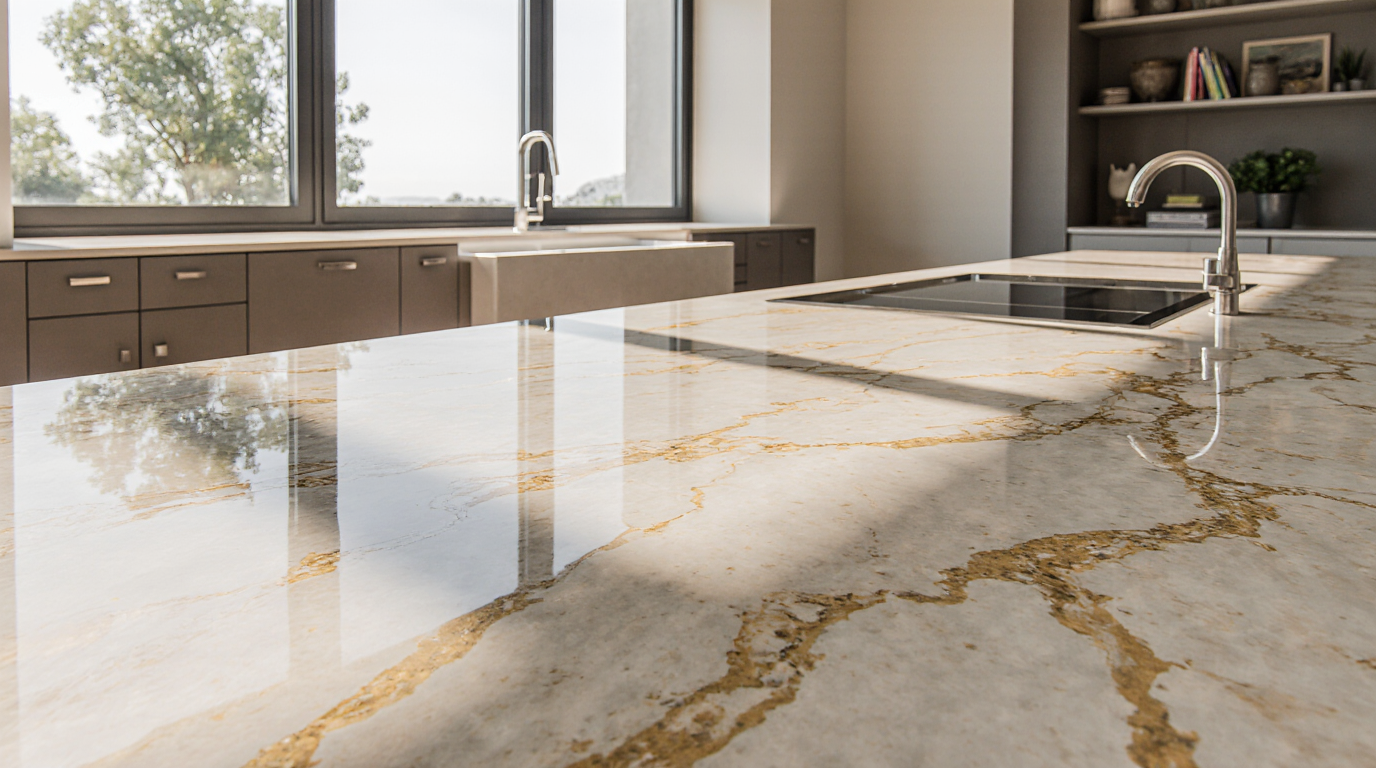
Choice of quartzite species is a major determinant in pricing considerations Some varieties, like Taj Mahal or White Macaubas, are rarer and come with a higher price tag due to limited availability and unique veining patterns Typically, quartzite pricing spans $70–$200 per square foot when factoring in professional fabrication and installation Internationally sourced quartzite is more expensive due to shipping, handling, and thorough quality inspections Homegrown quartzite tends to cost less but still represents a premium investment compared to granite due to its toughness and scratch resistance.
Thickness is another crucial element that influences the overall investment in quartzite countertops Standard slabs are typically 2 centimeters thick, but many homeowners opt for 3-centimeter slabs for a more substantial and luxurious look Investing in thicker quartzite ensures robustness yet carries a higher price tag Labor and equipment requirements for 3 cm slabs increase installation complexity and overall investment Homeowners should balance aesthetic preferences with practical considerations, ensuring the choice aligns with their kitchen’s functionality and budget.
Quartzite pricing is influenced by the type of finish applied A polished finish creates a shiny, veined aesthetic yet demands meticulous work to avoid imperfections Opting for honed quartzite delivers understated elegance at a lower cost than full polish Complex edge details, including ogee or bullnose, elevate labor intensity and overall price Therefore, the total cost of quartzite countertops depends not only on the stone itself but also on the finishing details that contribute to the countertop’s aesthetic and structural integrity.
Installation is a significant component of the overall quartzite countertop cost Factors like project size, layout, and intricacy drive installation fees Complex kitchen geometries demand additional labor, precision cuts, and custom solutions, all elevating installation expense Correct installation ensures longevity, preventing warping, cracking, or surface imperfections Homeowners recognize that paying for professional installation guarantees lasting value, durability, and effortless maintenance.
Ongoing care and lifespan considerations influence the perceived value of quartzite Sealing ensures long-term protection for quartzite, preserving its natural resistance to damage Regular sealing protects against stains and keeps the surface looking vibrant over time While sealing is an added expense, it ensures that the investment in quartzite countertops delivers long-term value The long-term resilience of quartzite compensates for initial expenses, offering cost efficiency over time.
Where you source quartzite and which suppliers you choose affect overall investment Local stone distributors and fabricators may offer competitive pricing, reducing shipping and handling expenses Seeing slabs firsthand ensures informed choices regarding aesthetics, veining, and professional guidance Online retailers can sometimes provide cost savings, but buyers must factor in shipping fees, delivery times, and potential for damage during transit Partnering with trusted vendors guarantees high-quality material and professional support.
Customization can also affect the price significantly Custom edgework, sink integration, and unique cutouts add considerable fabrication and installation costs However, these customizations can enhance the kitchen’s overall design and increase property value Quartzite’s versatility allows for endless design possibilities, from traditional to modern, ensuring that the final installation aligns perfectly with personal style and functional needs.
When measured against alternatives, quartzite’s benefits become evident While granite is often less expensive, it may not offer the same range of colors or resistance to etching Marble offers elegance but requires frequent care due to susceptibility to damage For long-term satisfaction, quartzite’s resilience and elegant appearance justify its premium pricing Investing in quartzite ensures both aesthetic gratification and enhanced property value.
Estimating costs accurately ensures financial preparedness for quartzite projects For a standard kitchen, homeowners should anticipate spending between $3,000 and $10,000, depending on slab quality, thickness, installation complexity, and finishing details Larger or more intricate kitchens may exceed this range, but the results are unmatched in terms of elegance, durability, and resale appeal Budget-friendly options include domestic stones, simpler edges, and limited custom features.
Ultimately, total investment depends on stone choice, slab dimensions, finish, installation complexity, customization, and supplier reliability Although pricier initially, quartzite ensures long-lasting elegance, minimal care requirements, and exceptional resilience By choosing premium slabs, hiring qualified professionals, and maintaining the surface, homeowners secure functional and luxurious countertops for the long term Selecting quartzite merges opulence with utility, creating visually stunning and durable kitchen or bathroom surfaces.
The guide offers comprehensive insight into costs, empowering homeowners to plan wisely when selecting high-end quartzite.