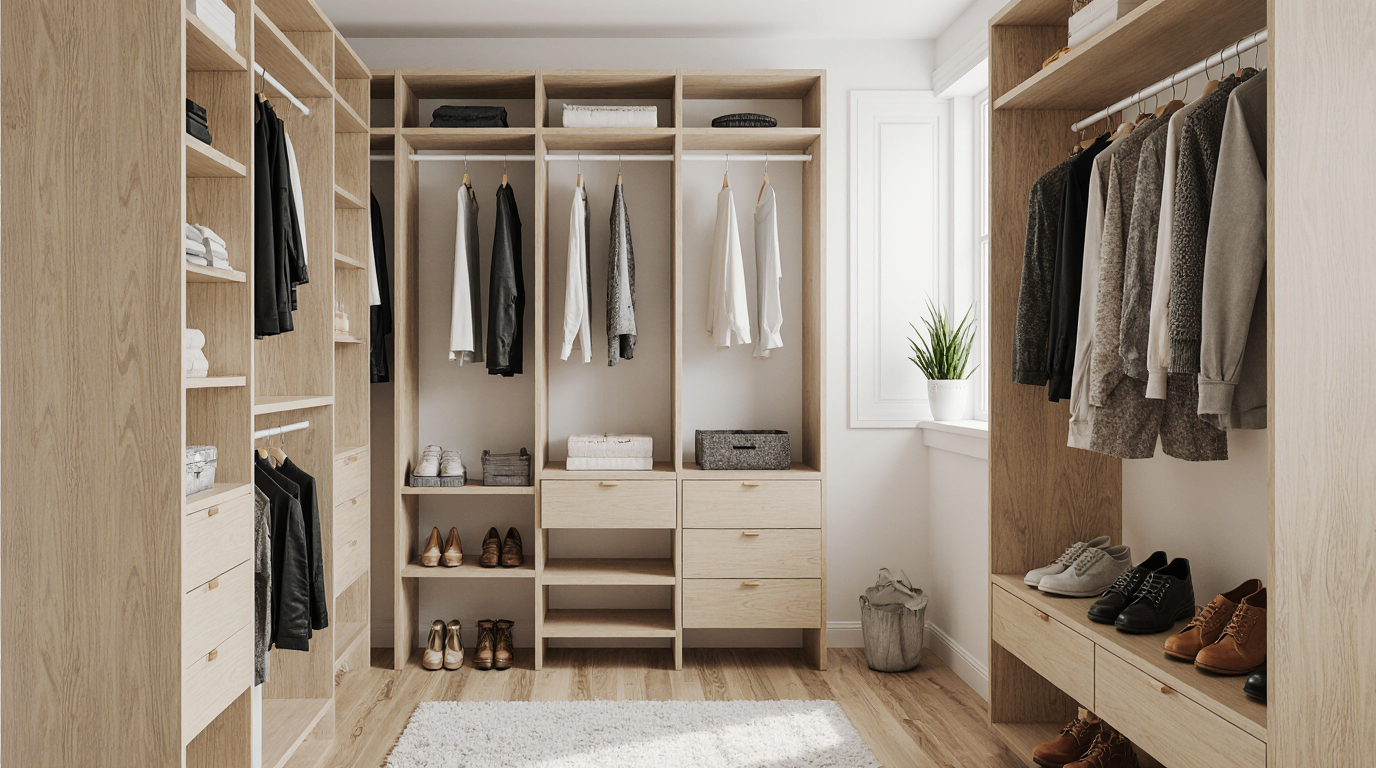
Custom Closet Shelving
In my years engineering high-end cabinetry here in Sarasota County, I’ve consistently seen the same structural failure in closets: shelves made from standard materials begin to sag and delaminate wit…

There's a growing recognition that a high-quality custom closet is foundational to a serene and organized lifestyle.
There's a growing recognition that a high-quality custom closet is foundational to a serene and organized lifestyle. Far surpassing the utility of a basic storage unit, a bespoke closet represents a masterfully crafted spatial and personal management system, meticulously configured to address the particularities of your collection, the architectural constraints, and your desired home décor.
Such a tailored system stands as a testament to organizational excellence, shifting environments from chaotic to composed and setting a sophisticated tone for the day ahead. The journey toward a perfect custom space fundamentally starts with an in-depth consultation, where seasoned experts meticulously analyze not just the size and composition of your belongings—encompassing footwear, personal adornments, business attire, and relaxed garments—but also the structural specificities of the given area. Through this focused, tailored approach, the final design meticulously assigns a specific, functional role to every element, ensuring an optimal use of space, and proves indispensable for overcoming spatial obstacles like unconventional wall angles or limited square footage.
Committing resources to a perfectly tailored storage solution is, fundamentally, a strategic move that enhances enduring functionality and boosts the overall worth of your residence. Unlike generic, off-the-shelf units, custom closets are built with premium materials for durability and finished with exquisite detail, integrating seamlessly with your home's décor. The available customization choices span a wide spectrum, including rich, opulent timber textures, sophisticated translucent doors, cutting-edge mechanical fittings, and subtly incorporated lighting arrays designed to artfully showcase your collection. Imagine a dedicated, velvet-lined drawer for jewelry, pull-out hampers for streamlined laundry, or a specialized valet rod for pre-planning outfits. Such meticulously considered organizational features demonstrate a profound insight into everyday routines, effectively transforming the mundane acts of dressing and tidying into a noticeably refined and enjoyable ritual. The final product is a uniquely tailored private haven that not only preserves your items impeccably but also stands as a shining example of exceptional artisanal skill and intelligent use of volume. To select a bespoke system is to opt for a dynamic, adaptable framework designed to adjust to your changing needs, guaranteeing that your wardrobe space will continue to offer both structure and elegance well into the future.
Closet Design Installation Sarasota FL{A custom closet is a personalized storage solution; it’s a dedicated area built to protect your clothing and protect your wardrobe investment. The process of closet design installation involves a meticulous journey from initial concept to the final, usable space. It begins with a careful analysis of your necessities—assessing the amount of your garments, the types of accessories you own, and your preferred way of accessing them. This vital preparation step ensures the final product is perfectly tailored to your lifestyle, maximizing every inch of available space, whether in a walk-in closet or a compact reach-in.
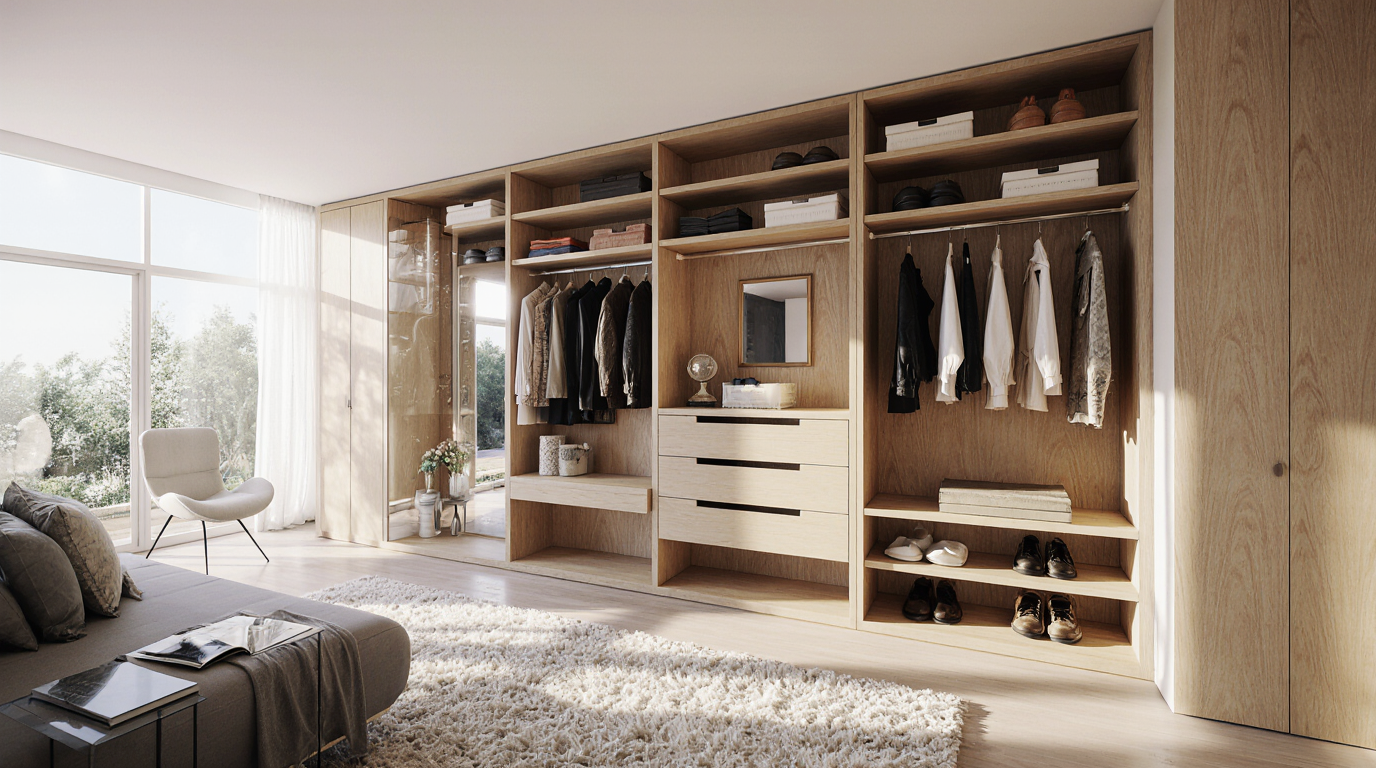
The design phase moves beyond simple shelving to incorporate customized features. This includes varied hanging spaces for long dresses and suits, reconfigurable shelves for versatility, and smart drawers with dividers for smaller items. Modern custom designs often integrate features like pull-out racks for ties and belts, valet rods for staging outfits, and even integrated lighting to highlight your items and improve visibility. The best designs plan for evolving storage needs, ensuring the system remains adaptable and useful for years to come.
Once the design is finalized, the assembly stage starts. This is where skilled craftsmanship is essential. Installers must work precisely according to the approved plans, often dealing with the unique architectural quirks of your space, such as uneven walls or sloped ceilings. Excellent fitting is crucial not only for the aesthetics of the finished closet but also for its structural integrity and long-term durability. Using premium hardware and secure mounting techniques ensures that the system can handle the weight of a full wardrobe reliably.
Choosing the right partner for your closet design and installation is a key decision. Look for companies that offer a comprehensive service—from virtual models to preview the concept before building, to an efficient and clean installation process. The ultimate goal is to transform a plain space into an tidy haven that eases your daily routine and makes storing your clothes an enjoyable experience. The investment in professional design and installation pays off daily in saved time and reduced clutter.
Closet Room Design Sarasota FLConverting a whole space into a dedicated closet, or "closet room," is the ultimate luxury in home organization, moving beyond a standard storage area to create a stylish and highly functional dressing space. A great closet room design must carefully merge style with utility, treating the space as another key room in your home. This process requires consideration of the room's flow, ensuring that changing, dressing, and selecting outfits is a smooth, pleasant process rather than a chore.
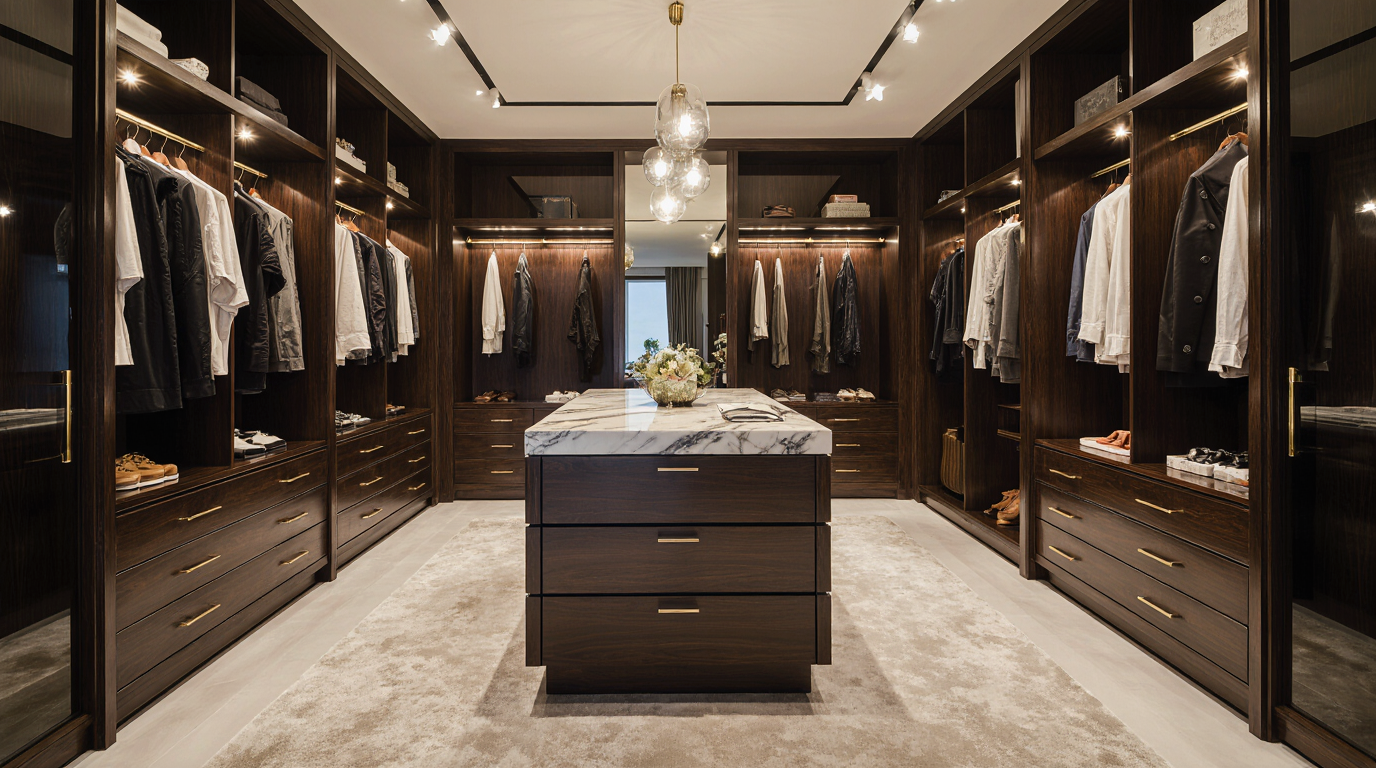
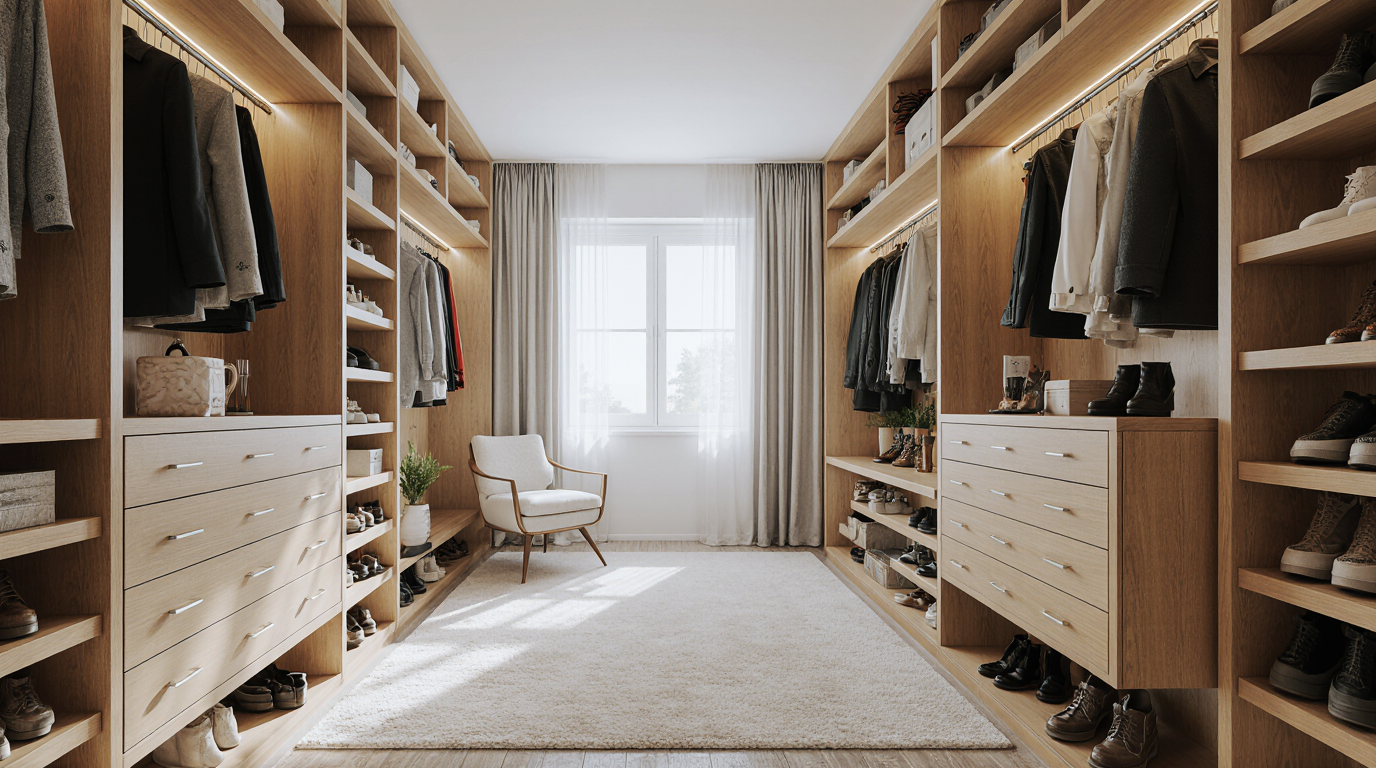
The layout is the backbone of the design. Unlike small closets, a closet room allows for individual areas—areas for shoes, accessories, casual wear, and formal attire. Central islands are a popular feature, providing both additional drawer storage and a flat surface for folding or displaying jewelry. Seating, such as a comfortable chair, should be incorporated not just for comfort but also to define a designated spot for preparation. Furthermore, the design should make smart use of height, often employing double-hanging rods and tall cabinets.
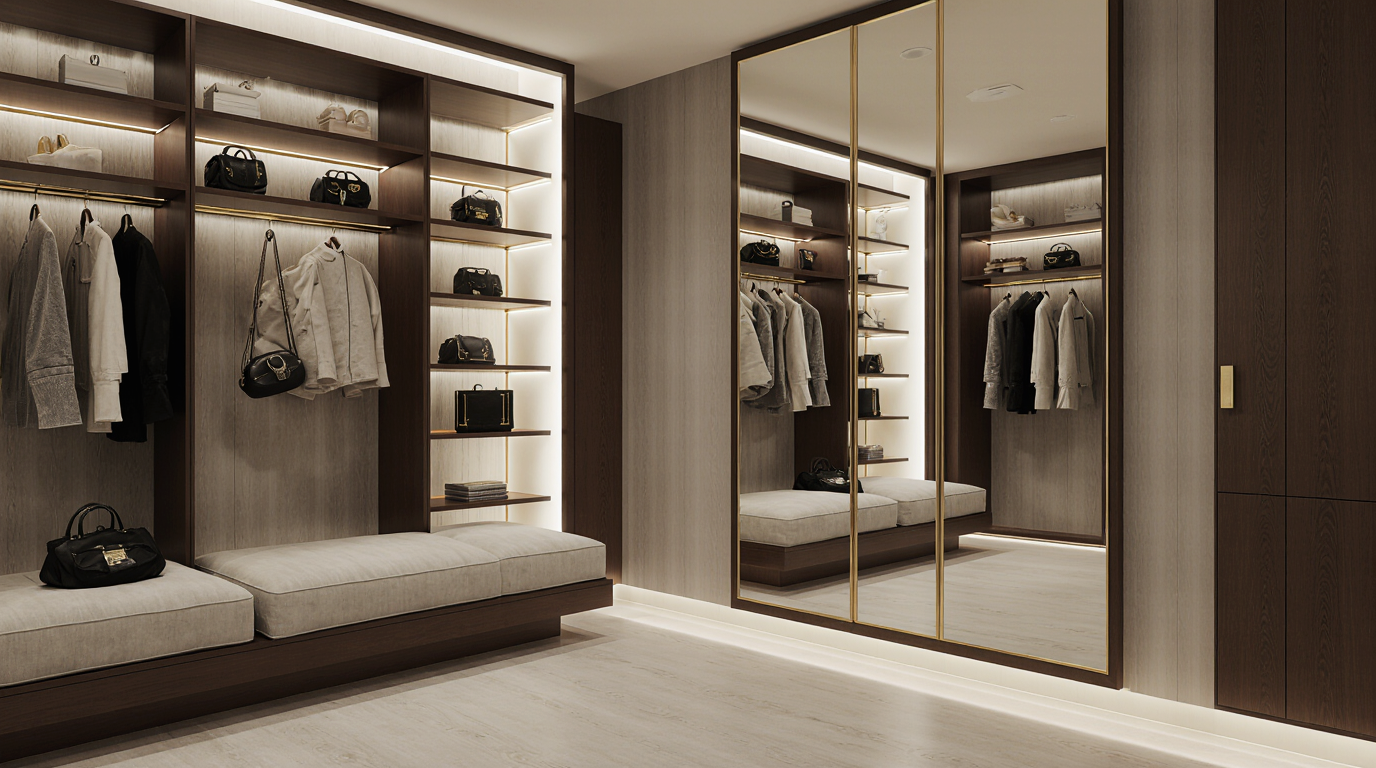
Lighting plays a vital, often underestimated, part in a closet room. General illumination ensures the entire room is well-lit, while task lighting, such as LED strips inside cabinets and drawers, helps to accurately see hues and materials. Daylight is best, but where it's limited, quality artificial lighting is essential to prevent colors from being distorted. The strategic positioning of reflective surfaces—full-length and sometimes three-way—is also a must-have component, enhancing both the practicality of the space and its sense of spaciousness.
Beyond the structural elements, the design finishes are what elevate a closet room to a personal boutique. Choosing materials like fine timber surfaces, glass doors, and stylish handles will reflect your personal style. Accessories like velvet-lined drawers, secure storage for precious items, and built-in power hubs should all be considered. A well-designed closet room is a personal retreat that not only stores your belongings but also celebrates your sense of style, making it a valuable addition to any home.
Professional Closet Installation Sarasota FLEngaging professional installers for your closet system is the essential element that bridges the gap between a great design on paper and a high-quality, robust fixture in your home. Despite the temptation of a do-it-yourself project, the complexity and precision required for custom storage systems demands the skill of specialists. Professionals arrive with specific equipment, deep experience in structural planning, and an grasp of the particular requirements of closet hardware and materials that promise a permanent fixture.
The core value of professional installation lies in accuracy. Custom closets are designed for a particular, individual area, meaning that measurements need to be precise down to a millimeter. Installers are skilled at navigating common household challenges, such as accommodating non-vertical walls, managing electrical outlets, and making sure all sliders and storage units operate flawlessly and are perfectly balanced. This meticulousness eliminates typical malfunctions like misaligned storage, doors misalignment, or units wobbling over time.
A key benefit is the efficiency and cleanliness of the process. Professional teams are experts at quick completion, minimizing hassle. They follow a precise timetable, handle all trash and leftover materials, and clear the site, making it instantly functional. Furthermore, a professional service usually offers protection on the materials and the fitting service, giving reassurance and protection for your investment.
When hiring the crew, ask about their expertise particularly with the specific system and materials you selected. A high-quality company will go beyond the construction phase but will also go through a detailed inspection alongside you. This ensures every pull-out, door, and light fixture is working exactly as intended, confirming that the finished product meets the high standards of the installer and the client. Investing in professional installation is investing in the longevity and daily functionality of your new custom closet.
Closet Organizer Installers Near Me Sarasota FLFinding reputable storage system technicians in my vicinity is the logical next step after you've finalized your organizational design. Proximity matters when it comes to installation services, as local providers often offer faster response times, customized support, and a greater familiarity with area architectural designs and regulations. Securing a reliable local crew guarantees a seamless and effective move from plan to a fully operational storage unit.
When evaluating prospective contractors, it’s essential to look beyond basic quotes. Focus on the company's track record and customer reviews, specifically feedback related to the setup quality rather than the aesthetics. Find confirmation they treat the residence with care, maintain a tidy workspace, and keep to the agreed schedule. A strong local installer will often possess a collection of finished jobs in your locality, building trust in their skill to manage spaces like your own.
The skill level of the fitter determines how long your storage unit will last. An experienced technician will be expert at fastening bulky storage components firmly and fitting intricate elements, like rotating corner racks or specialized jewelry drawers, guaranteeing their perfect operation. They grasp the subtle qualities of the raw materials, be it premium timber finishes or hard-wearing synthetic panels, and apply the correct techniques to prevent damage during assembly and installation.
A reliable community company will typically handle the organization of the job, such as coordinating the material shipment, inventory checks, and debris removal. Before committing, request details on the assurance for the fitting service, as this is a measure of their assurance in their quality of work. Choosing a highly-rated local installer is the best way to ensure your custom-designed organizer is built to last and looks as perfect in your home as it did on the drawing board.
Affordable Closet Design Sarasota FLYou can absolutely design a practical, tidy closet without a significant investment; affordable closet design is entirely possible with smart planning and strategic choices. The key to an affordable plan is putting utility first and concentrating on essential storage requirements rather than costly, bespoke details. This involves making the most of your current area and choosing materials that are highly durable without the expense of custom carpentry.
The best approach for minimizing expenses is to select modular or semi-custom systems. These systems use pre-made parts like shelves, drawers, and hanging rods that can be combined and configured to suit your specific area. Laminates and melamine are excellent, cost-effective alternatives to solid wood, providing a durable, easy-to-clean finish in a variety of styles. By using these materials, you can allocate more of your budget to crucial functional accessories, like reliable drawer runners and flexible shelving mechanisms.
Another strategy for affordability is to focus the custom budget on the areas that provide the most daily value. For instance, rather than custom drawers for the entire system, you might opt for just a few specialized drawers and use more open shelving and baskets elsewhere. Make vertical organization a key priority, utilizing simple yet effective double-hanging rods to double the available space for shirts and pants, which is a greatly affordable way to expand your usable area.
Finally, think about the value over time. A thoughtfully-designed, economical closet will prove its worth by saving you time and reducing chaos, demonstrating its value on a daily basis. Choose a designer who clearly communicates material pricing and is ready to work with you on a design that respects your financial limits while maintaining essential utility. The goal of economical closet planning is to achieve a highly functional space that is resilient, useful, and financially achievable.
Closet Installation Cost Sarasota FLA new closet installation can transform a chaotic storage space into a highly organized, functional area of your home. However, knowing the costs upfront is the most critical first move for any successful endeavor. The cost of installing a closet is far from a fixed number; it is a dynamic figure influenced primarily by the scope of work, the materials chosen, and whether you opt for a pre-fabricated system or a fully custom build. Generally, costs can range significantly, with simple wire racks representing the lowest cost option, while complex custom woodwork and integrated elements require a substantially larger financial outlay.
The most important aspect driving the final cost is the level of personalization. A simple reach-in closet renovation using modular systems might involve basic materials like melamine or laminated particleboard, thereby maintaining lower material and installation costs. On the other hand, a spacious walk-in closet featuring high-end elements like integrated lights, solid timber drawers, glass panels, and bespoke accessories will naturally raise both the difficulty and the price. Furthermore, labor costs vary widely based on your geographic location and the installer's expertise, so seeking various, itemized bids is crucial for accurate financial planning.
To plan your finances properly, you should consider three main components: materials, labor, and accessories. Materials often account for the largest portion of the budget, with premium options such as professional-grade steel or cherry wood costing more than basic laminate. Labor costs cover design consultation, demolition of the old closet, and the actual installation, which can take anywhere from a single day for simple systems to a week for complex custom jobs. Lastly, be sure to account for specialized accessories such as built-in hampers, shoe carousels, or tie racks, which can increase the total cost rapidly but dramatically improve the utility of your new system.
Ultimately, the best approach is to define your needs and priorities before soliciting bids. Determine whether you require maximum storage on a strict budget or if you are seeking a high-end architectural feature that complements your home's luxury aesthetic. By having a clear vision and knowing which factors increase the price, you can collaborate effectively with designers and installers to achieve a functional and beautiful closet that respects your financial boundaries.
Custom Home Closets Sarasota FLCustom home closets are the ultimate expression of customized storage, doing more than just offering capacity to become integral elements of a home’s interior design. As opposed to typical prefabricated cabinets, a tailored system is meticulously designed to fully utilize all potential room, taking into account the exact size of the space and the specific requirements of its owner. This precision guarantees top-tier functionality but also a harmonious look consistent with the home's style, turning a neglected zone into a perfectly suited and streamlined area.
The journey to a tailored closet starts with a comprehensive discussion, where professionals review your present garments, holding needs, and daily routine. This initial assessment is vital, figuring out the ideal balance of suspension areas, flat surfaces, pull-out units, and specialty storage. For instance, a resident with many suits and dresses will demand greater tall storage capacity, while an enthusiast for extras may need tailored compartments for jewelry and specific racks for footwear. This bespoke approach guarantees that the final installation is not just attractive, but ideally matched to your way of life.
Materials choice is a key advantage for bespoke systems. While off-the-shelf solutions are limited to a few standard finishes, custom work allows for a vast array of high-quality materials, featuring durable timbers like oak or ash, unique laminates, and high-end melamine in uncommon shades and surfaces. Furthermore, it's possible to incorporate advanced functionalities such as discreet electronic charging points, sensor-based internal lighting, or integrated dressing mirrors and benches. These esthetic decisions create an opulent, permanent impression that dramatically raises the recognized worth of your residence.
Investing in a custom closet system is a long-term decision that pays dividends in daily convenience and home value. By tackling disarray where it starts and offering an easy-to-reach, sensible spot for all belongings, a bespoke storage solution decreases hassle and conserves minutes. Moreover, when selling a house in a tough market, a custom-made, high-quality closet system is a powerful feature, showing a focus on precision and top-tier build quality that attracts potential homeowners seeking immediate, upscale comfort.
Ideas Walk In Closet Sarasota FLA walk-in closet is often seen as a sanctuary of order and style, and today's possibilities for planning are extensive, resulting in a room as personal as your attire. Going further than pure capacity increase, up-to-date large closet plans concentrate on building a feeling, blending the functionality of storage with the feel of a personal boutique. A fundamental idea is the smart utilization of upward area, integrating full-height racks and multiple tiers of hanging space to take advantage of the closet's height, significantly increasing storage potential.
A vital element of the design is illumination, which can dramatically influence both the appearance and utility of the space. Rather than using only one ceiling lamp, modern concepts employ multiple tiers of illumination: adding focused light inside shelves and drawers to brighten stored items, spotlighting to emphasize prized possessions such as accessories or footwear, and background light to set a cozy and pleasant tone. Proper lighting not only makes it easier to find items but also guarantees accurate color perception, which is crucial for matching clothing pieces.
For people wanting to blend opulence and practicality, a few inventive additions are popular. Think about a center unit featuring a durable work surface, which provides a dedicated area for folding laundry, laying out outfits, or showcasing jewelry under glass. Drawers with custom inserts for ties, scarves, or watches keep smaller items meticulously organized. Another popular idea is the inclusion of a dedicated dressing area, complete with a full-length mirror, a comfortable bench, and perhaps even a dedicated vanity, converting the storage area into an authentic preparation space.
In the end, optimal large closet concepts prioritize customization and enhancing movement. Using transparent or semi-opaque doors on cupboards offers a showcase look while shielding attire from particles. Including a diverse combination of exposed shelves, concealed pull-outs, and suspension rods is key for managing different clothing types. By focusing on smart organization systems and thoughtful design elements, you are able to raise your dressing room from a simple requirement to a fount of peaceful, daily upliftment.
Luxury Walk In Closet Sarasota FLA luxury walk-in closet transcends basic storage; it is a carefully designed, high-end installation that serves as a private dressing room and a showcase for a premium wardrobe. The essence of a luxury closet lies in the details—the materials used, the quality of the build, and the inclusion of advanced systems. These spaces often feature exotic or solid hardwoods, such as cherry, finished with elegant laminates and hardware that is solid and refined. The aim is to create an environment that feels less like a storage area and more like a personalized, refined continuation of the home’s elegant rooms.
The design of a luxury walk-in closet places a major priority on presentation and utility. Features commonly include lighted, customizable racks for displaying designer footwear and handbags, velvet-lined drawers for safeguarding delicate items, and layered accessory trays that keep precious items secure and visible. Instead of typical hangers, one might find polished metal hanging systems, often integrated with a gentle pulley system or soft-close mechanisms on all storage units, providing an effortless and high-quality user experience.
Smart systems are key in modern luxury closet design. Integrated LED lighting systems are paramount, with options for adjustable light warmth to mimic various environments, ensuring outfits look perfect whether worn under daylight or artificial illumination. Furthermore, many luxury wardrobes incorporate features like biometric security drawers for precious items, or climate management technology specifically designed to protect delicate or valuable fabrics, such as furs or vintage garments, ensuring their longevity.
The primary hallmark of a luxury walk-in closet is the perfect integration of comfort and functionality. This often includes installing plush carpeting or a stylish area rug, a elegant central unit with stone or engineered surface, and a dedicated lounge area. By prioritizing both an opulent aesthetic and a highly efficient, user-centric layout, a luxury walk-in closet becomes an indulgent retreat—a personalized space where preparing for the day or an evening event is a delightful experience.
Walk In Closet Designers Near Me Sarasota FLIdentifying qualified walk-in closet designers is the key starting point in converting an idea of tidiness and elegance into a tangible, functional space. The search for "walk-in closet designers near me" should not merely focus on proximity but on identifying professionals who combine aesthetic skill with technical expertise and local expertise. A qualified designer acts as a project manager and consultant, capable of assessing your home’s architectural limitations, determining your exact needs, and leading you past the wide choice of finish and fixture possibilities.
A skilled regional expert brings an invaluable understanding of local styles and the typical home styles in your area, which can influence material choices and overall aesthetic. They are often backed by a reputable local company, providing access to an extensive record of prior work that showcase their expertise in various scales and complexities, from small storage spaces to large, premium wardrobes. When evaluating candidates, look for demonstrable proof of their ability to integrate custom solutions, such as unique compartments, custom lighting, and distinctive surfaces, into their designs.
The initial consultation is a key moment to gauge the professional's method. A great designer will focus on hearing your requirements rather than selling standard kits. They should ask about your clothing collection, the things you want to keep (not just clothes but luggage, sports gear, etc.), and your budget constraints. They should then be able to present a clear, detailed rendering or 3D model of the proposed design, allowing you to see the final result and make informed decisions on materials and layout before the work begins.
Ultimately, selecting the right walk-in closet designer means finding a collaborator who can deliver both superior aesthetics and installation. Ensure the proposal includes a breakdown of materials, work charges, and a defined schedule. By choosing a nearby expert with a good reputation, you not only ensure tailored attention and dialogue throughout the project but also gain a reliable resource who is readily available for any future adjustments or maintenance, assuring happiness with your bespoke closet for years to come.
Fancy Walk In Closet Sarasota FLA walk-in closet is a dedicated sanctuary; it's a dedicated sanctuary that sets the tone for your day and should reflect a high degree of personal style. Moving from a standard closet to a fancy walk-in often involves a transformation from simple function to opulent style. This upgrade is defined by high-end materials, thoughtful illumination, and a carefully considered layout designed to enhance your morning ritual. Think beyond simple shelves and hooks—a truly fancy walk-in incorporates elements like a multi-functional central unit, bespoke built-ins, and even a chic ottoman or bench.
The key to achieving a truly "fancy" aesthetic lies in the details and finishes. Instead of simple particleboard, a luxury closet features high-quality construction, premium finishes, or even glass-fronted cabinets. Hardware should be distinctive, perhaps brushed gold or polished chrome, adding a jewelry-like finish to the drawers and doors. Excellent lighting is crucial, moving beyond a single light source to include recessed ceiling lights, LED strips under shelving for accent, and even a glamorous light feature to create an opulent ambiance. These layers of light not only make the space feel grand but also ensure that every item is visible, minimizing clutter and maximizing efficiency.
Designing a fancy walk-in closet also requires meticulous planning of the interior architecture. It’s not enough to simply have space; the layout must be personalized for the user's belongings. For a collector of designer shoes, specialized footwear storage might be paramount. For someone with extensive formal wear, long-hang sections and storage bags are essential. The most impressive closets artfully combine function and presentation, creating a luxury shopping vibe right in your home. This intentional design ensures that the space operates flawlessly while maintaining its luxurious aesthetic.
Ultimately, a fancy walk-in closet is an investment in both your property and your daily comfort. It’s a space where design meets practicality, making the process of getting ready a smooth and enjoyable ritual. By focusing on premium materials, meticulous execution, and a layout tailored to individual needs, homeowners can transform a simple storage area into a luxurious, highly-organized, and personal retreat.
Custom Walk In Closet Shelving Sarasota FLCustom walk-in closet shelving is the essential structure that transforms a pre-built wardrobe into a perfectly organized, personalized dressing area. Unlike pre-fabricated systems, custom shelving is designed to perfectly accommodate the specific dimensions of a space and the unique volume and type of a person's wardrobe. This level of tailored design eliminates inefficient areas, such as awkward corners or unreachable heights, ensuring that every square inch is utilized efficiently and effectively for storage.
The primary advantage of customized shelving lies in its flexibility. A designer can incorporate a wide array of organizational features beyond standard shelves, such as specialized shoe racks, custom-inset drawers with compartments, and multi-level hanging rods for different garment lengths. For instance, a specific section can be engineered with adjustable shelving perfect for folded items yet fully accessible, while another area can feature integrated laundry baskets or belt organizers. This thoughtful integration of specialized units ensures that everything is stored precisely where it belongs.
Furthermore, custom shelving allows for a choice of materials and finishes that boost the visual appeal. Homeowners can select from rich wood veneers, durable laminates, or elegant clear panels, coordinating the style with the adjacent rooms. The finish on the edges and the quality of the supporting hardware—often overlooked in standard kits—become defining features in a custom build, adding a sense of quality and longevity. This attention to material quality significantly enhances the durability and long-term appearance of the shelving system.
When considering a custom solution, it is essential to consult an expert designer to map out your current inventory and future needs. A good designer will conduct a thorough assessment of your belongings (e.g., number of long dresses, pairs of shoes, folded items) to create a blueprint that prioritizes the most-used items for easy access. Investing in custom shelving ensures that the resulting walk-in closet is not only beautiful but also a functional and calming space.
Cost Closet Organizer Sarasota FLThe price point for a closet organization setup is not fixed, hinging primarily on the type of system chosen, what the system is made of, and if it’s a professional install or a do-it-yourself job.
Starting at the lowest price range, basic wire racks or plastic component systems can be purchased for only $\$fifty$ to $\$two hundred$, providing a practical yet elementary way for increasing hanging and stacking space in a standard closet. These systems are typically DIY-friendly and serve as a quick fix for organization issues.
Going up in price, organizers built from widely-used particleboard or laminate, that can often be partially tailored, fall into the moderate price bracket. The cost for these typically ranges from $\$five hundred$ and $\$2,500$ for a moderate-sized walk-in closet. At this level, you get a wider selection of features—such as pull-out drawers, storage bins, and specific racks for footwear—and may involve a designer's input and a professional installation service. The cost is largely dictated by the number of features and drawers included, as complex components significantly increase the final price.
For a high-end, fully custom closet organizer, the investment can range anywhere from $\$three thousand$ and can exceed $\$15,000$. The upper price range signifies the inclusion of luxury elements such as genuine timber or quality wood finishes, specialized hardware, integrated illumination, and fancy additions like central islands, mirrored doors, and glass shelving. This investment secures a comprehensive package, covering intricate planning, custom fabrication for the exact dimensions, and professional assembly, which makes it feel more like a piece of bespoke cabinetry than mere functional storage.
Ultimately, the final cost of a closet organizer should be viewed as an investment in efficiency and home value. Though the upfront price for a premium, tailored system is substantial, its longevity, perfect usability, and visual charm typically justify the expense in the long run. It's essential for consumers to set their budget and list their key requirements—focusing on either aesthetic quality or pure capacity—in order to select the system that offers the greatest sustained benefit for their unique situation.
Cost of Custom Wardrobe Sarasota FLThe price tag for a personalized closet is a very dynamic investment, dependent on variables like overall area, the intricacy of the interior, material selection, and special fittings. In contrast to a pre-fabricated, ready-made item, the bespoke closet is a permanent installation that perfectly matches the space and the owner's needs, so the cost includes a considerable amount of custom work and expert building. A basic, expert-installed, custom wardrobe will usually have initial price quotes beginning at approximately $\$two thousand$ to $\$4,000$ when built as a compact, simpler model.
The price climbs sharply with the complexity of the interior fittings. Features such as integrated LED lighting, pull-out trouser racks, jewelry drawers with velvet linings, and complex internal dividers add substantial cost. The quantity and type of doors (sliding or swinging), their functioning hardware, and the external look are also major price factors. Opting for high-end materials like solid hardwoods, bespoke finishes, or mirrored/glass doors can push the final cost of a medium-to-large unit into the range of $\$five thousand$ to $\$10,000$ and potentially higher.
The costs for planning and assembly are also a substantial part of the overall expense. Precision measuring and professional setup are critical for a custom closet to look perfectly built-in and make the most of the space. The guarantee of a high-quality result from this professional work is what truly justifies the expense when compared to modular, ready-made items. The design process itself involves multiple consultations to fine-tune the layout, which is essential for creating a truly optimized storage solution.
Ultimately, a bespoke closet is a permanent addition that improves both how the bedroom works and how it looks. Though more expensive than ready-made choices, the money spent results in a product that is custom-fit, very long-lasting, and significantly increases the elegance and worth of the home. Prospective buyers should always seek detailed quotes that break down material, labor, and feature costs to make an informed decision based on their specific needs and budget.
Closet Shelving Solutions Sarasota FLShelving systems for closets form the foundation of maximizing closet utility, providing the essential structure for maximizing vertical space and keeping items neatly categorized. The many choices on the market typically fall into three primary types: wire, laminate/melamine, and solid wood systems, each offering distinct advantages in terms of durability, appearance, and cost. Selecting the appropriate system is highly dependent on the closet style (e.g., reach-in or walk-in), the weight of the items being stored, and the homeowner's desired aesthetic.
Wire shelving is the most economical and easiest to install, often favored in utility closets or rental properties due to its low cost and ventilation properties. While practical, this material may indent clothing and is less stylish than alternative systems. Laminate or melamine shelving falls into the popular mid-price range, offering a solid, furniture-like appearance with good durability and a vast selection of colors and finishes. This is a popular choice for custom and semi-custom closet systems as it effectively balances cost, aesthetics, and functionality.
The premium choice is solid wood shelving, which provides unmatched strength, a luxurious look, and the highest long-term durability. Solid wood can be colored or lacquered to suit all decorating schemes and permits the inclusion of complex features, such as crown molding or custom edge profiles. In addition, numerous contemporary systems are easily modified, utilizing rail-and-bracket systems that enable users to effortlessly change the level and location of shelves, pull-out units, and hanging bars when storage requirements change.
Irrespective of the system used, the most effective shelving solution is one that is specifically designed to align with the inventory and habits of the user. Effective design often involves using tailored storage features like tilted shelves for shoes, compartmentalized sections for bags, or drawers for folded items. By carefully choosing and arranging the storage units inside a wardrobe, one can transform a chaotic space into a highly efficient and visually appealing storage system.
Walk-In Closet Shelving Sarasota FLA well-designed walk-in closet is more than just a place to store clothes; it is a dedicated space that can significantly streamline your morning routine and bring a sense of luxury to your daily life. Central to this transformation is the shelving system. Effective shelving is the core component for an orderly walk-in closet, maximizing vertical space and providing a clear, accessible home for all belongings, from folded sweaters to your collection of handbags. Choosing the right material and configuration is key to both functionality and aesthetic appeal.
When considering walk-in closet shelving, homeowners often face a choice between custom-built wood systems and more flexible wire or modular alternatives. Wood shelving delivers an enduring, permanent style with top-tier longevity and a premium touch, often incorporating features like deep drawers and specific cubbies. Wire shelving, while potentially less stylish, provides excellent ventilation and adjustability at a more budget-friendly price point. The best choice depends heavily on your budget, the size of your space, and your long-term organizational goals.
Modern shelving design focuses on adaptability and ease of use. Adjustable shelves are crucial for fitting objects that differ in size, such as stacks of linen or seasonal boots. Integrating a mix of open shelving, which allows for quick visual inventory, with closed storage like drawers or cabinets keeps the space looking neat. Consider incorporating dedicated shelving for accessories, such as shallow pull-out trays for jewelry or slanted shelves for displaying shoes, guaranteeing all belongings are correctly situated.
The overall goal of your shelving choice should be to create a harmonious blend of form and function. Good shelving elevates your closet from a mere storage unit to a personal boutique, making the act of getting dressed a pleasant experience. By carefully planning the depth, height, and material of your walk-in closet shelving, you invest in an organized space that reflects your personal style and enhances the overall value of your home.
Semi Custom Closet Cabinets Sarasota FLSemi-bespoke closet storage strike a great balance between the expense and lead time of fully bespoke units and the restrictions of ready-made, standardized solutions. These systems provide a great extent of tailoring, allowing clients to pick unit designs, material surfaces, and internal components like drawers and rods, while utilizing common modular dimensions. This method allows for a precise layout that maximizes space efficiency without the steep price tag associated with ground-up custom design.
The appeal of semi-custom solutions is mainly found in their design flexibility. You're able to select from a wide range of colors and materials, from classic wood veneers to contemporary laminate surfaces, enabling you to match your wardrobe units with the current style of your bedroom or master suite. Significantly, the standardized modular components are designed to be mixed and matched, helping you create a smart organization plan that accommodates specific storage needs, whether for a large rail area, numerous drawers for folded clothes, or specialized compartments.
In addition, the installation process for semi-custom cabinets is often less complicated than for a fully custom build. Since the units are manufactured to standard sizes, they come pre-assembled and prepped, significantly reducing the complexity and time involved in the project. This makes them a popular choice for enthusiastic DIYers or people aiming to finish a high-quality renovation project on a tighter schedule.
By choosing semi-custom closet cabinets, you gain a superior degree of structure and quality that surpasses basic storage kits. The outcome is a long-lasting, attractive, and incredibly practical wardrobe that looks fully bespoke. It is an smart financial decision for those looking for refined storage solutions that combine high-end construction, personalized design, and competitive value.
Wardrobe Cabinet for Garage Sarasota FLThe garage, frequently viewed as just a functional area, can become a highly organized extension of your home with the smart placement of a tough storage locker. These cabinets are specifically designed to handle the harsher conditions of a garage—temperature fluctuations, dust, and moisture—offering an essential, enclosed space for items that need to be shielded or dedicated storage away from the rest of the house.
Unlike typical indoor wardrobes, garage wardrobe cabinets are built with heavy-duty integrity in mind, often featuring industrial-grade components that resist wear and tear. Their primary purpose is to provide secure, dust-free storage for a wide range of goods. This can range from seasonal clothing, such as ski gear or heavy coats, to safety apparel, DIY essentials, or even large, seldom-used belongings that you rarely access but still need a dedicated spot.
The configuration of these cabinets typically features a combination of flat surfaces and a clothes rail, offering maximum versatility. The rail is critical for ensuring specific garments stay smooth, such as work overalls or formal clothing, while adjustable shelves enable you to stack of storage bins or equipment. Cabinets with locking mechanisms are a particularly valuable feature in the garage, making sure dangerous chemicals, valuable tools, or private papers are kept securely locked away.
A well-designed storage locker doesn't just contain mess but also improves the visual quality of the space. By enclosing disorganized items behind solid doors, the cabinet instantly creates a cleaner, more streamlined look, transforming the garage from a messy storage area into a practical and neat environment. This straightforward upgrade is key to unlocking the full organizational potential of your garage.
Custom Shoe Storage Sarasota FLFor avid shoe collectors or those with a large and varied collection, custom shoe storage is the ultimate solution to bring order and display elegance to a closet or dressing area. Generic shoe racks often fall short, not managing to safeguard valuable shoes or accommodate diverse styles, from fragile heels and tall boots to bulky athletic shoes. A custom solution meets these specific requirements, ensuring every pair is properly supported, simple to see, and protected from damage.
Creating bespoke shoe organizers involves planning the precise dimensions and features necessary for your specific collection. This might include adjustable or slanted shelving to showcase footwear effectively, individual cubbies to preserve the form of fragile shoes, or dedicated boot stands, avoiding folds. The use of transparent or glazed panels, alongside integrated LED lighting, can turn a simple storage area into a boutique-style display, treating your shoes like a museum exhibit.
The material and finish are also crucial to the custom experience. Premium timber, veneer, or metallic elements can be tailored to match the decor of your closet or room. Beyond aesthetics, proper design considers airflow and ease of access. Pull-out trays or rotating units can maximize storage in deep or awkward spaces, while ensuring that the less frequently worn pairs are not forgotten in the back of the closet.
Putting money into a bespoke setup is a sensible method to prolong the life of your footwear and improve your daily routine. By making a designated, precisely sized spot for each pair, you stop the stressful hunt for a pair and ensure that your shoes stay looking brand new. Custom shoe storage is a mark of careful planning and a commitment to protecting your valuable investment.
Small Shoe Storage Cabinet Sarasota FLIn apartments, entryways, or compact bedrooms where room is scarce, a small shoe storage cabinet offers an essential and discrete organizational solution. These cabinets are cleverly engineered to fit the most shoes in a minimal space, preventing the clutter of shoes from piling up by the entrance or at the base of the closet. They show that even small floor plans can accommodate effective, stylish storage.
The utility of a compact shoe unit often depends on clever features. A lot of common designs use drop-down compartments, which smartly arrange shoes upright, lining them up toe-to-heel to minimize the cabinet's depth. This design is particularly useful in narrow hallways or mudrooms where a large, conventional unit would obstruct the flow of traffic. Other designs employ compact shelving or cubbies, often concealed behind clean, solid doors for a tidy appearance.
Beyond organization, a key benefit of these smaller units is their aesthetic versatility. Available in a wide array of finishes, from bright white and warm timber hues to deep, contemporary colors, they can effortlessly blend in with your current pieces. The top surface of many small shoe cabinets often doubles as a functional entryway table, providing a convenient drop zone for your keys, post, or an ornament, enhancing the unit's utility.
Ultimately, a small shoe storage cabinet is a powerful tool for maintaining an orderly and welcoming home environment. It tackles one of the most common sources of domestic clutter—the jumble of daily footwear—with a compact and elegant solution. By neatly containing shoes and hiding them from view, it ensures that your hallway or compact room stays organized and works perfectly.
Simple Closet Solutions Sarasota FLA well-organized closet doesn't need a total renovation or a huge amount of money. Often, the best solutions are the simplest ones that make the most of your existing area. Begin with a clear-out, removing any items you haven't worn in a year or that are now the wrong size. This initial action instantly makes the area look bigger and makes organization much more manageable. You can then move on to using simple, inexpensive accessories to keep things neat.
One of the most effective yet simple tricks is using vertical space. If you have a just one rail, consider adding a closet doubler or using tiered hangers to maximize the area for shirts, skirts, and folded trousers. For items like footwear or extras, cheap, modular shelves or hanging racks can be placed below garments or on the inside of the door, using all the room available from top to bottom.
In addition, uniformly using thin, identical hangers can greatly improve the situation. Replacing bulky plastic or wire hangers with velvet-flocked, space-saving ones immediately saves space on the rail, letting you hang more without squishing your clothes. This small change also gives the closet a unified and tidy appearance, improving its entire look.
Finally, remember the power of proper lighting and clear containers. Putting in a strip light that runs on batteries can illuminate dark corners, helping you see what you own. Use clear bins or baskets on high shelves for off-season clothes or seldom-worn items. Labeling these containers ensures that you know exactly what’s inside without needing to take them all out. These easy fixes transform a chaotic space into a functional and peaceful one.
Closet in the Garage Sarasota FLTapping into the garage as a place to keep extra stuff is common, but with smart organization, it can turn into a great secondary closet. A "closet in the garage" is perfect for items that are not suited for interior spaces due to their size, when they are used, or material, such as outdoor gear, hardware, specialized attire, or athletic gear. The key is to keep the stored items safe from the garage environment, which can fluctuate in temperature and humidity.
To start, you should pick the correct system. Unlike interior closets, garage closets call for tough, long-lasting components. Fully enclosed cabinets—preferably constructed from metal or moisture-resistant laminate—are the most recommended route. These cabinets shield your belongings from dirt, insects and rodents, and the dampness that frequently fills a garage, making sure things like unique equipment or out-of-season clothing remain in good condition.
The practicality of a garage closet is achieved through tailoring to suit different purposes. Instead of only one hanging bar, incorporate various storage elements like sturdy, wide shelving for oversized containers, pegboards mounted inside the cabinet doors for small tools, and customizable bars for clothing that needs to be suspended. For sports gear like helmets and balls, opt for mesh containers that let air flow freely and prevent mildew, keeping everything fresh and accessible.
Lastly, placement and clear labels are most important. Set up the closet far from where the garage door opens and closes to reduce how much grime and car fumes hit it. Make sure each container, rack, or sliding unit within the garage closet has a distinct and highly visible label. Since the things you store in the garage are usually not accessed daily, explicit labeling prevents frustrating searches and maintains the system's order over time.
Garage Closets Sarasota FLIt’s not accurate anymore to say that garage closets are just simple, practical spots for dirty equipment; they have become advanced storage setups ready for any challenge a home throws at them. Today's garage storage units, often built as comprehensive systems, are critical for property owners looking to reclaim their garage floor space and turn the space into a practical part of their home, such as a workshop, hobby area, or just a tidy spot to keep their vehicle.
The value of a good garage closet system comes from its robust design and materials. These systems are often made with tough, high-quality material, such as heavy-gauge steel or thick, laminated wood that resists warping and damage from impacts, chemicals, and temperature swings. Details such as the baked-on paint on the units stop corrosion and ensure that cleaning up tough messes is simple, ensuring the longevity of your investment.
When planning your garage storage system, it’s important not to limit yourself to simple shelves. Include custom elements that address the particular needs of garage storage. Grooved wall sections mounted on the outside or inside of the cabinets are great places to suspend equipment like tools, garden implements, and steps. Meanwhile, built-in desks that have drawers that can be locked offer a fixed area for do-it-yourself tasks and ensure dangerous equipment is safely stored from children and pets.
The bottom line is, the top garage closet setup is one that is attached to the wall and not touching the ground. Keeping the setup up high prevents water damage from spills or rain and simplifies the task of sweeping and cleaning the garage floor. This raised concept results in a tidier, less cluttered appearance and is the sign of a top-tier, expertly designed storage solution.
Closets and Garages Sarasota FLThe tie between closets and garages in a home says a lot about how tidy and streamlined the entire house is. While traditional closets manage personal wardrobe and indoor essentials, the garage is the frontier for large, time-of-year, and useful things. Applying the organization rules from one area to the other holds the key to a house that is completely free of clutter, where all items have their own spot, regardless of its function.
A major parallel is the focus on using space that goes up. Just as wardrobe closets use high shelves and double rods, the garage should utilize overhead storage racks and floor-to-ceiling storage units. This approach makes the most of unused overhead room, freeing up the ground in the sleeping area and the vehicle space. By focusing on height, a tiny wardrobe or a compact vehicle storage space can yield surprising amounts of usable storage.
What’s more, a timed swap-out method can link the two spaces effectively. Items used only once or twice a year—like holiday decorations, camping gear, or thick cold-weather jackets—should migrate between a garage closet and the main indoor closets. Implementing identical, clearly marked containers for this rotation creates a seamless system, ensuring that your indoor closets are reserved for daily use items and the garage serves as a tidy, secure spot for things not currently in use.
Finally, the principles of categorization and labeling are universal. In whether it’s a big closet or a garage storage unit, grouping similar items together—whether it's professional attire or power tools—streamlines the process of finding and putting things away. Easy-to-read, long-lasting tags on bins and shelving units stop you from forgetting where things are and guarantee that the organizational integrity of both your personal and utility spaces is maintained long-term.
In my years engineering high-end cabinetry here in Sarasota County, I’ve consistently seen the same structural failure in closets: shelves made from standard materials begin to sag and delaminate wit…
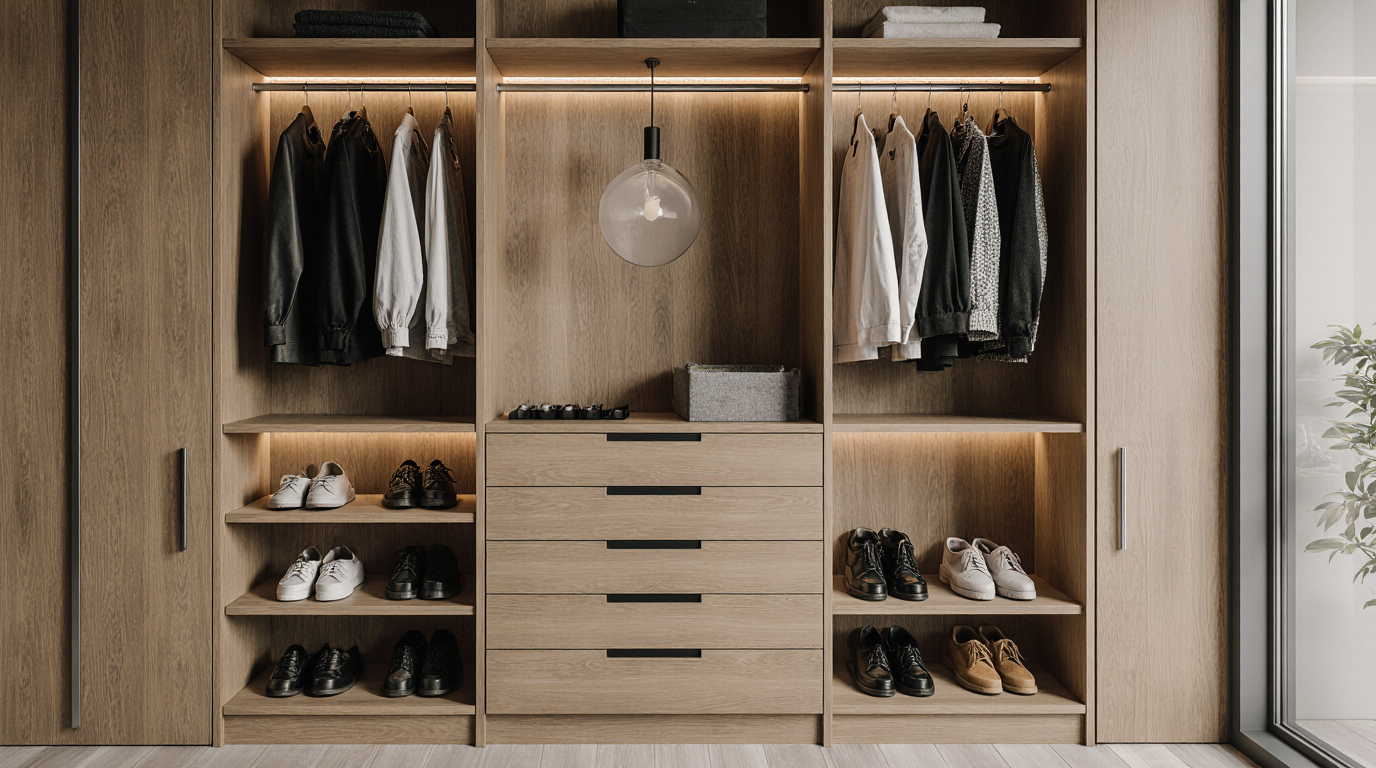
Working on luxury properties from Lakewood Ranch to Siesta Key, I've seen countless high-end closet systems fail prematurely. The issue isn't poor craftsmanship, but a fundamental misunderstanding of…
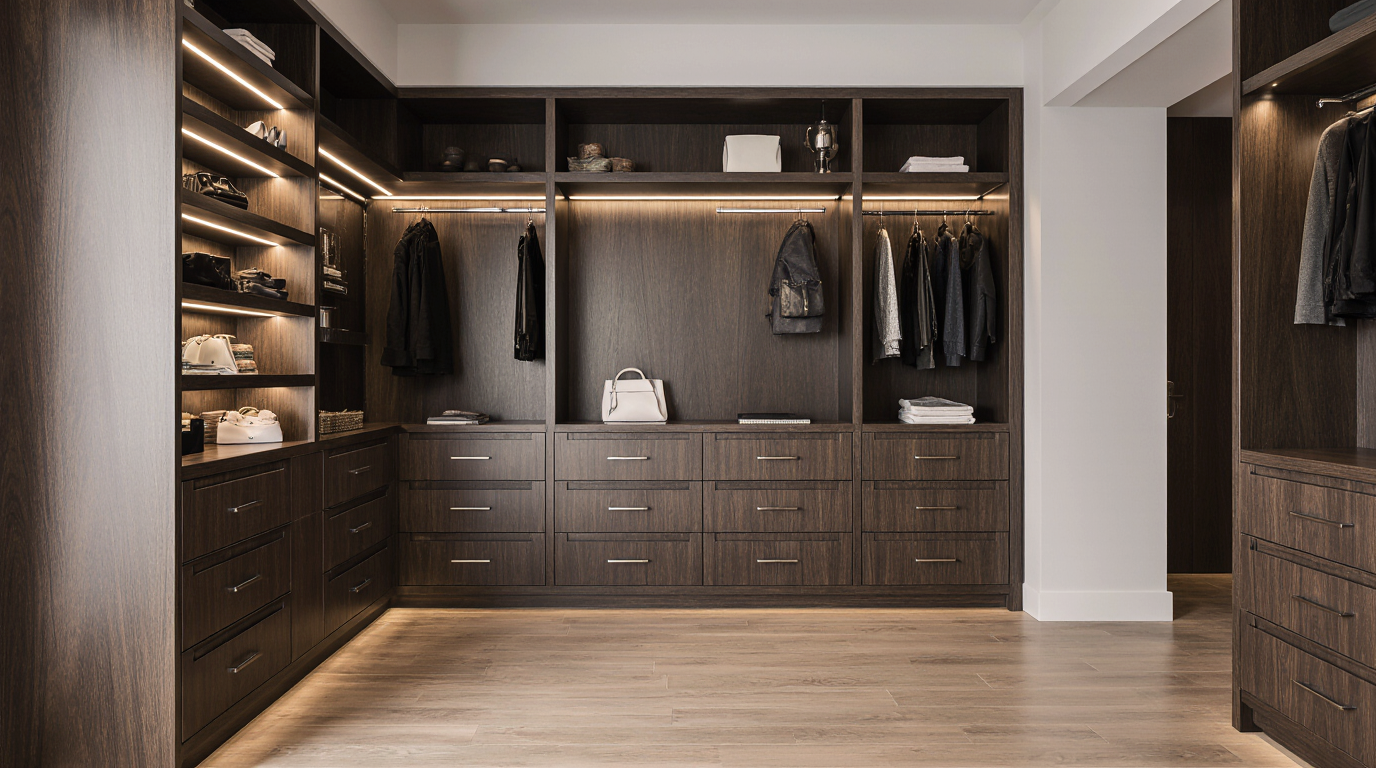
I’ve seen the same structural failure in dozens of high-end closets from Siesta Key to Longboat Key: within three to five years, standard MDF or particleboard begins to swell from Sarasota’s pervasiv…
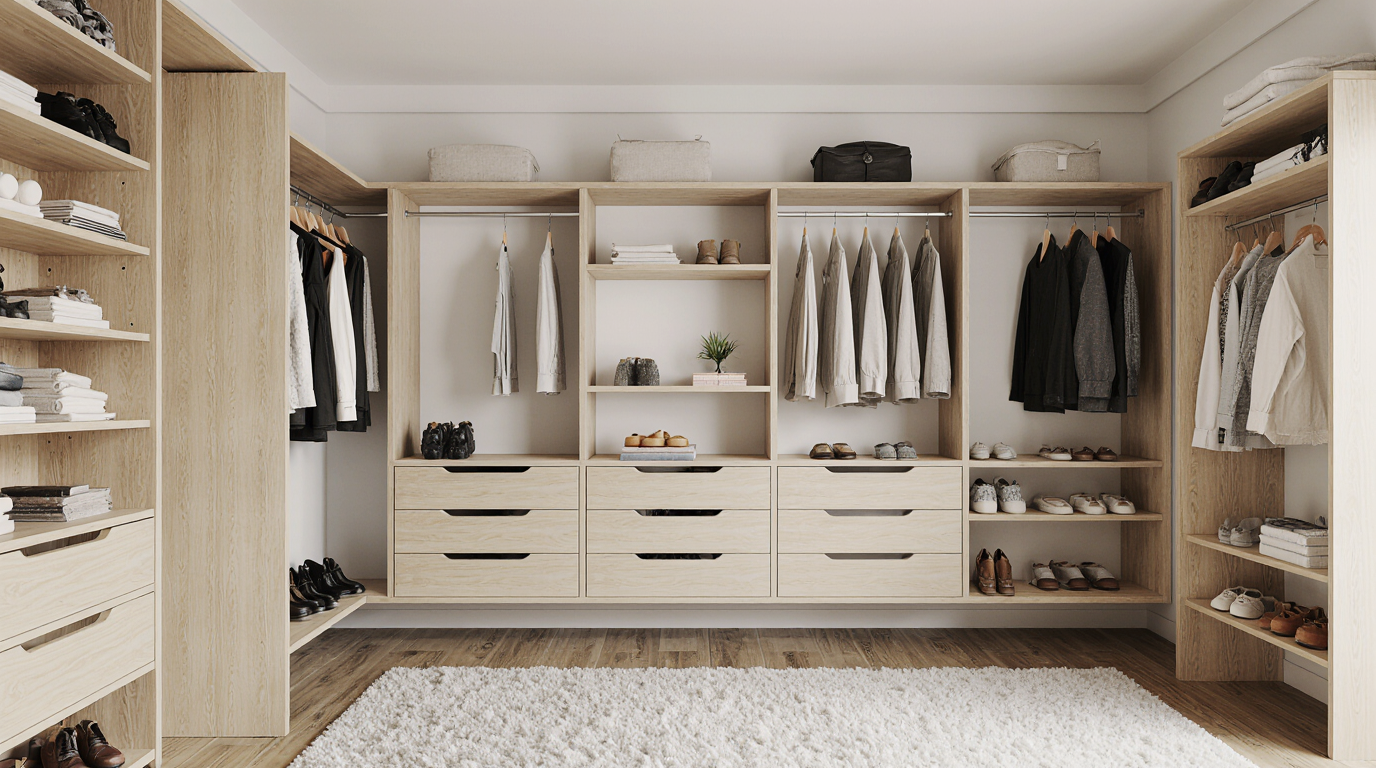
Over my years designing and building custom closets in Sarasota County, I've seen a consistent failure point in high-end homes: cabinetry that simply isn't engineered for our coastal environment. Sta…
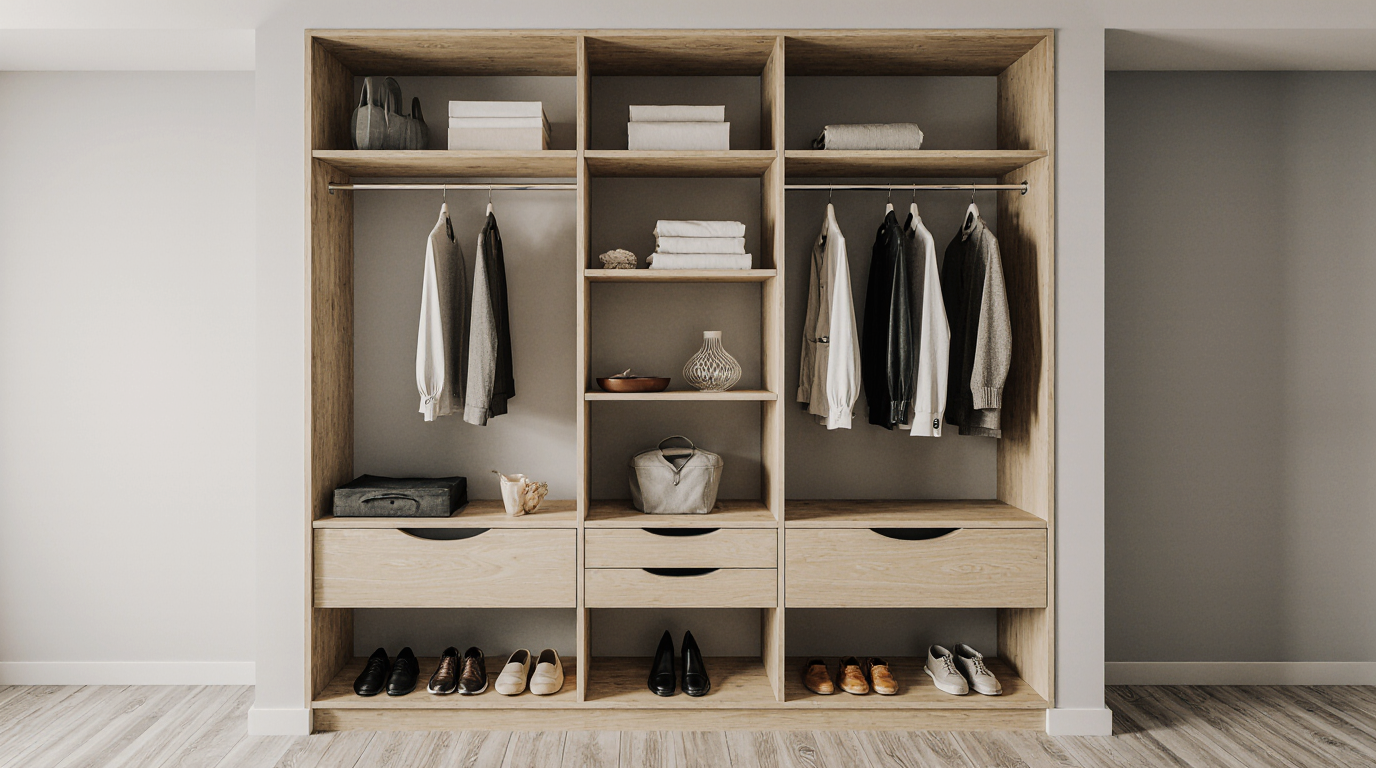
Over years of designing and building custom closets in Sarasota County, I've identified a recurring, costly failure point: delamination and hardware corrosion. I've seen it in waterfront estates on S…
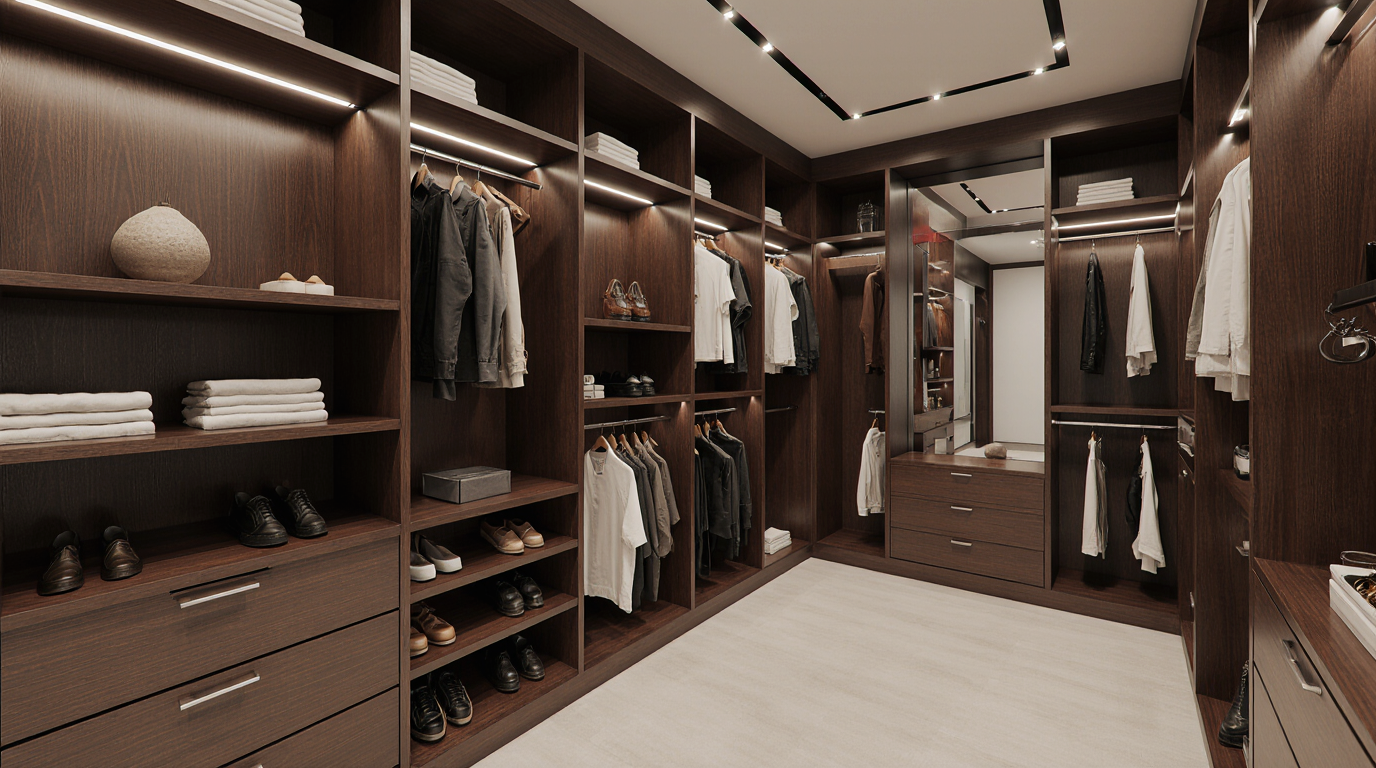
In my years designing and building custom closets here in Sarasota County, the single most common failure I see is material degradation due to ambient humidity. Standard melamine or MDF closets, espe…
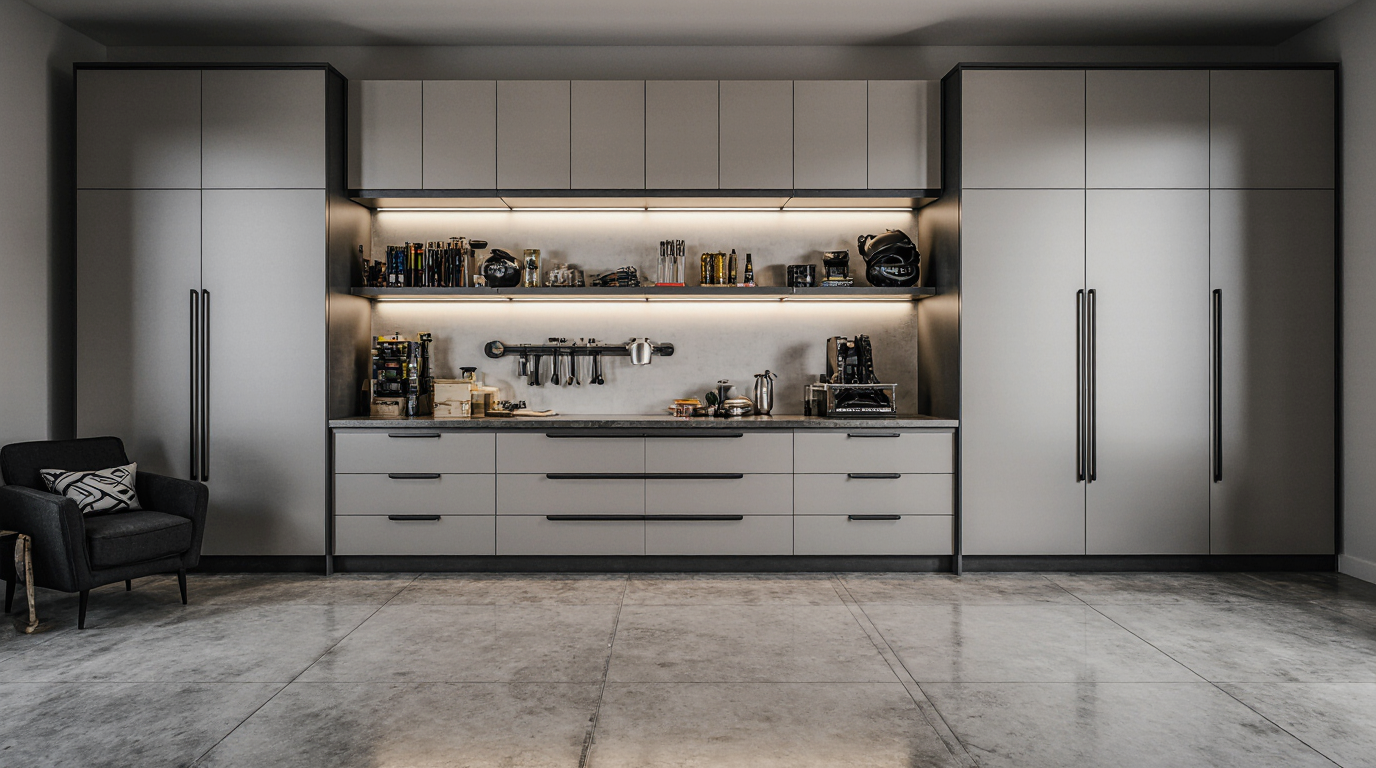
In my years designing and building custom cabinetry here in Sarasota County, I’ve seen the same critical failure in garage storage systems time and again: catastrophic material swelling. Homeowners i…
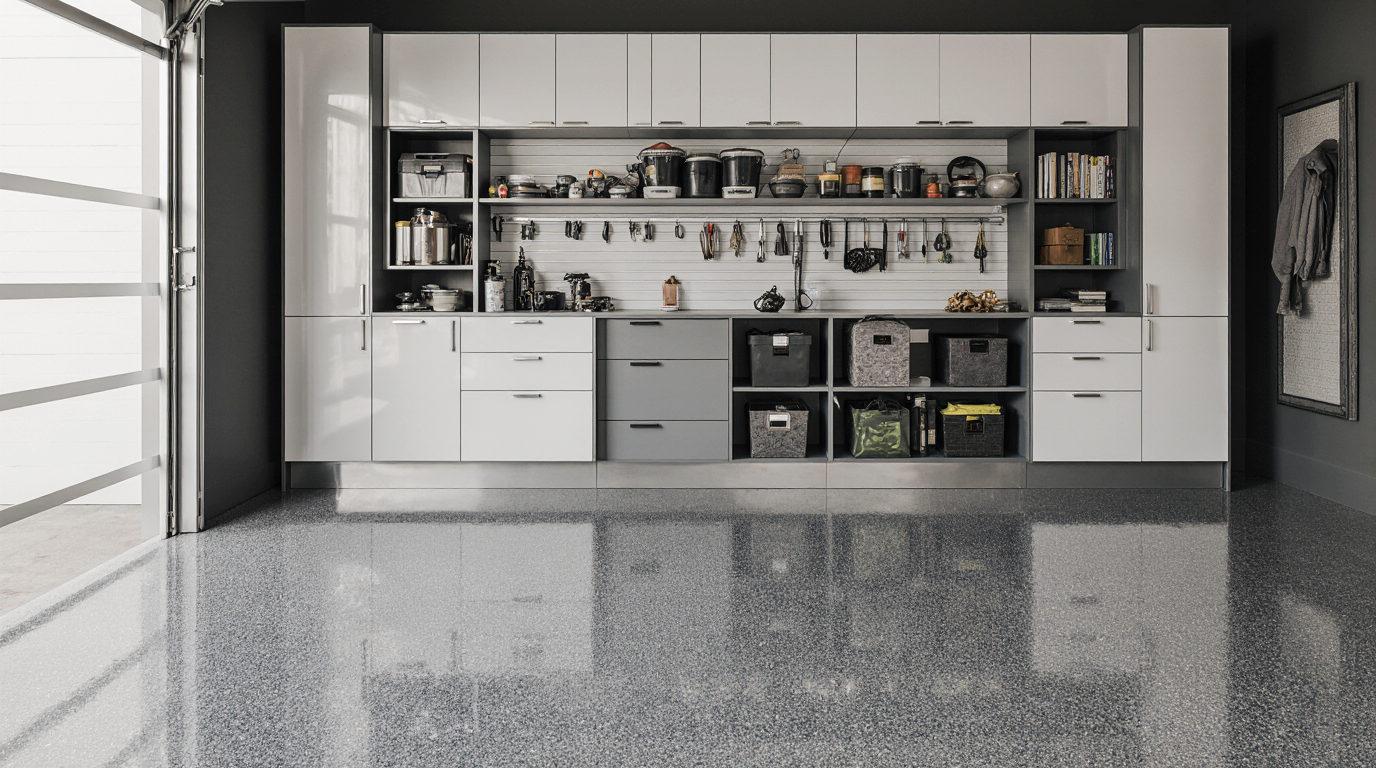
In my experience designing custom cabinetry for homes across Sarasota County, the single most common failure I encounter is in the garage. Standard melamine or particleboard cabinets, often installed…
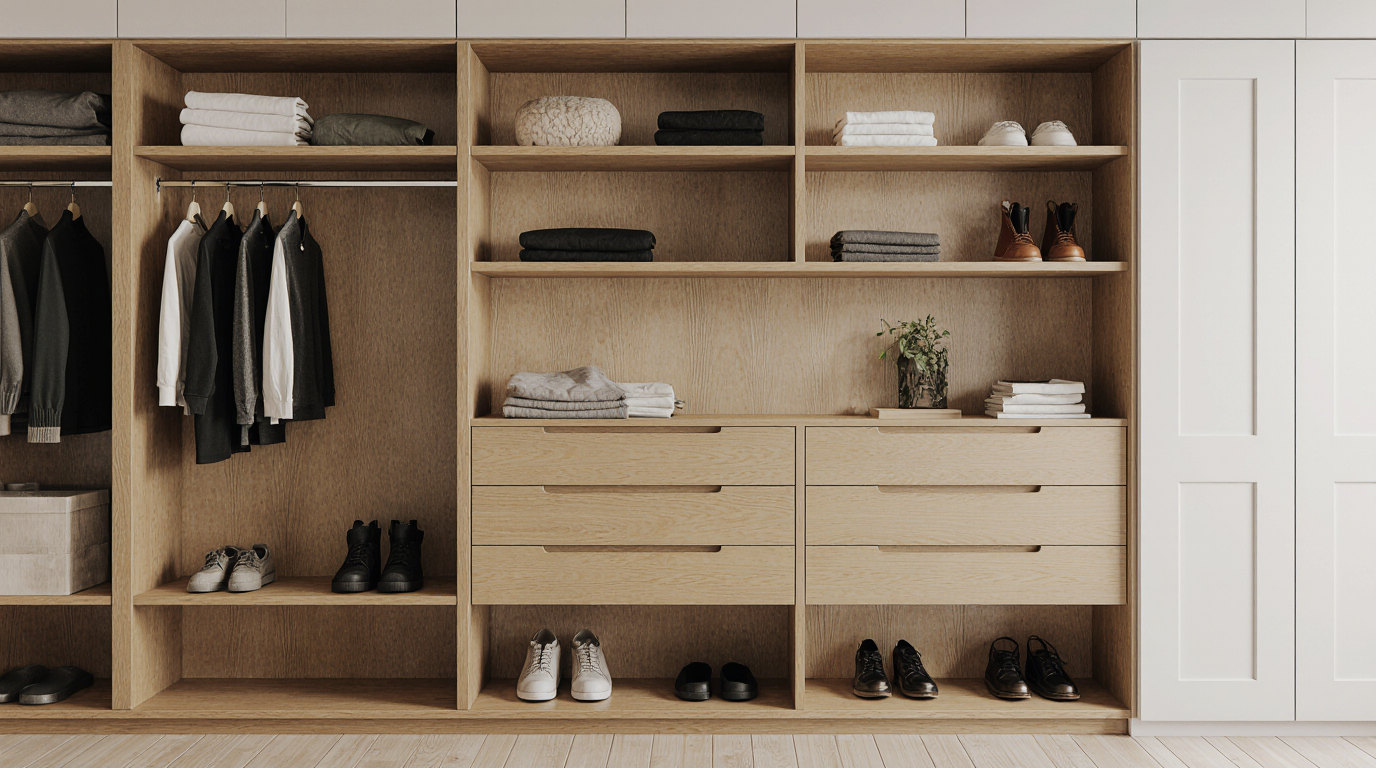
In my experience fabricating and installing high-end closets across Sarasota County, the most common point of failure isn't poor design, but material specification that ignores our coastal reality. I…
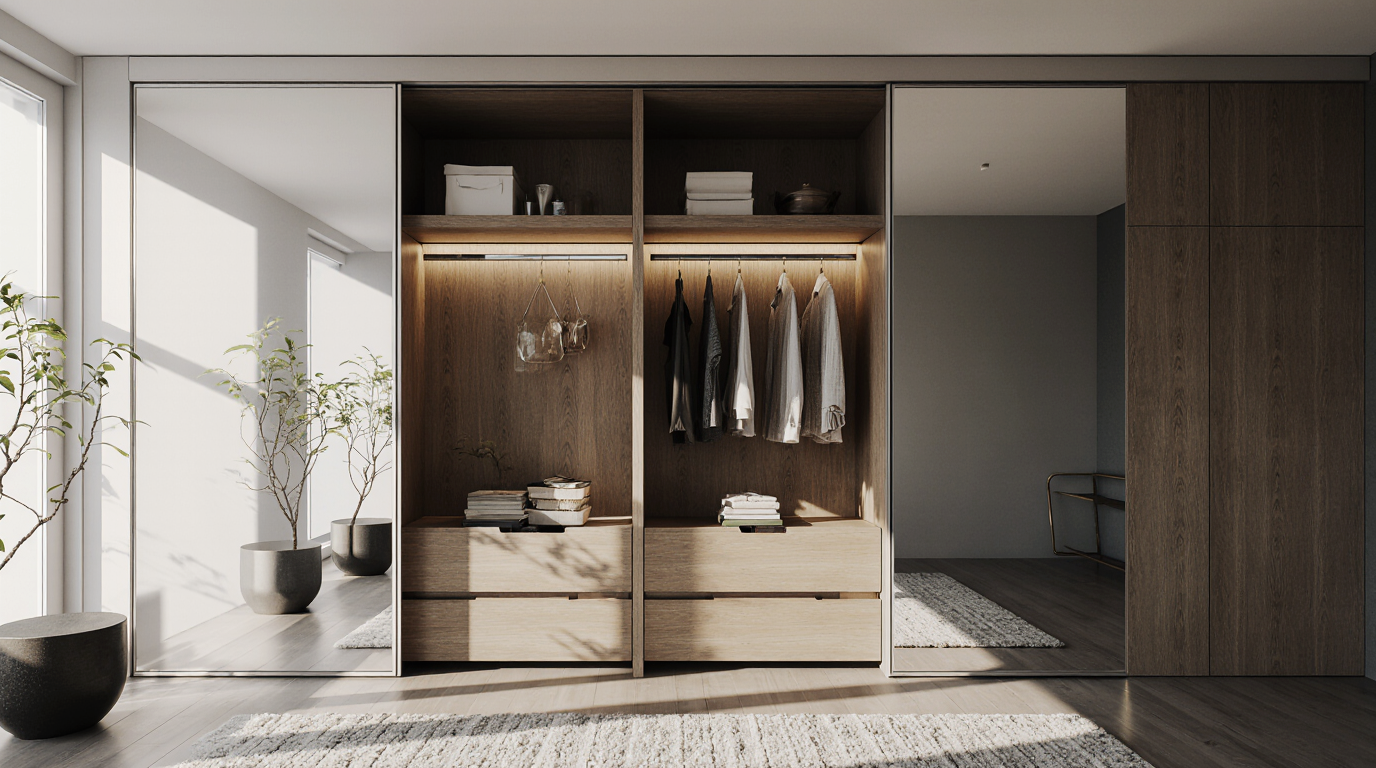
In my years designing and building custom wardrobes for homes from Siesta Key to Lakewood Ranch, I've seen the same structural failure point repeatedly: hardware corrosion and panel swelling caused b…
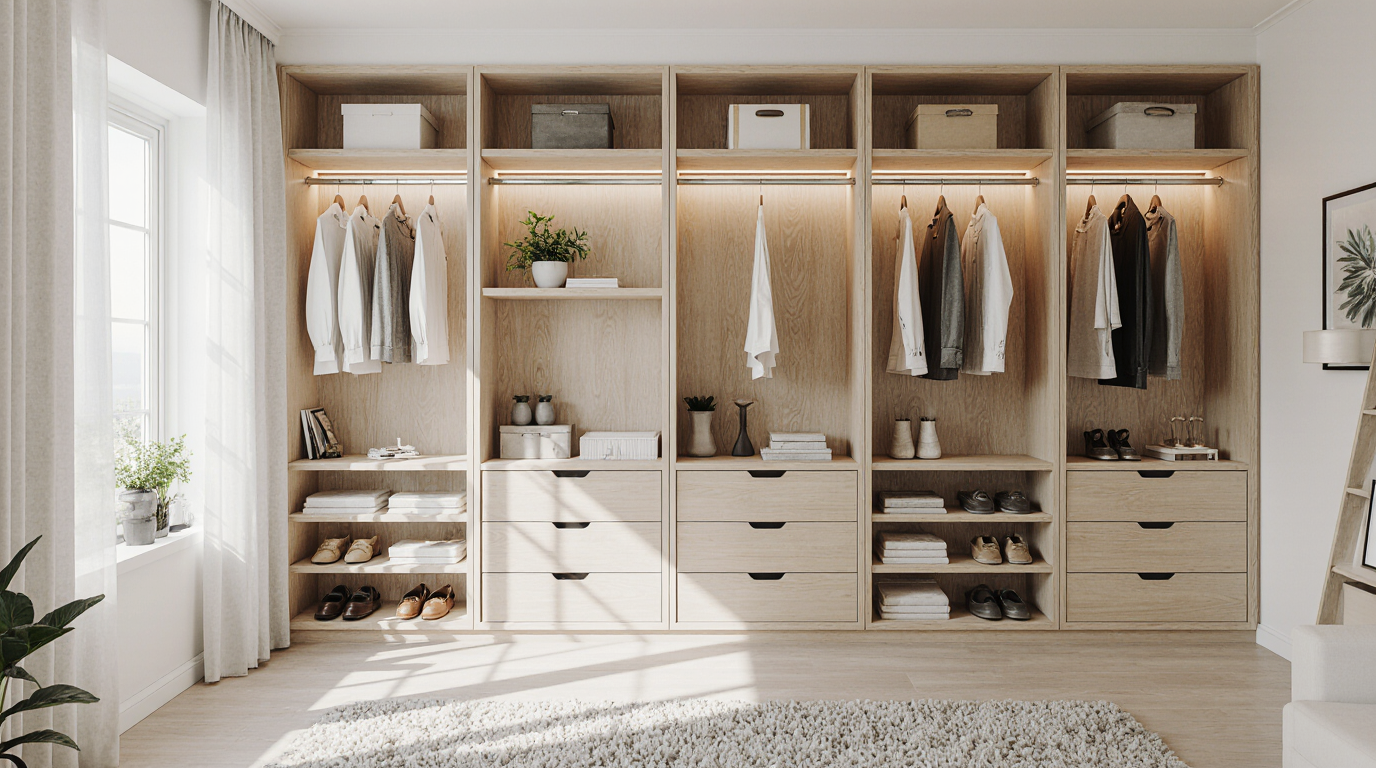
Working on luxury properties across Sarasota County, I've had to replace countless high-end closet systems that failed in under five years. The primary culprit is almost always the same: material sel…
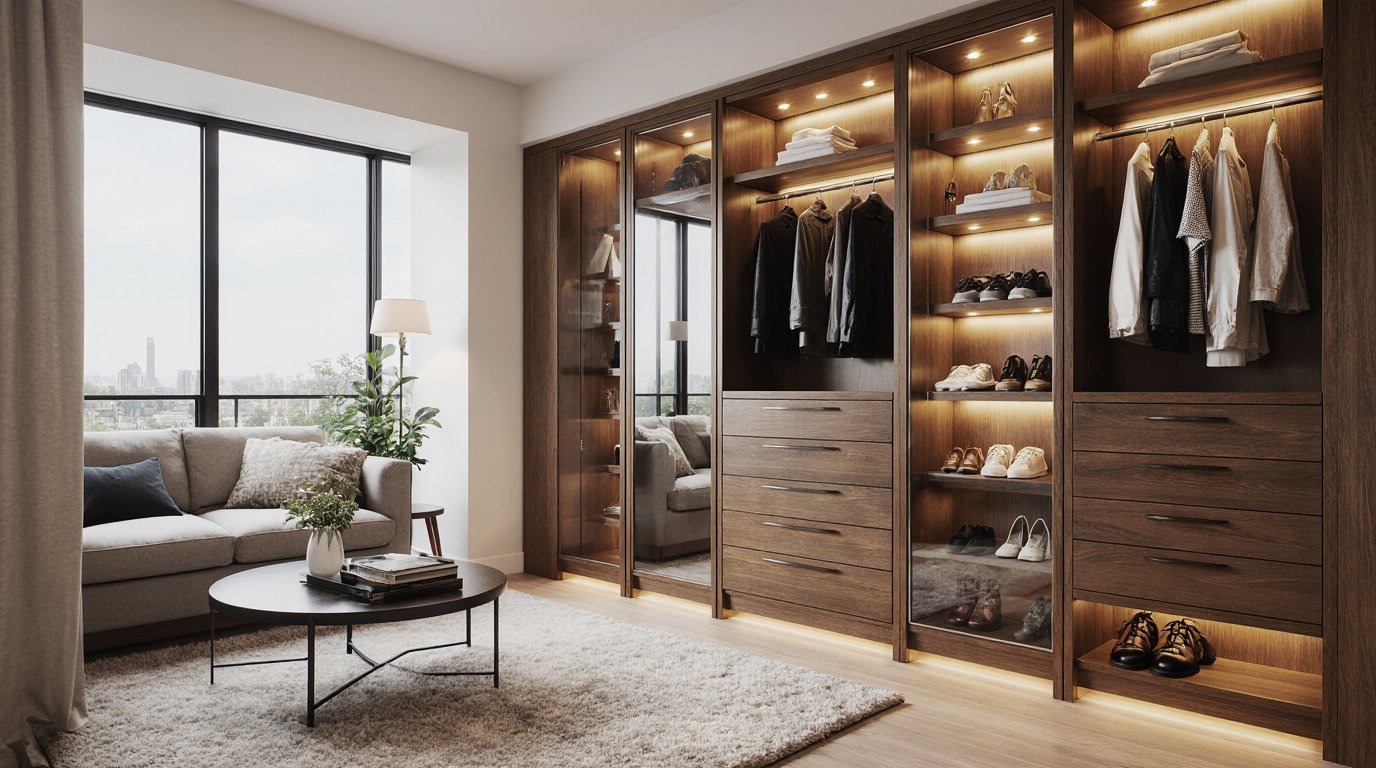
Designing a walk-in closet in Sarasota County presents a unique engineering challenge that standard cabinetry often fails. I've personally seen dozens of installations in Gulf-front properties, from…
Over years of working on custom cabinetry projects in Sarasota County, I’ve seen a recurring, costly failure in luxury walk-in closets: delamination and hardware corrosion. This issue is particularly…
In my years designing and building cabinetry for luxury homes across Sarasota County, I consistently address one critical failure in walk-in closets: premature material degradation. High humidity and…
During my years designing and installing custom closets in Sarasota County, I've seen the same structural failure repeatedly, especially in properties along the Gulf. Standard cabinetry materials sim…
In my experience designing and building walk-in closets across Sarasota County, I've identified a recurring point of failure: the devastating effect of coastal humidity on standard materials. I've se…
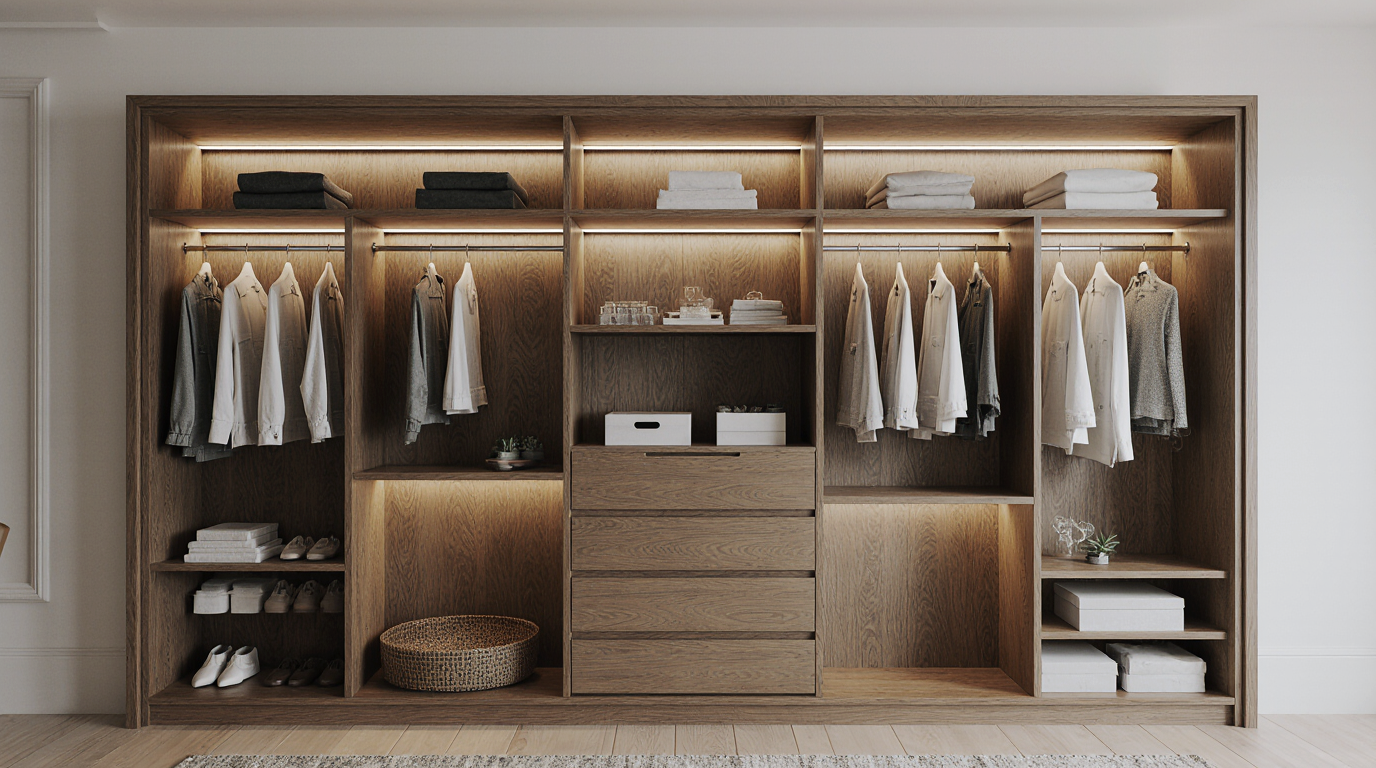
In my years designing and building closets for high-end residences along Sarasota's coastline, I've consistently seen the same point of failure: delamination and hardware corrosion. Standard cabinetr…
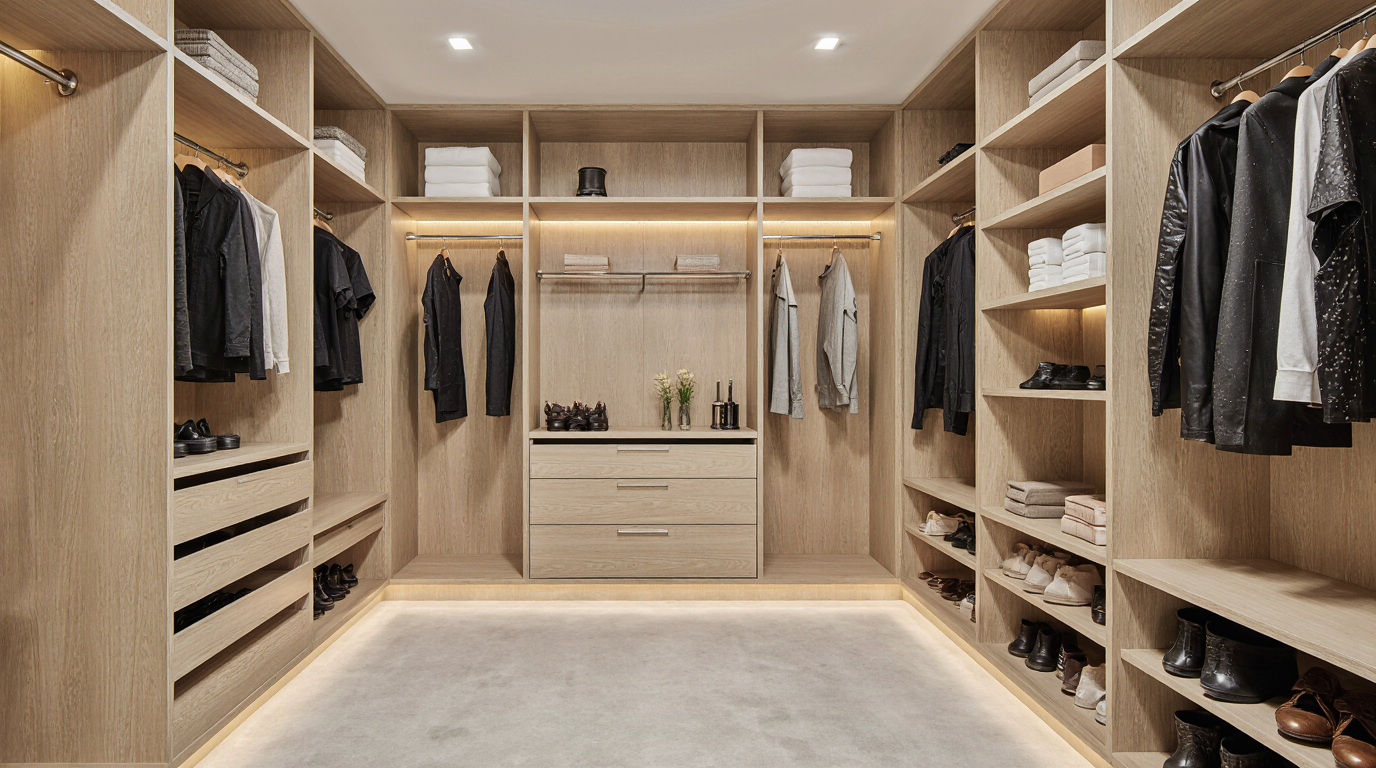
In my years designing and building custom closets across Sarasota County, I’ve seen the same structural failure repeatedly, especially in properties along the Gulf: moisture-induced delamination. Sta…
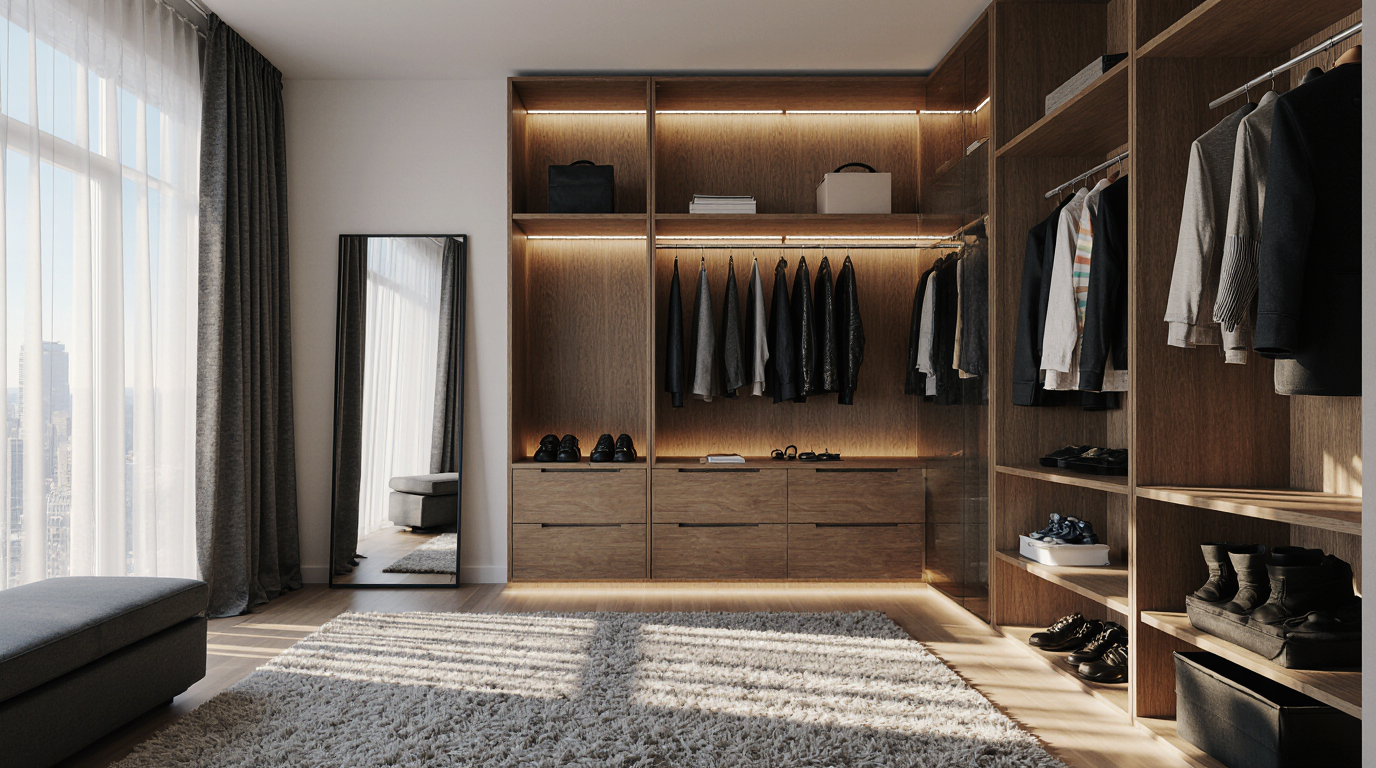
Over my years designing and building custom closets in Sarasota County, I've seen the same structural failure repeatedly, especially in properties along the Gulf: delamination and swelling caused by…
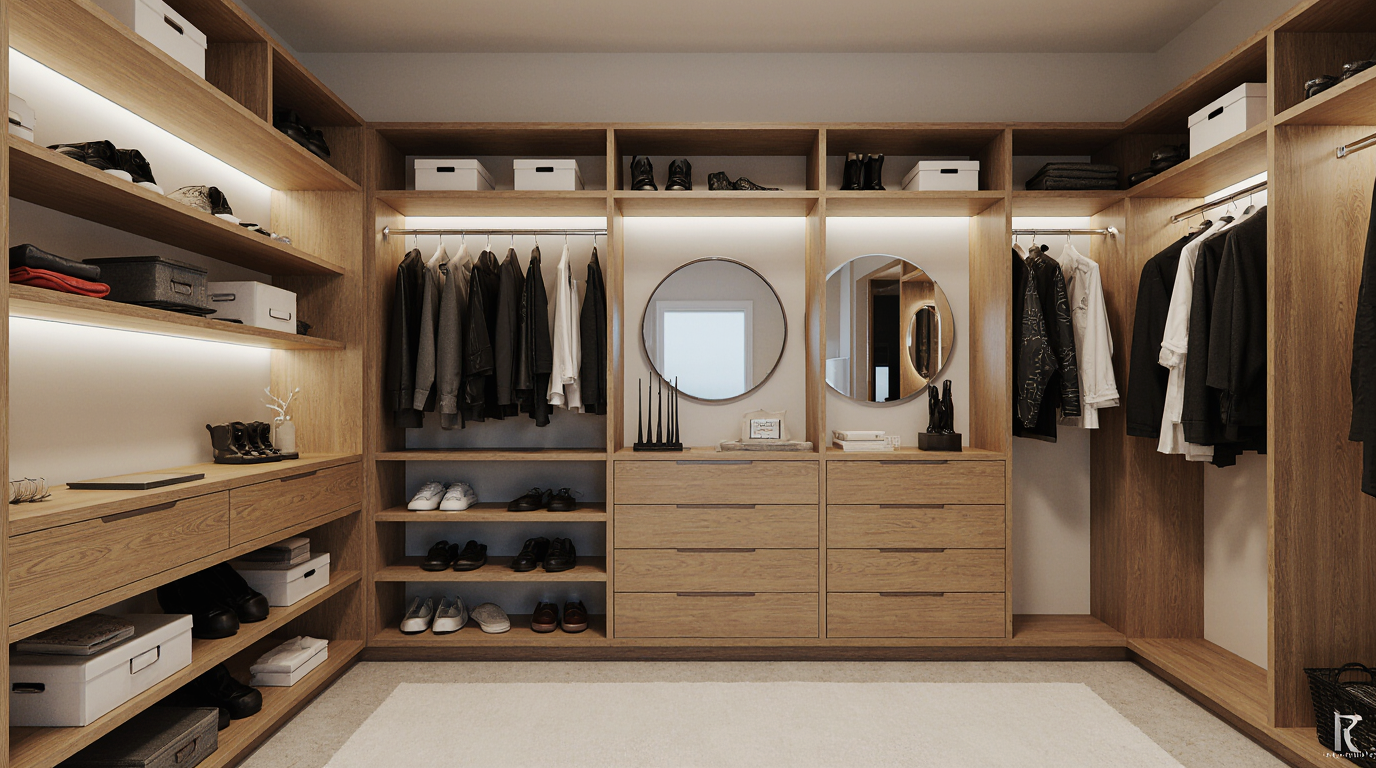
Over my years designing and building custom closets in Sarasota County, I've seen a consistent failure point in high-end homes, particularly those along the Gulf: moisture-induced material fatigue. S…
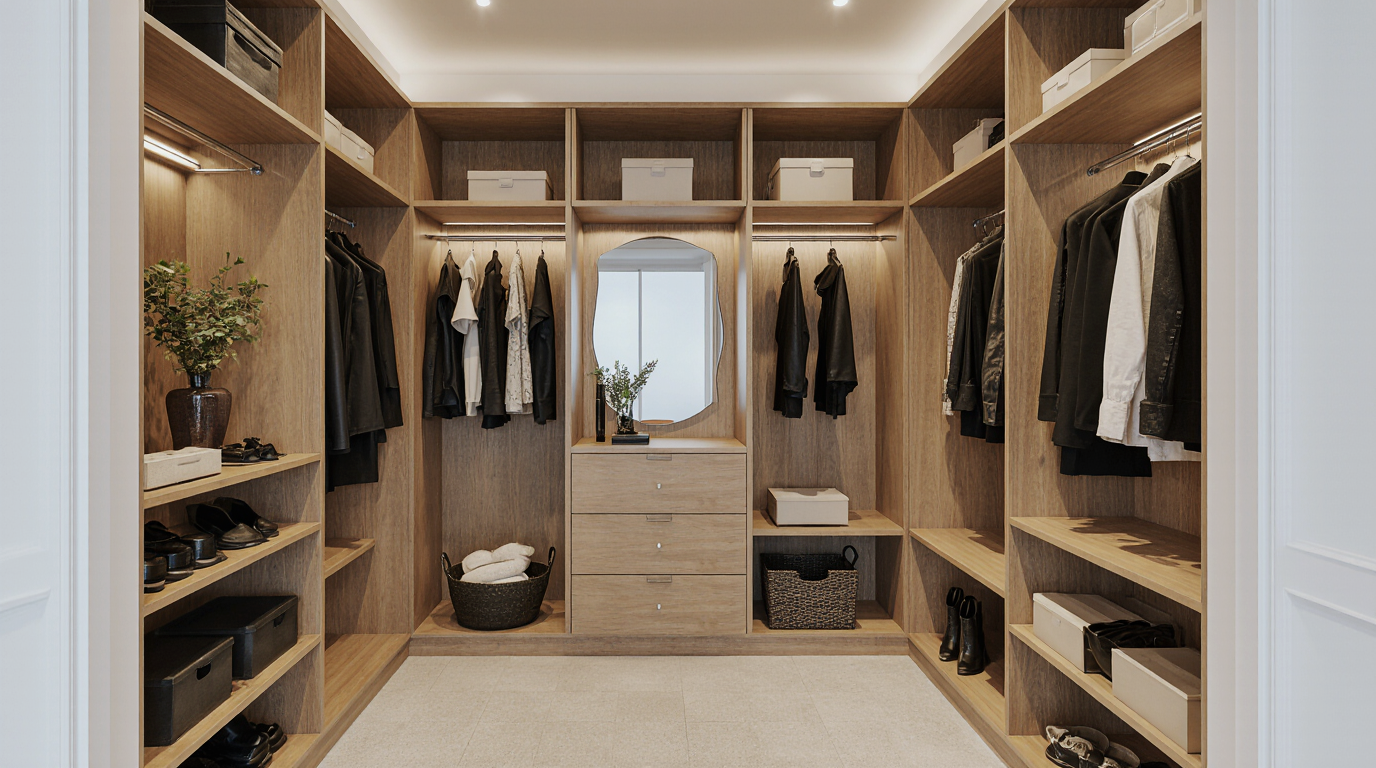
In my years designing and installing high-end closets throughout Sarasota County, I’ve seen the same critical failure point time and again: delamination and hardware corrosion. Standard materials sim…
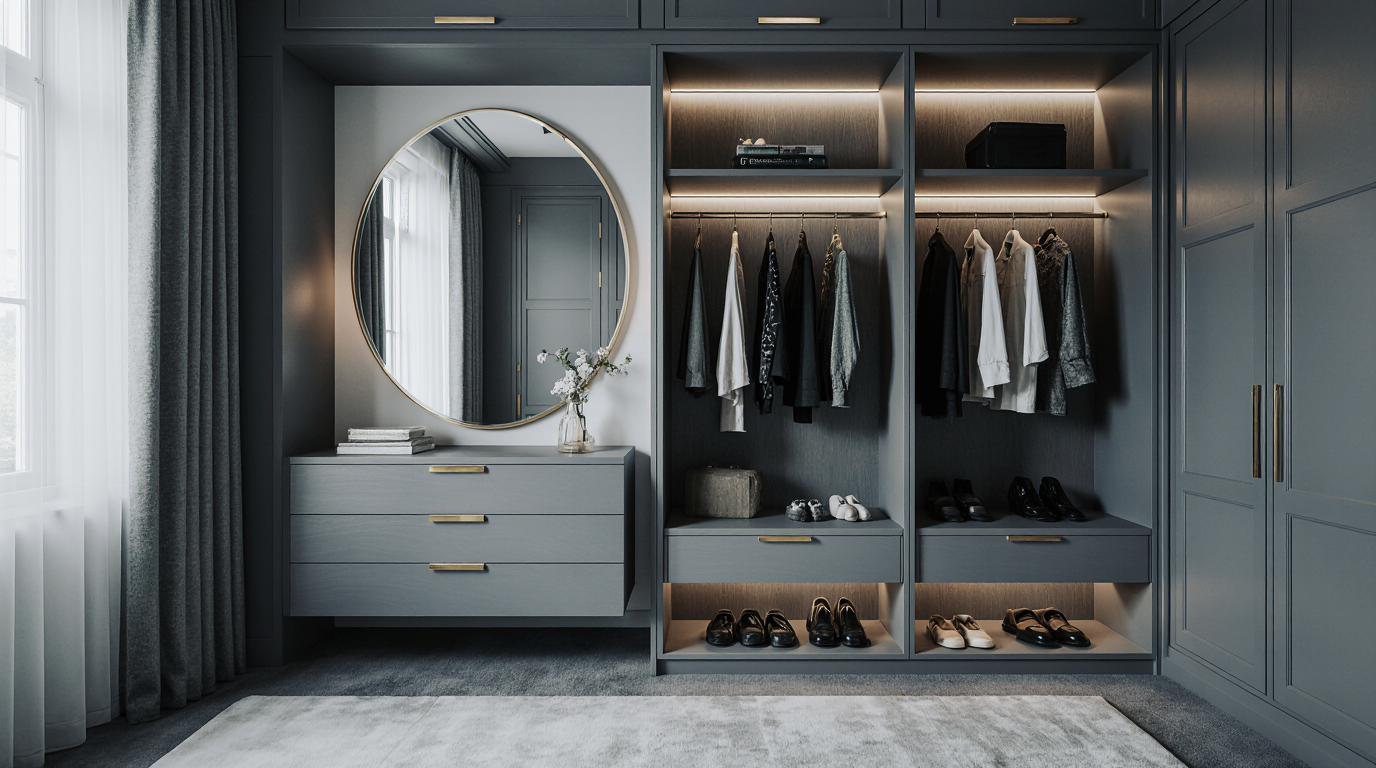
Over my years designing and building closets in Sarasota County, I’ve seen the same structural failure repeatedly: delamination and warping caused by our persistent coastal humidity. Standard cabinet…
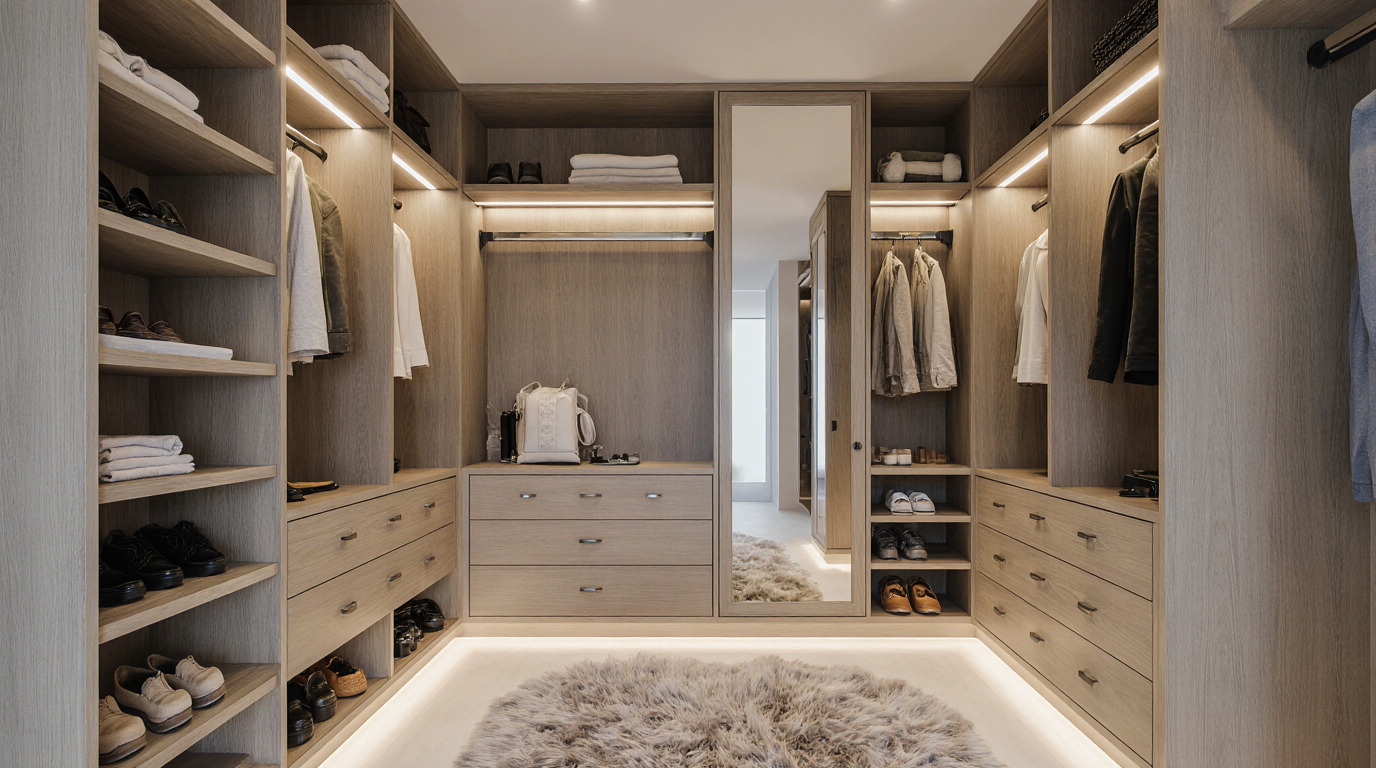
Working on luxury properties from Siesta Key to Lakewood Ranch, I’ve consistently seen modern closets fail not from design, but from material ignorance. The high humidity and salinity in Sarasota Cou…