The Premier Guide to Contemporary Laundry Room Design: Efficiency Meets Style
The contemporary laundry room is progressing from a basic, necessary alcove tucked away in a basement to a elegant, holistic design feature within the home. Current homeowners and designers alike recognize this space as a vital part of a efficient household operation, demanding both peak efficiency and a strong sense of style. Achieving this harmony requires meticulous attention to space planning, material selection, and the smooth merging of smart technology.
Fundamental to any successful laundry room arrangement is the workflow choreography. Analyze the journey of the laundry: movement from bedrooms, categorization, washing, drying, folding, and ultimately, storage or placement. An comfort-focused layout prioritizes minimizing steps and awkward postures. This is where the lifting of appliances becomes paramount. Installing washers and dryers on risers is no longer a premium feature reserved for high-end renovations; it’s a practical requirement that addresses user comfort, especially for tasks that require moving heavy items or prolonged standing. Beyond pedestals, the thoughtful positioning of the service basin—ideally sufficiently sized for pre-treating or manually cleaning fragile items—must be right next to or directly across from the primary folding surface. This adjacency creates an streamlined process for damp items.
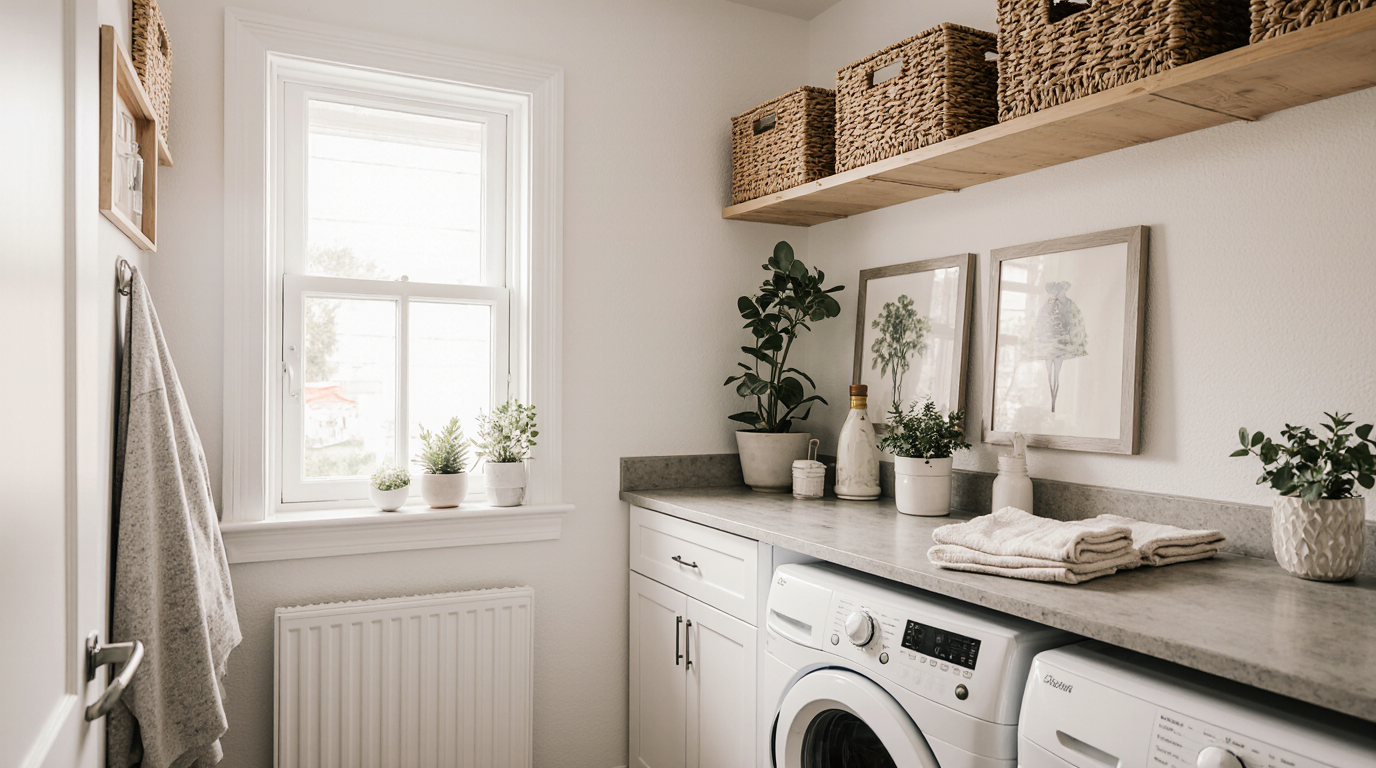
Countertops serve as the workhorse surface of the laundry room, and their selection indicates quality about the room's expected lifespan and style. While laminate offers budget-friendliness, quartz and natural stone, like calacatta or gabbro, deliver superior stain resistance and a high-quality look and feel. For a look embracing current organic modernism trends, materials with slight lines or matte surfaces provide elegance that requires little upkeep. Furthermore, designers are regularly choosing surfaces with varying heights or pull-out extensions that can be unfolded to create large work areas when needed and retracted to reclaim valuable floor space, a critical consideration in compact service areas.
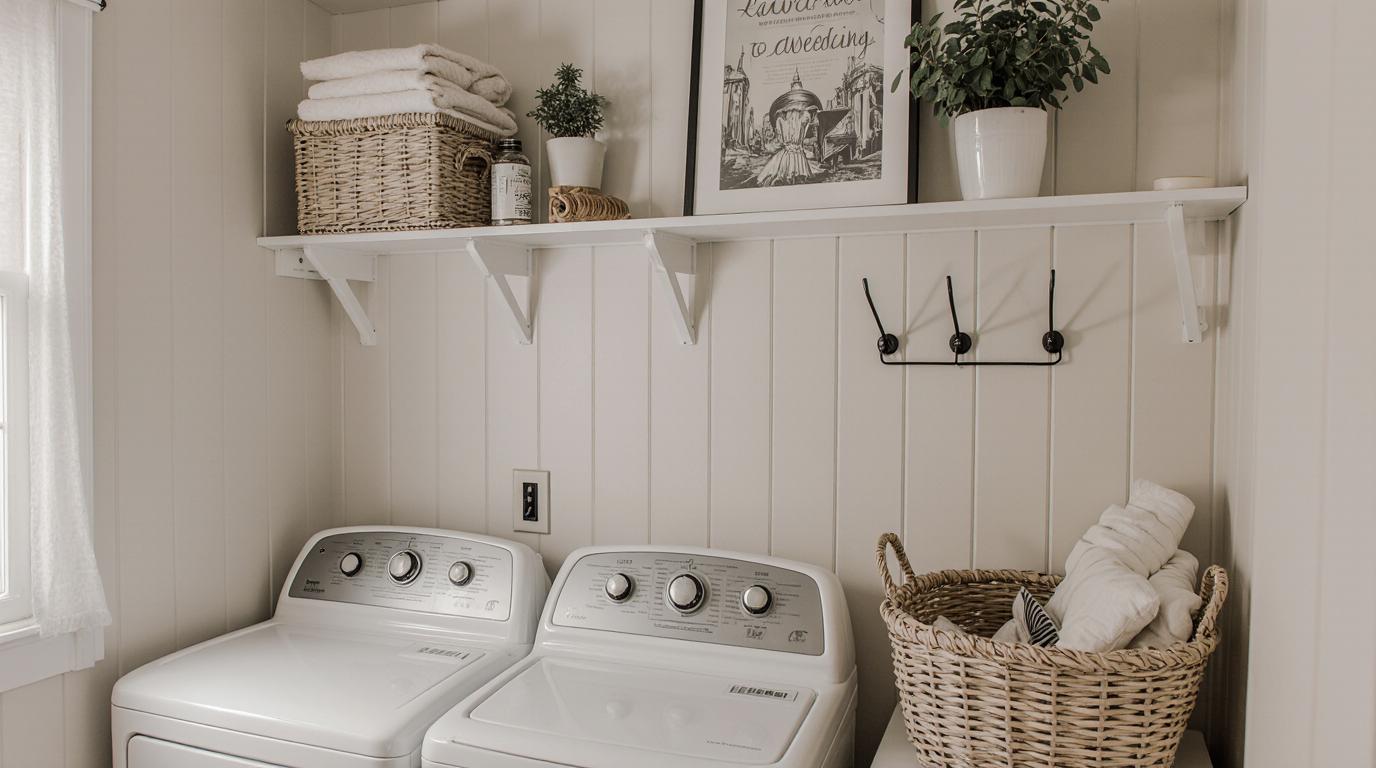
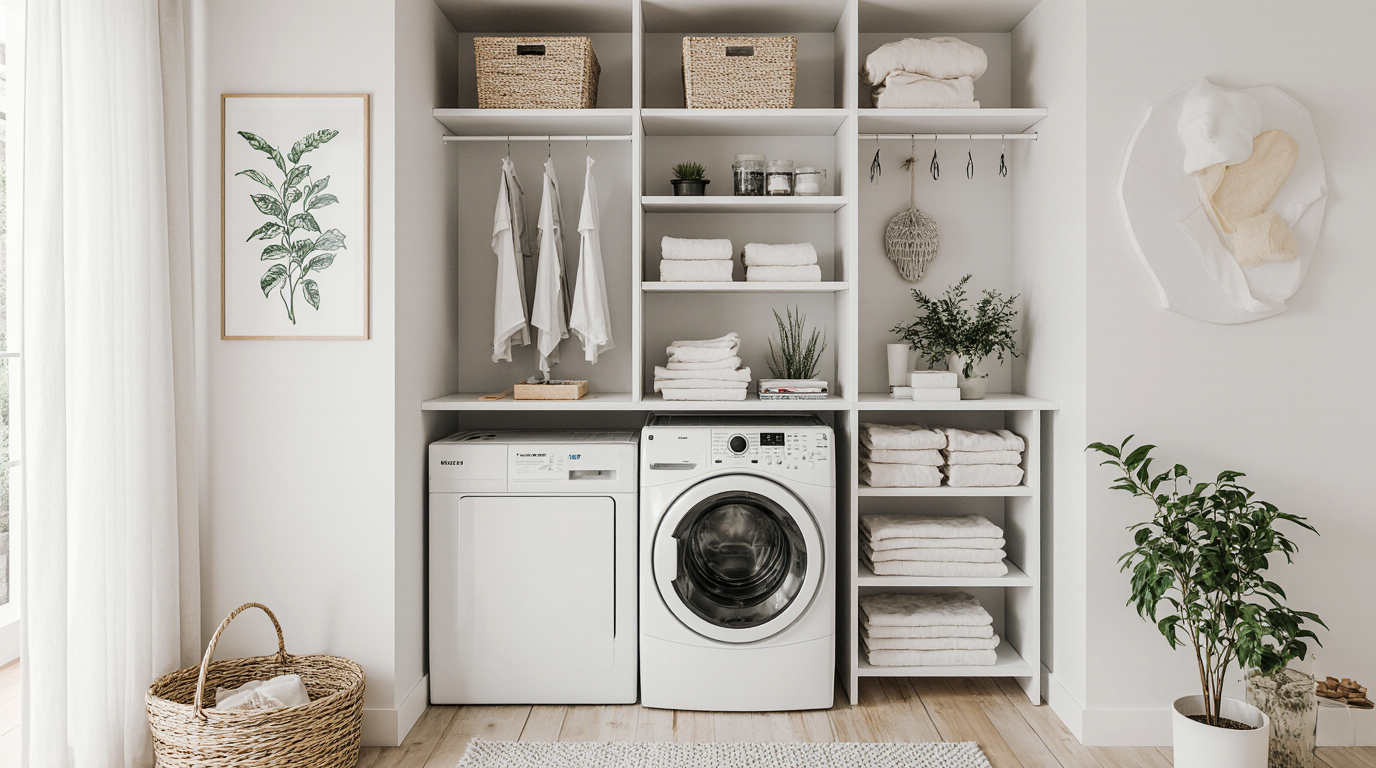
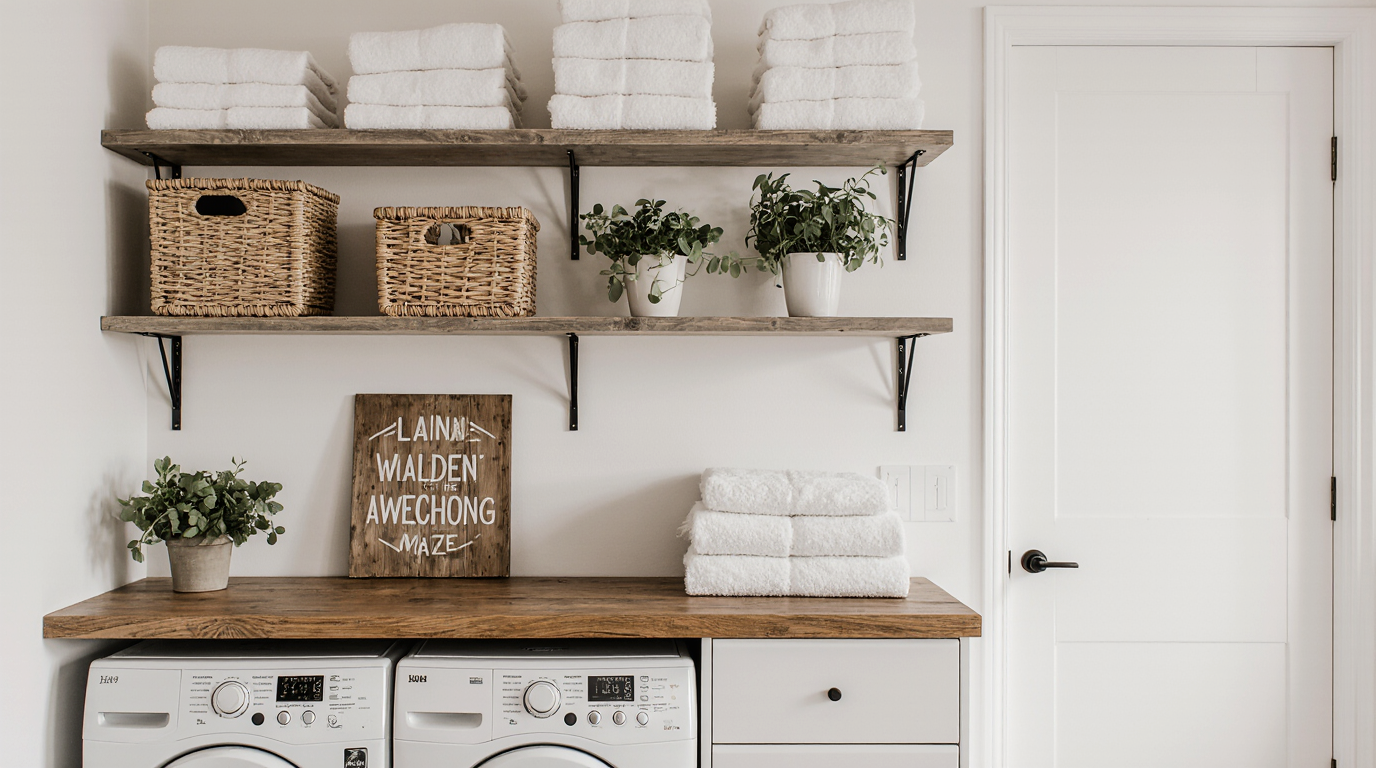
Cabinetry design is arguably most impactful feature in contemporary laundry design. The objective is to control mess through smart hiding solutions. Going beyond simple wire shelving, the trend heavily favors bespoke units with diverse organizational setups. Look past typical fixed shelves to include elements such as tilt-out hampers for immediate soil separation, slim drawers perfectly shaped for laundry liquids, and vertically oriented storage for pressing boards or cleaning tools. For those adopting sustainable building practices, making use of materials like reclaimed wood or woodwork coated in low-emission paint aligns functionality with sustainability goals. Exposed racks, when used, should be styled with thoughtful vignettes—using attractive containers like glass or bamboo jars for supplies—to add to the room's appeal instead of cluttering it.
Lighting design raises the status of the laundry room from a dungeon of chores to a luminous, inviting area. Layered lighting is the highest level here. Main lighting should come from overhead recessed LED lighting, providing clear, low-power background light. Crucially, focused light for work—such as under-cabinet LED strips—must be placed over every usable area. This eliminates shadows cast by the user, ensuring precise stain inspection and neat folding. If the room has unique structural features, statement pendant lighting over an central workspace or basin can add a stylish touch, contributing a unique flair.
The convergence of the laundry space with other home zones is a important shift. The combined entry and cleaning space takes advantage of serving two purposes, particularly in households with children. This requires careful selection of moisture-resistant flooring, such as large-format porcelain tile or premium synthetic floorboards, together with fitted seating and sturdy wall hangers for coats and athletic equipment. Alternatively, in homes with flowing layouts, the hidden laundry nook—where machines are completely hidden by fitted doors or sliding panels—maintains clean sightlines, promoting a sense of spaciousness when the area is not in use. This demands accuracy in unit sizing and airflow setup to control moisture build-up.
Machine incorporation is increasingly sophisticated. The shift to connected devices offers remote diagnostics, tracking wash status through phone apps, and significant gains in water and energy efficiency. In addition to the primary machines, the adding specific supplementary tools, like tall drying cupboards or built-in drying racks that retract flush into the millwork, showcases a commitment to streamlined processes that honor the room's uncluttered look.
Tonal schemes in 2025 tend to focus on creating a calming atmosphere. Natural tones, serene blues, and muted greens are popular, frequently combined with the texture of natural stone or concrete-look finishes on the floor. This contrasts beautifully with crisp white cabinetry or the deep comfort of moderately dark wood features. The objective is to design a setting that feels less like a service area and more like an intentionally decorated part of the primary home, encouraging users to linger and attend to tasks without feeling rushed or burdened by a dreary environment. The successful laundry room embodies operational intelligence presented inside a thoughtfully designed structure.