Cost of Kitchen Countertop Replacement: Evaluating Quality and Investment
During a kitchen remodel, homeowners frequently confront the crucial question of countertop replacement costs, as countertops serve not only as functional surfaces for cooking and meal preparation but also as defining elements of the overall kitchen style and ambiance. High-end countertop choices impact a kitchen’s functionality and style for years, emphasizing the need for a thorough evaluation of cost-driving elements. Homeowners often wonder why replacement costs vary widely, and this variation stems from material selection, labor requirements, design complexity, and installation challenges.
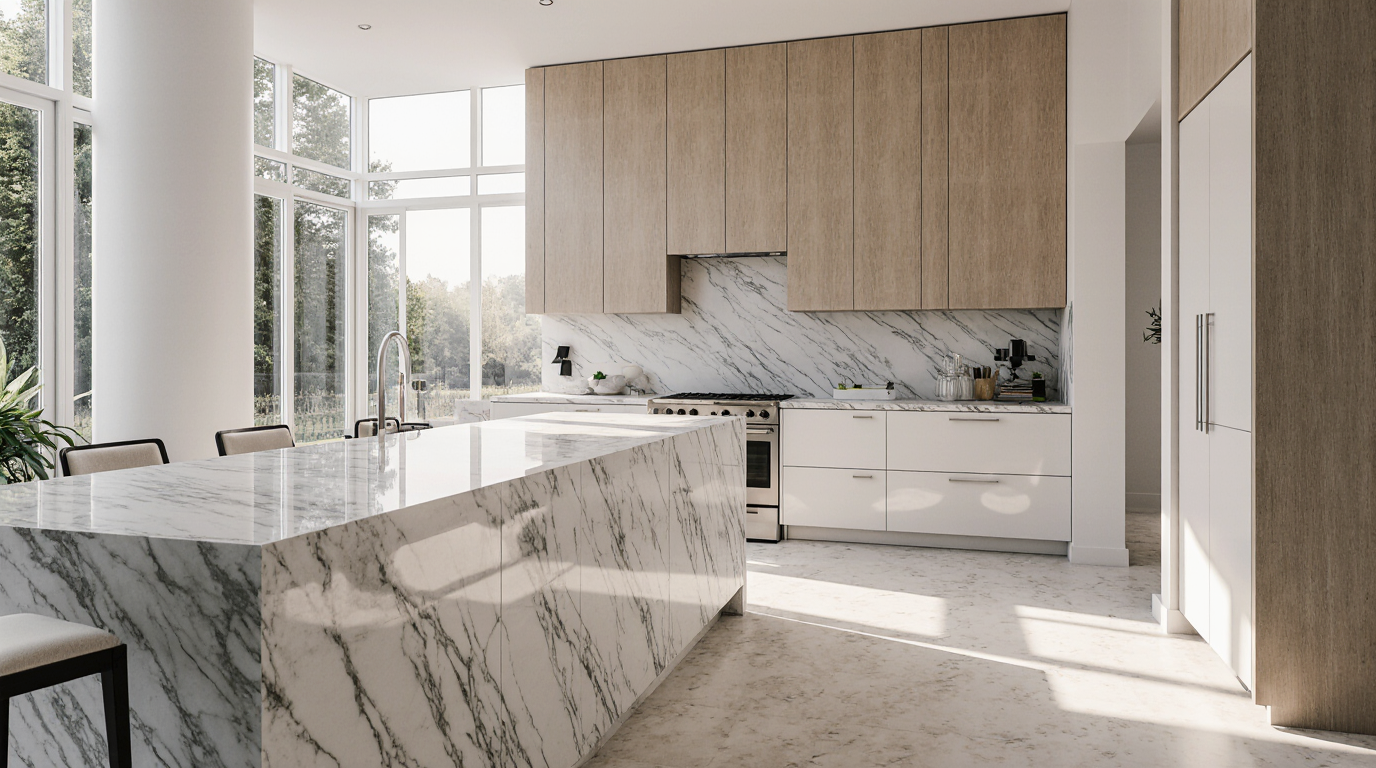
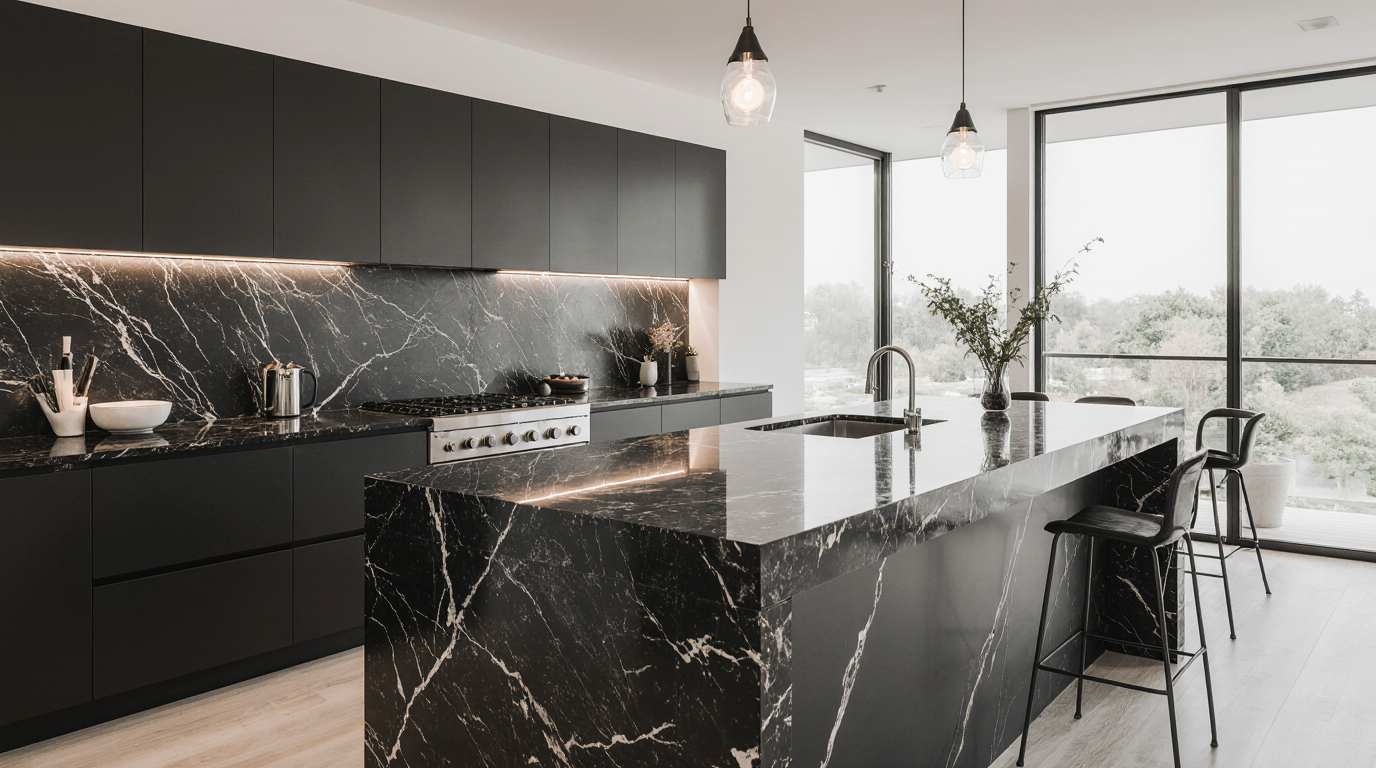
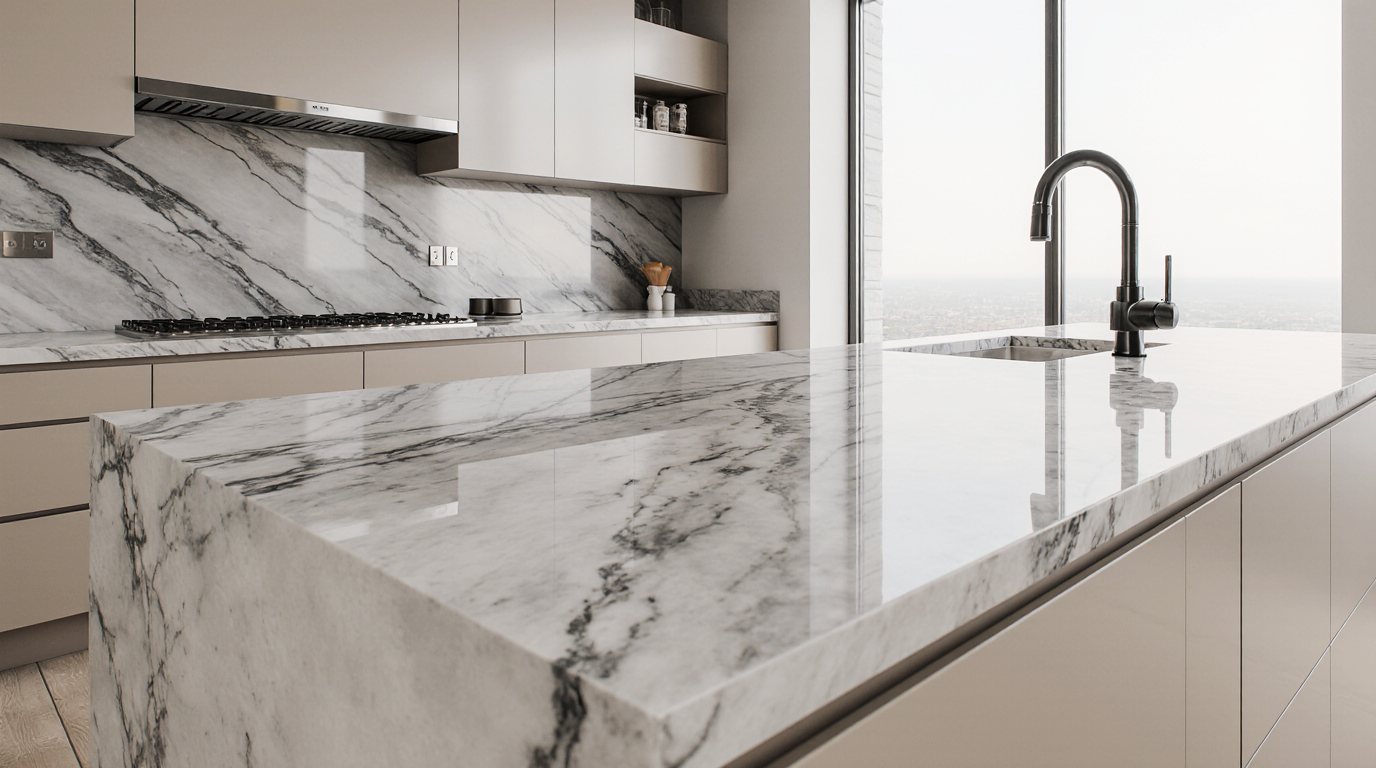
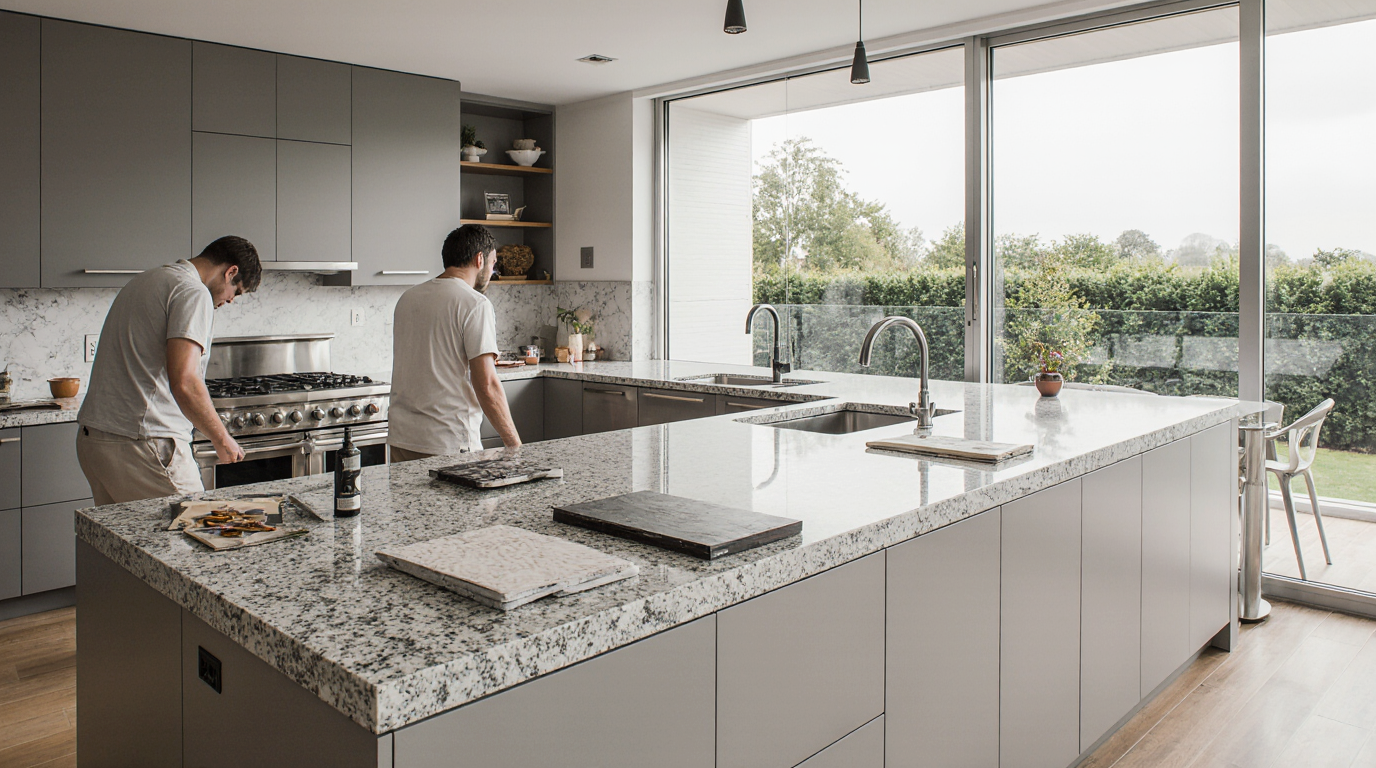
The type of material selected is arguably the most influential factor in total replacement expenses, since granite offers superior durability, elegant veining, and excellent heat tolerance, securing its place among popular selections. The cost spectrum of granite spans from standard to exotic slabs, heavily influenced by rarity, pattern intricacy, and slab dimensions. Quartz, prized for its non-porous surfaces, low maintenance, and consistent aesthetics, is slightly higher in cost but guarantees long-term reliability. Marble surfaces, admired for their aesthetic impact, involve higher maintenance, influencing overall investment. Meanwhile, solid surfaces such as Corian or other engineered stones deliver sleek, seamless finishes but vary in price according to brand, quality, and customization options.
Professional installation represents a significant fraction of the total cost, due to skill and precision required. The seemingly simple act of installing countertops actually involves complex procedures best handled by experts. Errors in installation risk functional and visual setbacks, including uneven surfaces, seam gaps, and potential material damage. Professional craftsmen ensure precise edge finishing, seamless joins, and perfectly leveled surfaces, crucial for dense stone installations. Labor fees escalate with complex layouts, L-shaped configurations, islands, and integrations such as sinks or backsplashes.
Older kitchen conditions may demand additional preparation work, influencing total expenses. Taking out old countertops often uncovers hidden complications such as cabinet adjustments or plumbing modifications. In older installations, additional work to accommodate new countertop specifications can substantially increase project expenses. Considering the longevity of materials is vital; while budget-friendly laminates offer low upfront costs, they wear faster, leading to earlier replacement and higher long-term spending.
Homeowners increasingly pursue unique design elements, with intricate customization influencing costs. Complex features such as waterfall countertops or embedded designs necessitate precise cutting and skilled craftsmanship, naturally raising labor fees. Executing waterfall designs involves meticulous alignment of slabs, careful fabrication, and increased attention to prevent chipping. Custom inlay work or intricate patterning adds significant labor intensity, thus increasing cost. Achieving a harmonious blend of design excellence and cost efficiency is crucial for a successful kitchen upgrade.
The durability and maintenance requirements of chosen materials play a key role in evaluating overall cost. High-quality quartz and granite surfaces offer low-maintenance durability, making them cost-effective over the long term. Marble surfaces, though luxurious, necessitate regular care to maintain appearance, adding subtle long-term costs. Knowledge of maintenance needs empowers homeowners to select materials that minimize unforeseen costs while maximizing aesthetic appeal. Selecting surfaces that suit lifestyle needs—frequent cooking, entertaining, or purely aesthetic presentation—ensures value optimization.
Regional factors and supply-demand dynamics affect pricing significantly. Urban centers often face elevated costs for labor and transport, while suburban or rural areas may offer more competitive rates but longer material lead times. Monitoring market trends and supplier deals can provide financial advantages, optimizing project expenditure. Professional kitchen designers can further improve cost efficiency through optimal layout and material selection guidance.
Choosing a reputable contractor is essential for a successful countertop replacement. Reputable installers manage project planning, material sourcing, and flawless execution, reducing risk of errors. They may also provide warranties on workmanship, protecting the homeowner’s investment. DIY attempts on heavy or complex surfaces are risky, often resulting in costly mistakes.
Ultimately, understanding kitchen countertop replacement costs requires a holistic approach considering materials, labor, design complexity, maintenance, and market influences. Investing in quality materials and professional installation ensures both sophisticated appearance and long-term functionality. Selecting surfaces that harmonize beauty, durability, and cost efficiency maximizes satisfaction. Detailed planning with awareness of these factors guarantees that countertop replacement enhances both visual charm and practical utility.
By understanding all cost drivers and implications, homeowners can achieve a kitchen remodel that combines elegance, longevity, and practical value.