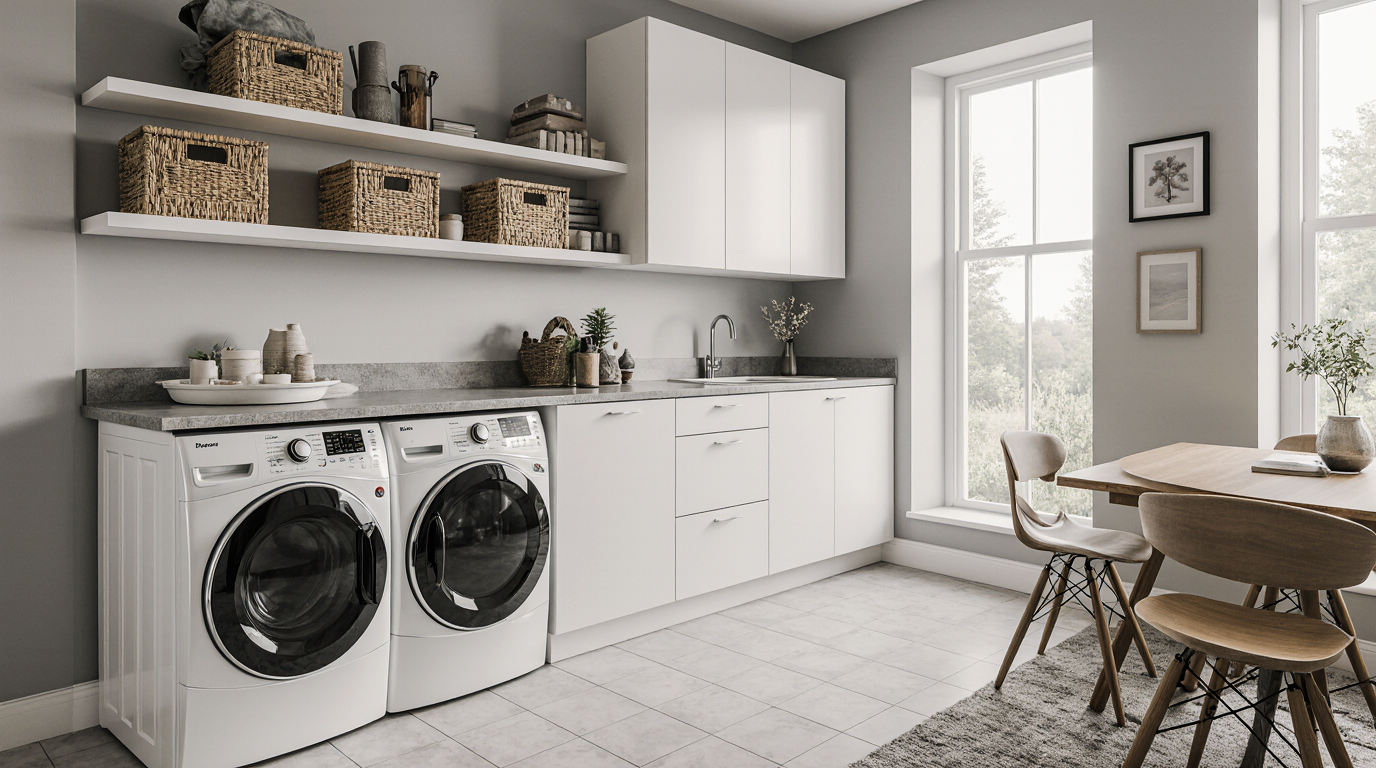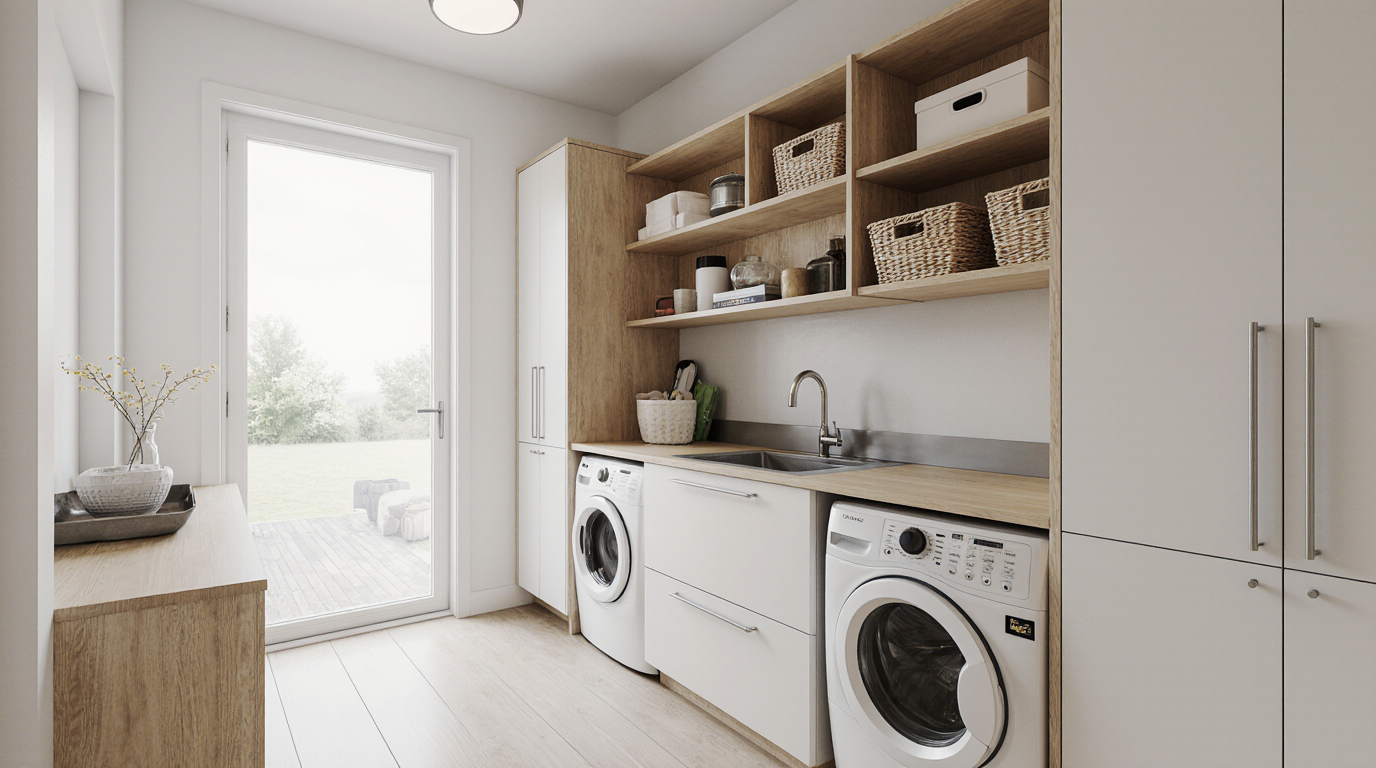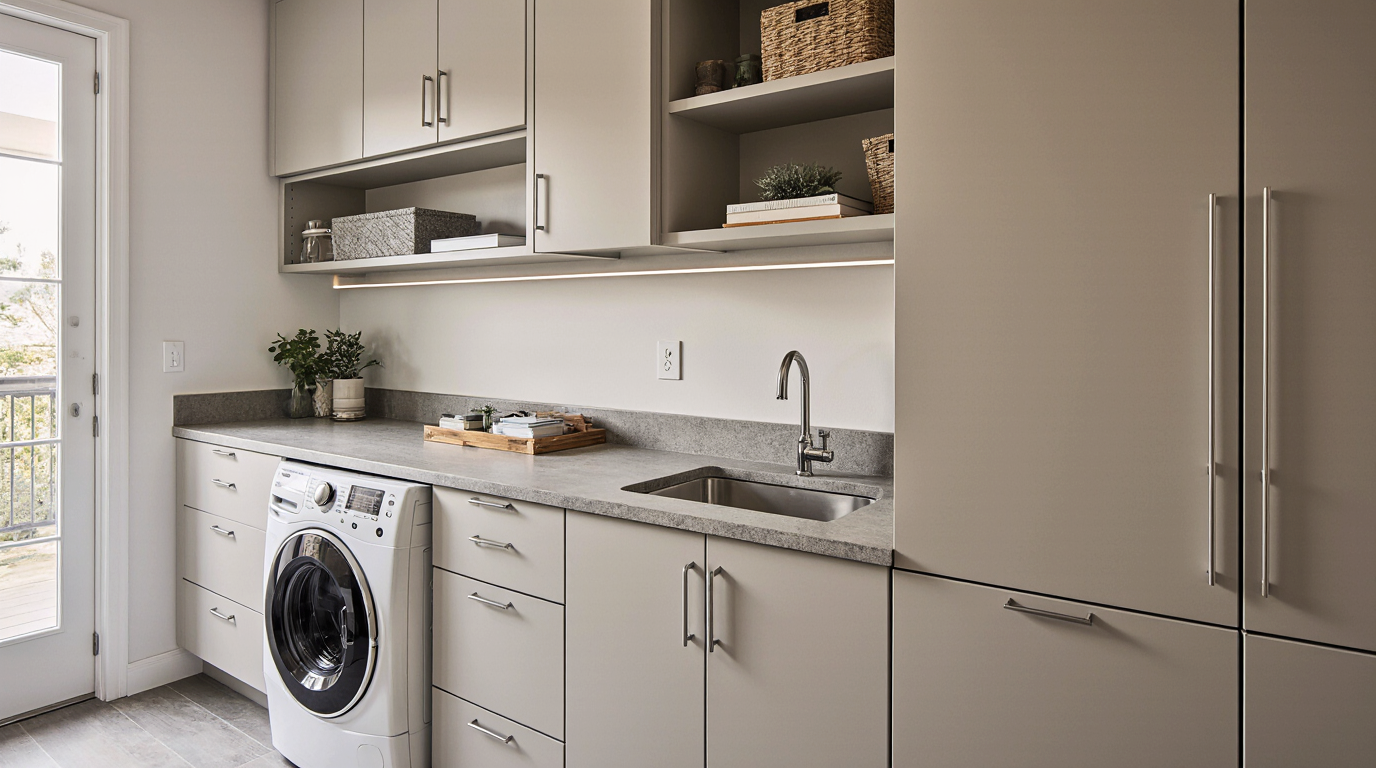
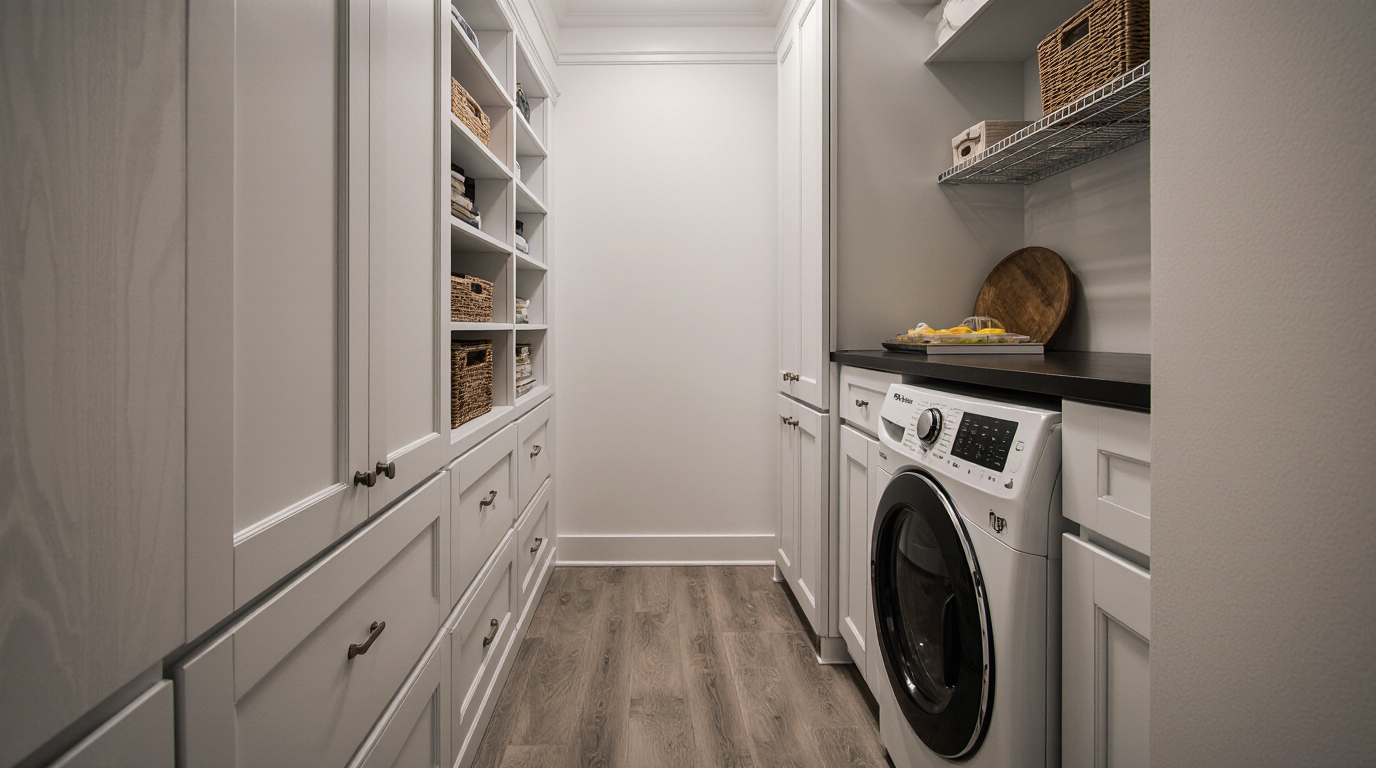
The contemporary home demands increased utility from every square inch, and the utility room, or laundry room, is a key area. We have moved beyond when this space was relegated to a dark, dusty corner. Today's utility room design is about achieving style alongside absolute practicality. This area should be a zone of immaculate organization, a place where the necessary task of garment care becomes an incredibly smooth process, supported by smart technology integration and thoughtful design choices that reflect the overall architectural narrative of your home. True design mastery in this space comes from seeing it beyond just a place for work, but as an additive part of your home, a hub for household management that deserves the attention usually reserved for main rooms.
One of the most important evolutions in contemporary design centers on elements that feel inviting yet last long. Moving beyond the purely utilitarian, consider the incorporation of sturdy wood or expansive, convincing stone-look tiles. This decision instantly elevates the room’s perceived value and comfort level. For surfaces, the focus is heavily leaning toward premium fittings and fixtures. Think beyond standard chrome; incorporating metallic highlights like satin bronze or oil-rubbed finishes injects a layer of unique refinement. The countertop selection is crucial. Materials like durable composites or subtly textured stone provide resilience and a pleasing feel provide the perfect surface for the meticulous act of sorting or folding. A deep basin sink, often inspired by farmhouse aesthetics, becomes indispensable is great for all hand-laundry needs without fear of water damage nearby.
The structure you impose governs the room's performance. Stylish storage solutions are not merely helpful; they are the foundation of a clutter-free workflow. Floor-to-ceiling units make the most of vertical dimensions, especially important in compact settings. These custom enclosures ought to have specific, marked sections—maybe premium slide-out bins or hidden receptacles to mask laundry until the wash cycle. For items used infrequently, like specialty supplies or extra bedding, high cabinets with gentle illumination enhance both look and availability. Furthermore, the often-overlooked task of ironing is streamlined by incorporating pull-out ironing boards concealed within drawers, preserving precious floor space when not in use. When space allows, an adjacent folding station—perhaps a dedicated butcher block surface or a deep counter extension—provides an ergonomic zone dedicated solely to finishing the laundry cycle.
Color palettes are largely influenced by clean, nature-inspired aesthetics from both the North and East, prioritizing uncluttered looks. This means using muted, restful greens, peaceful blues that suggest freshness, or rich, natural tones that harmonize well with exposed timber. The main goal is to prevent a cold, clinical feel. Where possible, open shelving made of thick, live-edge wood can display carefully chosen items—perhaps stacks of perfectly folded white towels or artisanal detergent bottles—adding texture and personality. Even the placement of the appliances can be a design statement; matching sets in a contemporary finish, such as matte white or slate gray, contribute to a cohesive look. Smart appliance integration is now standard, with washers and dryers that offer automatic load sensing and remote operation, signaling a move toward a less involved, more automated cleaning process.
The idea of a room serving multiple purposes is becoming very popular, particularly in homes with limited square footage. Designing a combination laundry and entryway space merges coming-and-going tasks. Incorporating things like a fitted bench with storage below—great for temporary storage of bags or shoes—and strong hangers for outerwear build a functional system right at the entry point. This combination necessitates hard-wearing, moisture-proof flooring that can cope with soil and wetness carried in from outside. On the other hand, if you work remotely, adding a narrow pull-out writing surface or a specially illuminated nook can turn the room into a short-term office, enabling you to manage tasks without taking away from the main laundry purpose.
The way you add personal touches is what really sets a great utility room apart. This room should seem welcoming and motivating, not cold and factory-like. It’s vital to bring in surprising decorative touches. A carefully selected accent rug can define a zone and add significant textile interest underfoot. A strong tile design along the wall behind the washer/dryer or sink—perhaps using geometric shapes or vibrant colors—can serve as the main attraction. Small elements, including framed antique laundry-themed art or up-to-date prints of rich foliage, inject necessary life into the area. Humidity-loving indoor plants, like the Spathiphyllum or Sansevieria, flourish in this environment, boosting air quality and gently contrasting with the strict lines of the equipment and storage. A superior utility room showcases comprehensive home design principles, a spot where top-tier function marries elevated fashion, ultimately creating an area that significantly improves everyday routines.