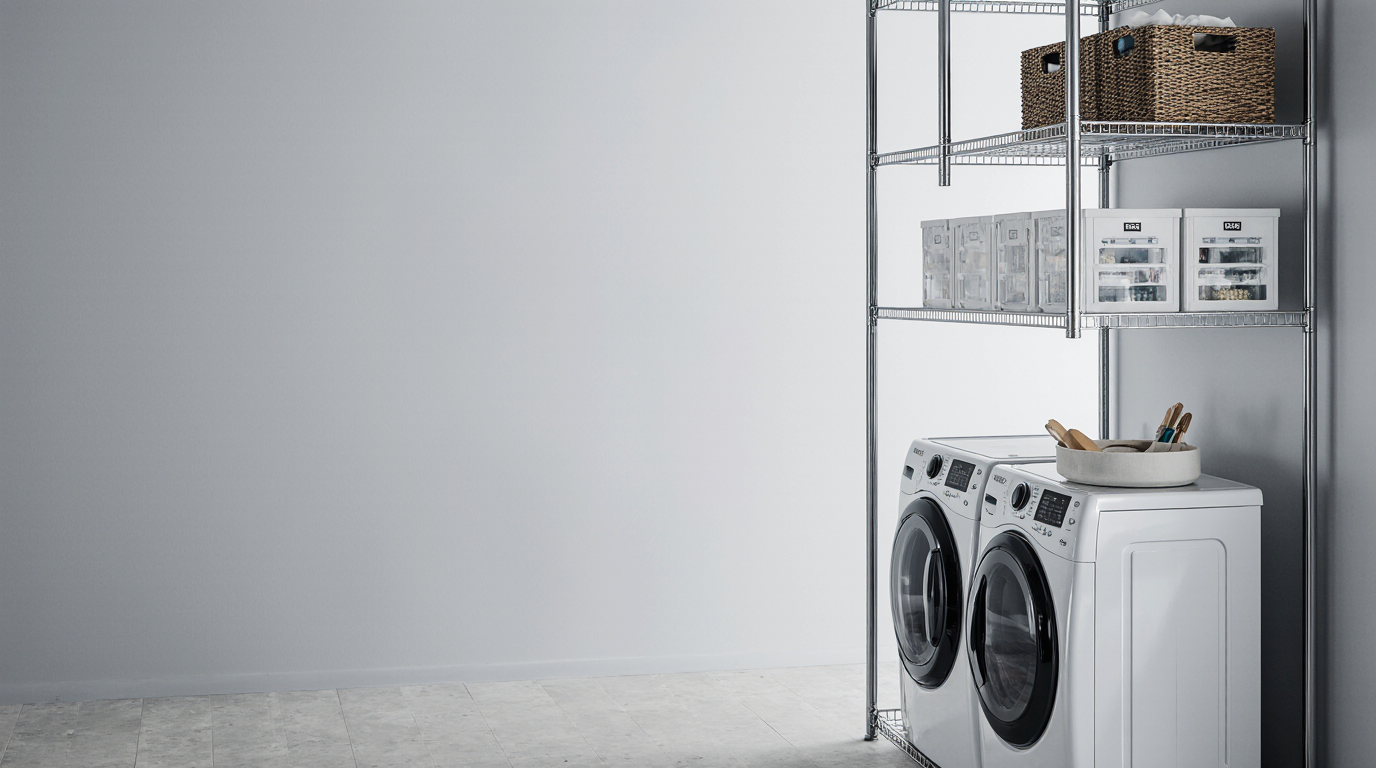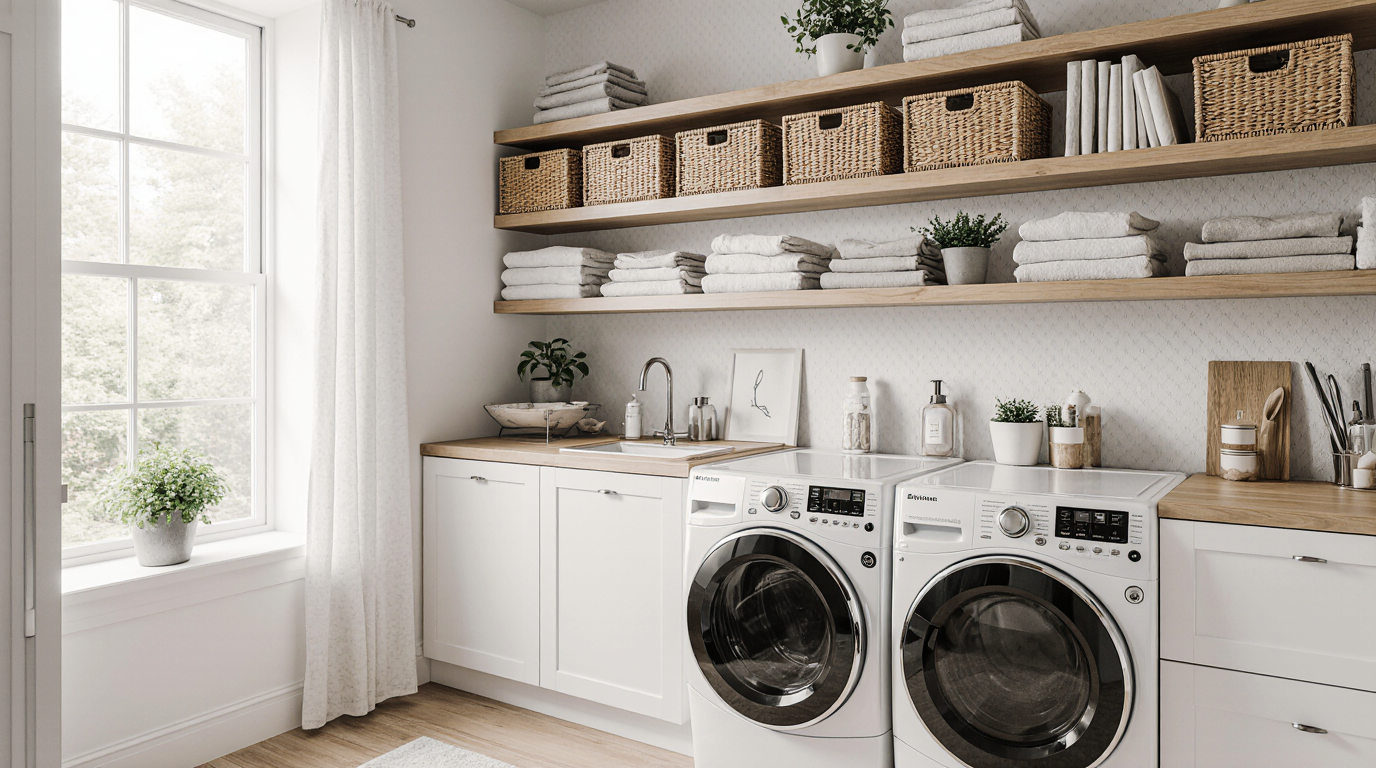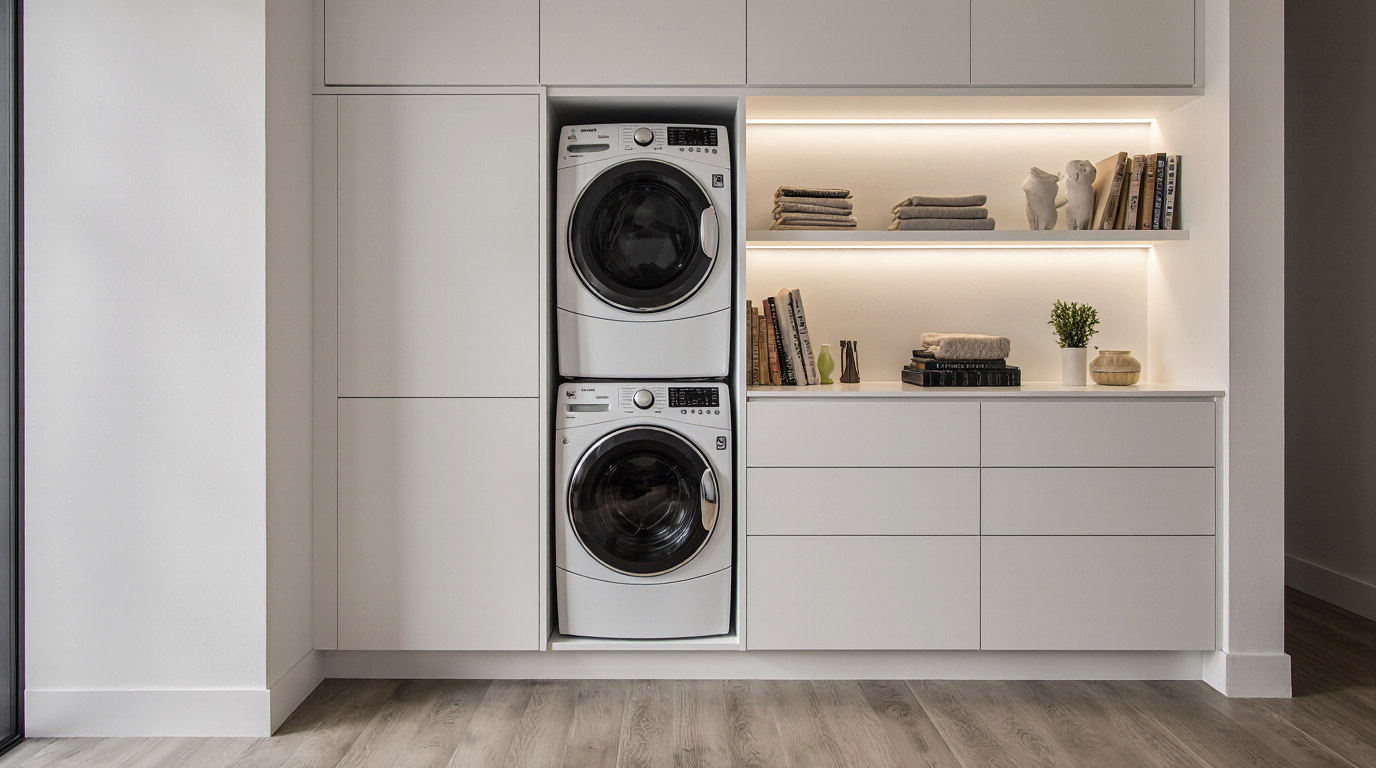
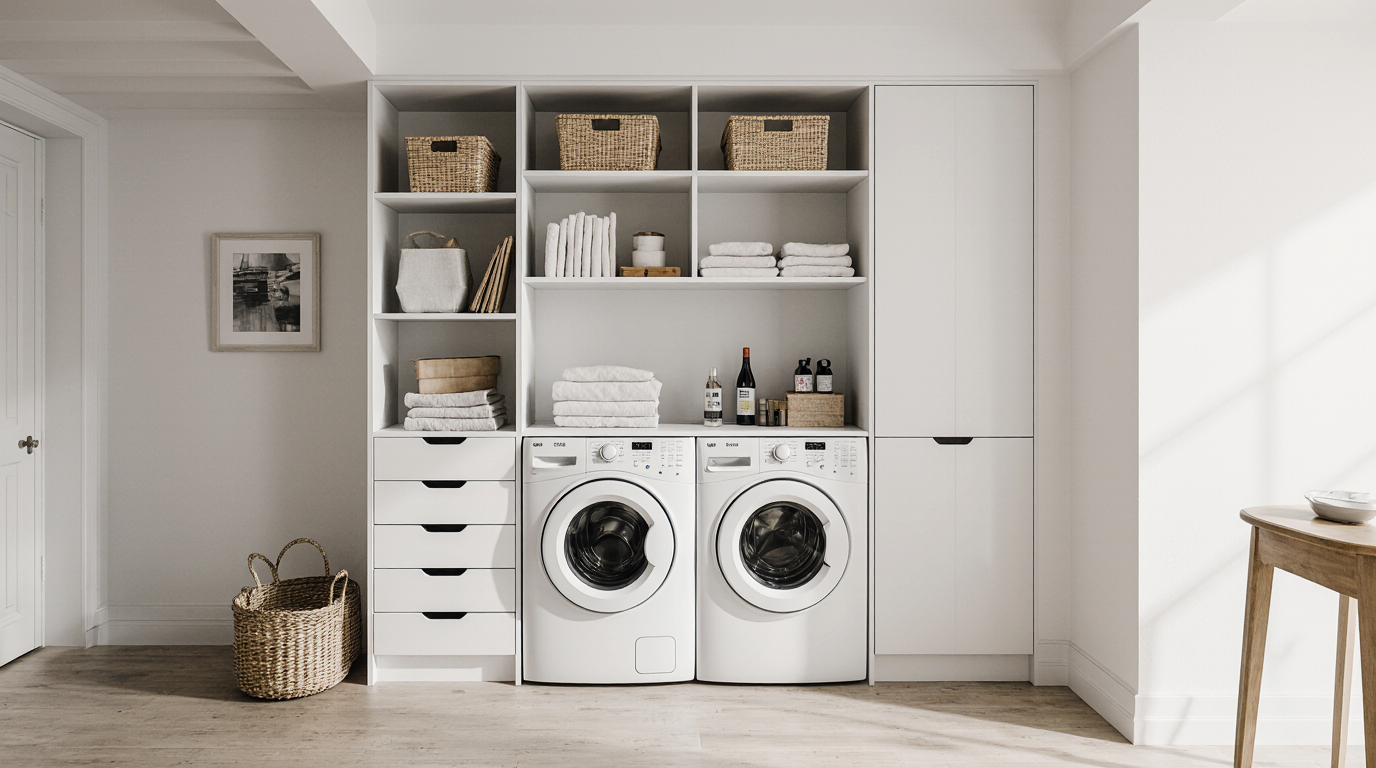
The evolution of the formerly plain laundry zone from a uninviting, utilitarian alcove into a highly functional and beautifully designed utility oasis is a defining movement in modern home design. At the center of this upgrading is the thoughtful implementation of customizable laundry room storage sets. These expertly designed systems move further than plain racks, offering a comprehensive approach to handling the often-chaotic routine of cleaning, airing, spot-removing, and tucking away linens and supplies. Achieving maximum efficiency in this space is largely contingent on picking a storage structure that is both ergonomically sound and seamlessly integrated with the home's interior. The idea of a modular system is highly desirable because it provides peerless design adaptability, allowing homeowners to configure the layout specifically to the spatial limitations and usage patterns of their specific room, whether it's a dedicated space or a cleverly integrated alcove.
A truly expert-level utility space layout emphasizes the sequence of tasks, typically adhering to a path: pre-sorting, washing, drying, treating/ironing, and final organization. The storage set should accommodate every step. Crucial features of a superior modular setup typically comprise base cabinets that offer a solid foundation and conceal pipes, wall-mounted cabinetry to make the most of vertical space—a critical factor in limited spaces—and seamless countertop surfaces. These benches are simply for show; they are the primary folding zones and quick-prep surfaces. Selecting durable, non-porous materials for these surfaces, such as quartz or solid surface acrylics, guarantees they withstand moisture, detergent spills, and the load of stacked baskets. The surface height should align perfectly with the top edge of the appliances, creating a seamless transition that facilitates the efficient transfer of freshly dried items directly from the dryer to the folding area, thus minimizing redundant effort and reducing the chance of clothes piling up on the floor.
The cabinetry itself is where the true organizational magic takes place. Departing from generic shelving, high-end modular systems incorporate specialized inserts. Ponder the handling of cleaning agents. Large containers of detergent, liquids, and pre-treatment products require dedicated, dust-free environments. Deep-drawer systems part of the base cabinets are much better to standard lower shelves, as they enable the complete visibility and easy retrieval of items placed at the rear. Many superior sets now come with pull-out hamper solutions built directly into the base units. These are game-changers, permitting soiled garments to be sorted by color or fabric type at the point of entry into the laundry zone. This one element greatly minimizes clutter and streamlines the entire sorting process, transforming what used to be a heap on the floor into an organized receptacle.
In addition, the principle of vertical utilization is fundamental to optimizing space. Tall pantry-style cabinets integrated into the modular design deliver hidden storage for items that are used infrequently or that need to remain completely out of sight, such as extra linens, seasonal ironing boards, or less common deep-cleaning tools. Contained in these taller units, adjustable shelving used alongside specialized fittings, like chrome hanging rods near the ceiling of the cabinet, allows for the temporary storage of items needing to hang or items best left to drip dry, preventing wrinkles prior to being put into the closet. For tiny essentials—clothespins, dryer balls, lint rollers—the addition of drawer dividers or custom in-cabinet trays ensures that every tool has a designated home, eliminating the frantic search that wastes precious minutes on laundry day. This level of detail demonstrates design mastery and commitment to functional excellence.
A hallmark of premium laundry room design means tackling not only the aesthetic and the practical aspects of moisture and air quality. While the storage set directly doesn't directly control humidity, the design should facilitate a healthy environment. Incorporating utility sink surrounds as part of the modular configuration, often with specially sealed cabinetry underneath to guard from leaks, is crucial. The storage adjacent to the sink area can be used for specialized spot-treatment chemicals, brushes, and cleaning implements that benefit from being near the water source but must be contained. The visual impact of these modular systems is equally important for creating a space where you actually enjoy spending time. Modern sets often feature finishes that mimic fine kitchen or bathroom cabinetry—think shaker-style doors, smooth matte laminates, or perhaps wood-grain textures—complemented by contemporary hardware like brushed nickel or matte black pulls. This elevates the space from purely functional to a true extension of the home's overall interior design philosophy.
For the committed laundry enthusiast or a busy household, the integration of an ironing station is a non-negotiable feature that a well-designed modular set can effortlessly accommodate. Many advanced units offer a pull-out ironing board tucked into within a drawer or cabinet section, which extends and locks into place over the main countertop, creating a stable, heat-resistant surface without permanently consuming floor space. This changes a narrow utility closet into a complete garment care station instantly. Moreover, considering the longevity of the appliances themselves, placing the storage units around them correctly enables necessary service access. A truly customizable modular system accounts for the required clearance around washer and dryer doors—especially front-loaders—and provides necessary access panels or removable toe-kicks for technicians, showcasing a forward-thinking approach to home maintenance integration. The strategic placement of task lighting within the cabinetry—LED strips under upper units or behind glass-fronted sections—further enhances the usability and visual appeal of these integrated storage solutions, ensuring that sorting light colors under the dryer is never hampered by shadows. The investment in such a cohesive system is an investment in domestic streamlining and long-term home value.