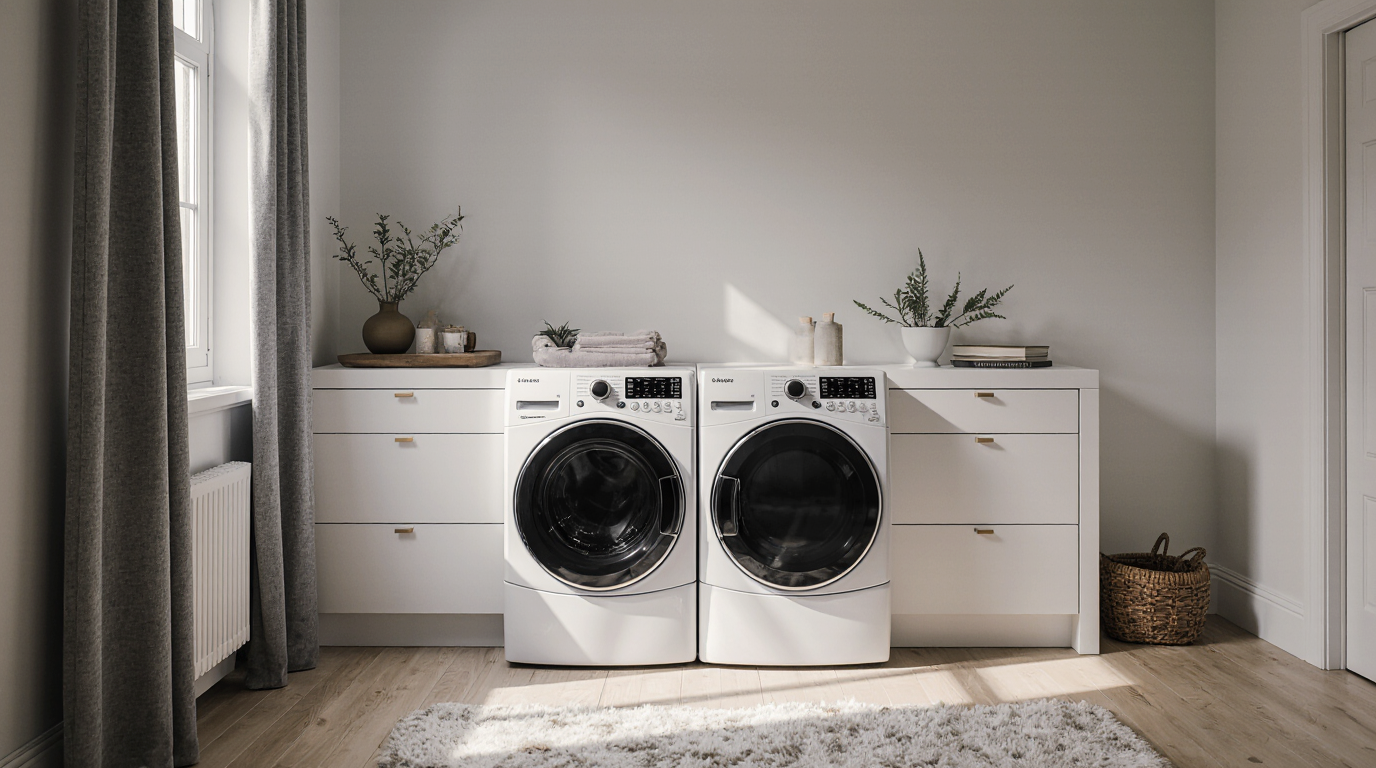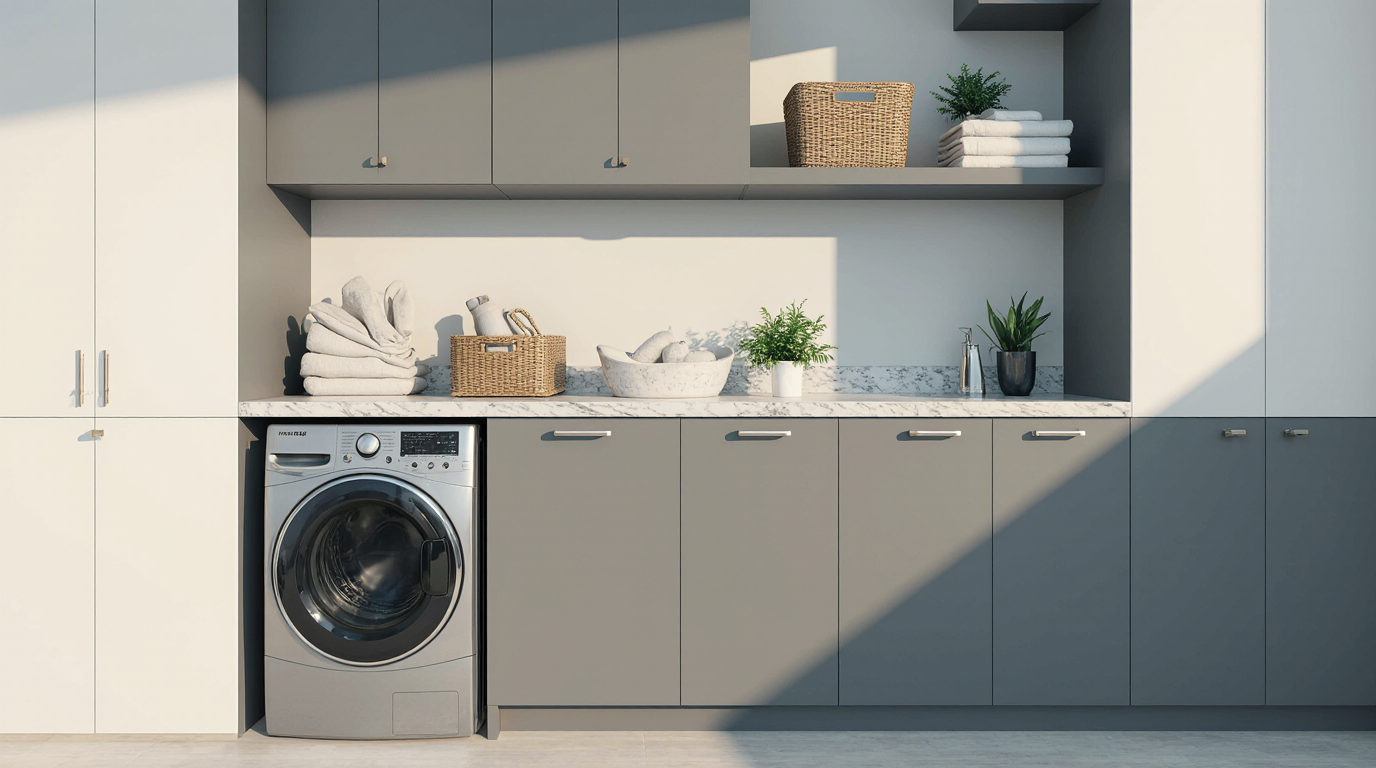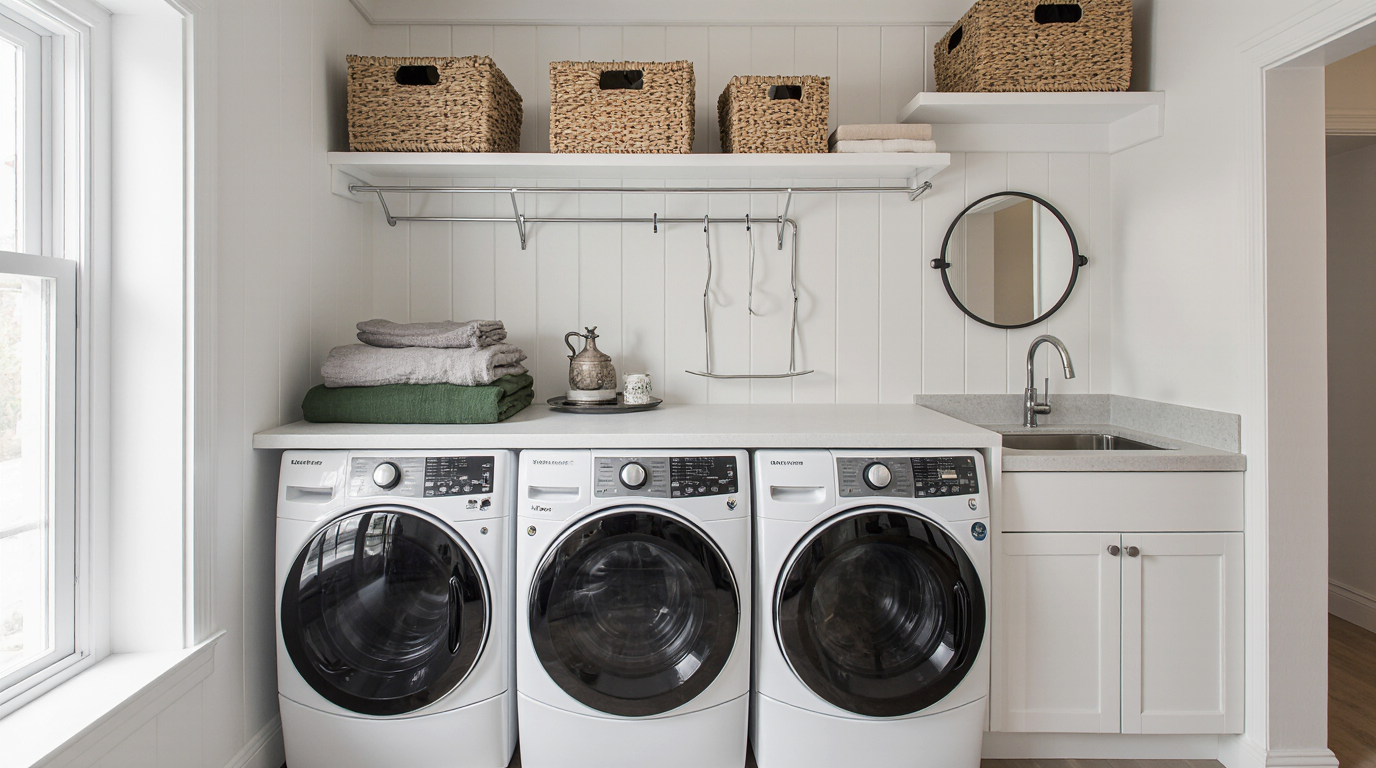
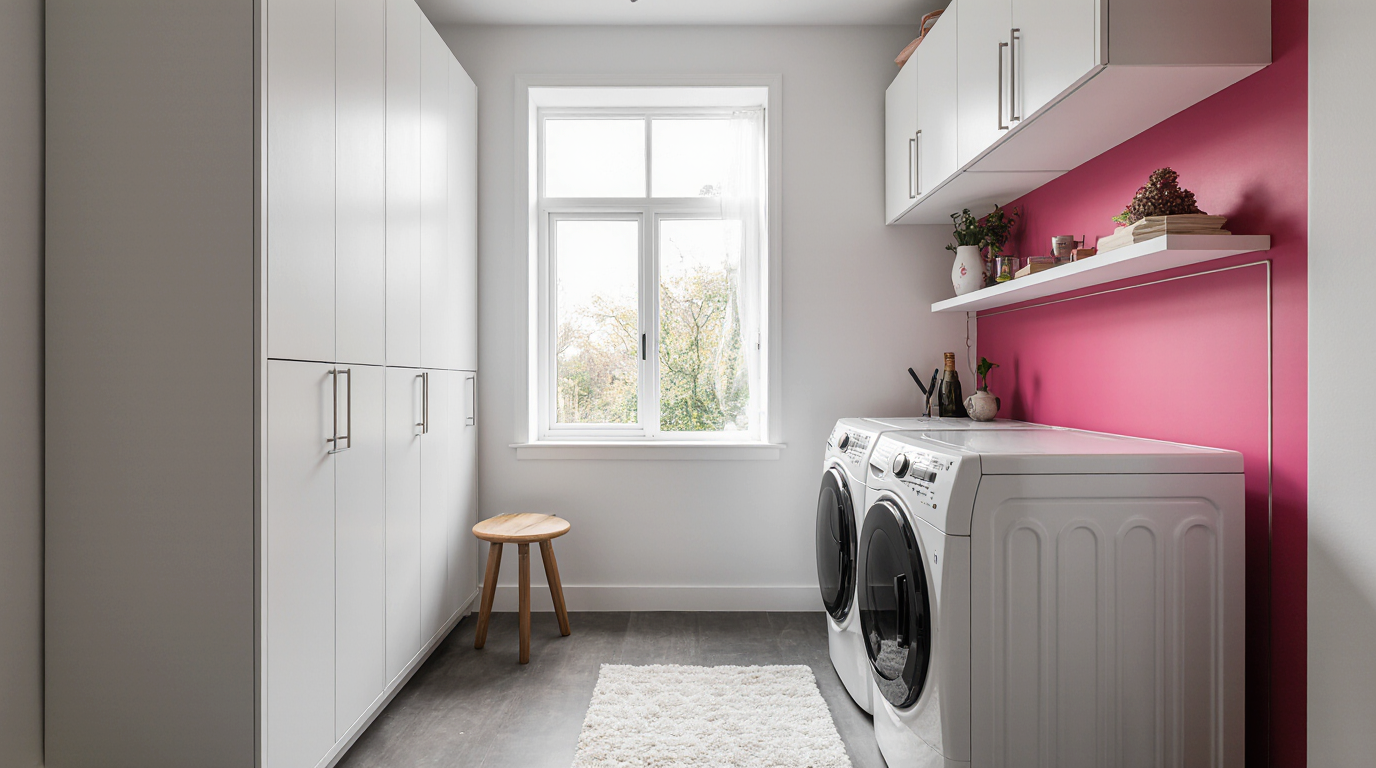
The modern laundry room is undergoing a remarkable evolution, evolving from a strictly functional secondary concern into a meticulously designed, dual-purpose hub of streamlined living and comfort. Gone are the days when this space was relegated to a gloomy, damp corner of the basement. Current trends integrate aesthetic innovation and human-centered design to foster an ambiance where even the most tedious tasks become effortless. Making this shift a reality necessitates a deep dive into bespoke cabinetry, smart technology integration, and a focus to eco-friendly products.
A key component of high-end laundry design revolves around efficient operation. This is not merely about where the machines sit; it is about the complete process of a garment, from dirty clothes basket to folded perfection. Human engineering is key. A common oversight is the unvarying height of conventional countertops. In contemporary design, we recommend counters set at a tailored waist level, often near 920 millimeters or even 1000 millimeters for taller individuals, significantly mitigating musculoskeletal strain resulting from prolonged bending over folding surfaces. Furthermore, washer-dryer units should ideally be elevated onto designer risers, bringing up the drum opening to a convenient reach, avoiding the repeated, back-straining bend. The strategic placement of machinery should also prioritize an open pathway—if designing a narrow room, make certain doors swing outside the main work triangle to maintain access and accidental bumps during load transfer.
Clever storage solutions separate the experience between mess and order in a optimized laundry. Flexible shelving units are a rising trend for their customization, allowing homeowners to reconfigure shelving as life shifts. We highly recommend the use of pull-out hampers or hidden compartments tucked under the countertop or flanking the machines. These systems, often equipped with distinct compartments for pre-sorted loads, accelerate the sorting stage and do away with the visual clutter of piles of clothes. Floor-to-ceiling utilization is crucial strategy in optimizing smaller footprints. Making use of the height between the overhead cupboards and the ceiling with a top tier of closed storage tucks away infrequently used supplies like seasonal cleaning agents out of sight. For frequently accessed items—washing products—open timber ledges provide accessible storage while adding a touch of organic texture, often in contrasting wood tones to suit contemporary palettes. For items that must air dry, look into using a retractable drying rack that folds flush against the wall or ceiling when not in use, avoiding the intrusion of a clunky, fixed rack.
The incorporation of premium fittings and fixtures transforms the room from functional to luxury utility. Look past standard chrome. The introduction of various metal finishes on cupboards and taps adds a sophisticated, jewelry-like quality. Oversized farmhouse sinks, ideally made from durable materials like non-porous material rather than traditional porcelain, provide plenty of room for manual cleaning tasks without splashing onto the surrounding surfaces. When choosing the soaking tub, make sure it is the right size but not so deep that it forces users into excessive forward flexion to reach the bottom—sometimes a basin placed on the counter surface is more comfortable to a fully undermounted basin.
The role of light is an element often undervalued but essential for both working visibility and ambiance. A lone ceiling light is simply inadequate. A perfect lighting scheme uses multiple light sources: ambient light from flush-mounted pot lights, under-cabinet strips installed on the underside of wall cabinets to eliminate shadows without shadow, and potentially decorative sconce lighting to add visual interest. The color temperature is a key consideration; choosing a neutral to slightly warm white light (around 3000K to 4000K) guarantees clothing colors are seen clearly.
The latest palettes favor serene, nature-inspired tones that induce relaxation. Soft indigos, earthy moss tones, and rich earthy shades are taking the place of stark white or clinical gray. These colors work exceptionally well when paired with the natural texture of hardwood flooring, a design option that contributes real character and comfort, though proper waterproofing is critical for humidity control. A bold tile backsplash, featuring a detailed design or a colorful motif, draws the eye, creating a design moment in an otherwise practical space.
For advanced tech use, consider more than the appliances themselves. Think about adding Wi-Fi-enabled ventilation systems that automatically manage moisture, making sure mold and mildew are prevented from forming. The appliances ought to include advanced textile recognition capabilities that intelligently modify water levels and cycle times, aiding in conservation in utility usage—a commitment to sustainable living within the home.
The best-in-class designs combine utility with lifestyle. The dual-purpose cleaning-entry room is a top choice, particularly for spacious houses or where a multi-use design is required. This calls for distinct areas: a drop zone for outerwear, durable, moisture-resistant tiles, durable hooks for outdoor gear, and hidden compartments for cleaning supplies and pet paraphernalia. In a purely utility area, adding a compact work surface or a craft workspace allows the room to serve dual duty, making the most of every square foot. The crowning element is all about you: hanging a favorite print, a small decorative mat, or selecting houseplants that thrive in moderate humidity, such as a Spider Plant or Fern, instantly changes the room's perceived purpose from a chore zone to a personalized retreat. This all-encompassing philosophy guarantees the laundry room is a place of both utility and beauty.