Optimized Small Laundry Room: Blending Functionality with Modern Aesthetic
Creating a compact laundry room demands a meticulous combination of efficiency, orderliness, and visual sophistication. In modern homes, where space is often at a premium, optimizing a compact laundry area can transform a mundane chore into an efficient and even enjoyable task. When every corner matters, intelligent design merges appliance placement, storage innovation, and aesthetic coherence. Thoughtful arrangement of appliances and storage elevates both functionality and the inviting atmosphere of the room.
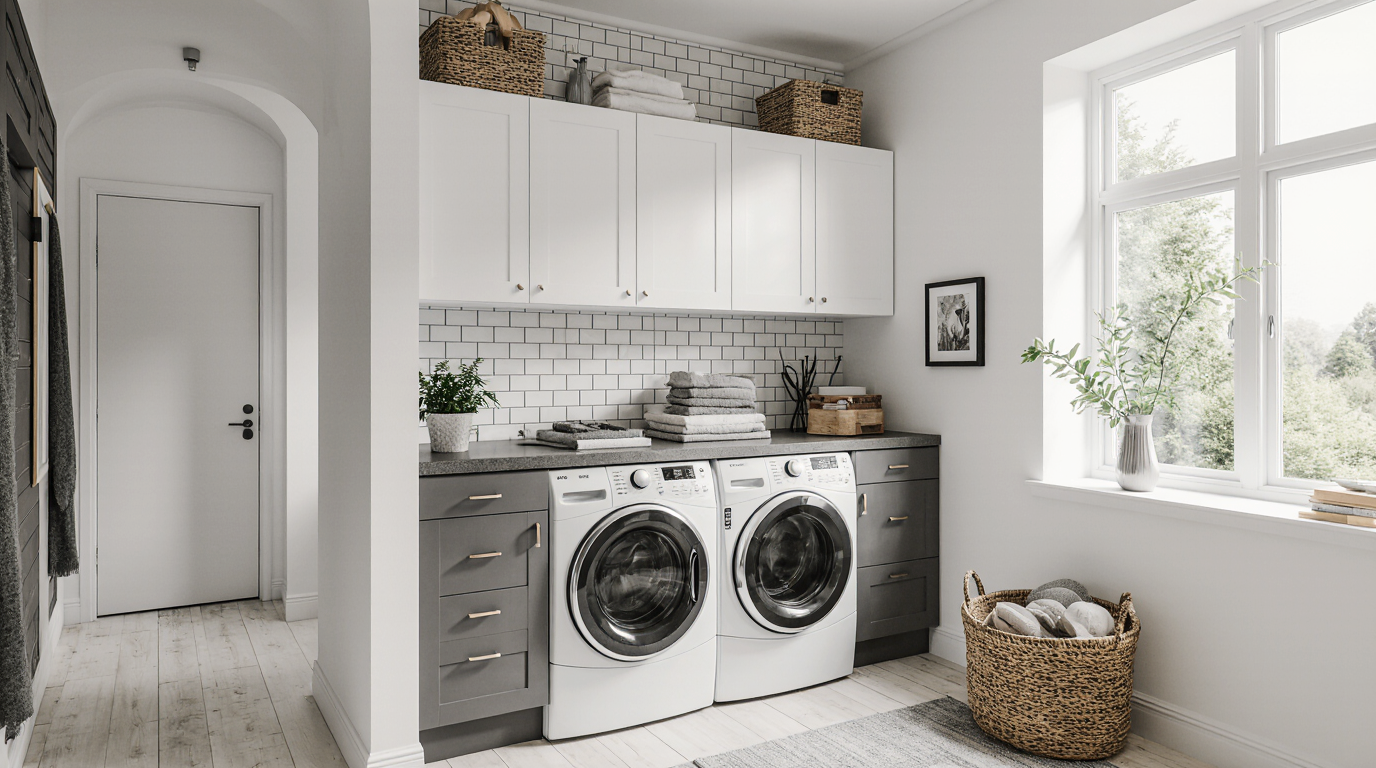
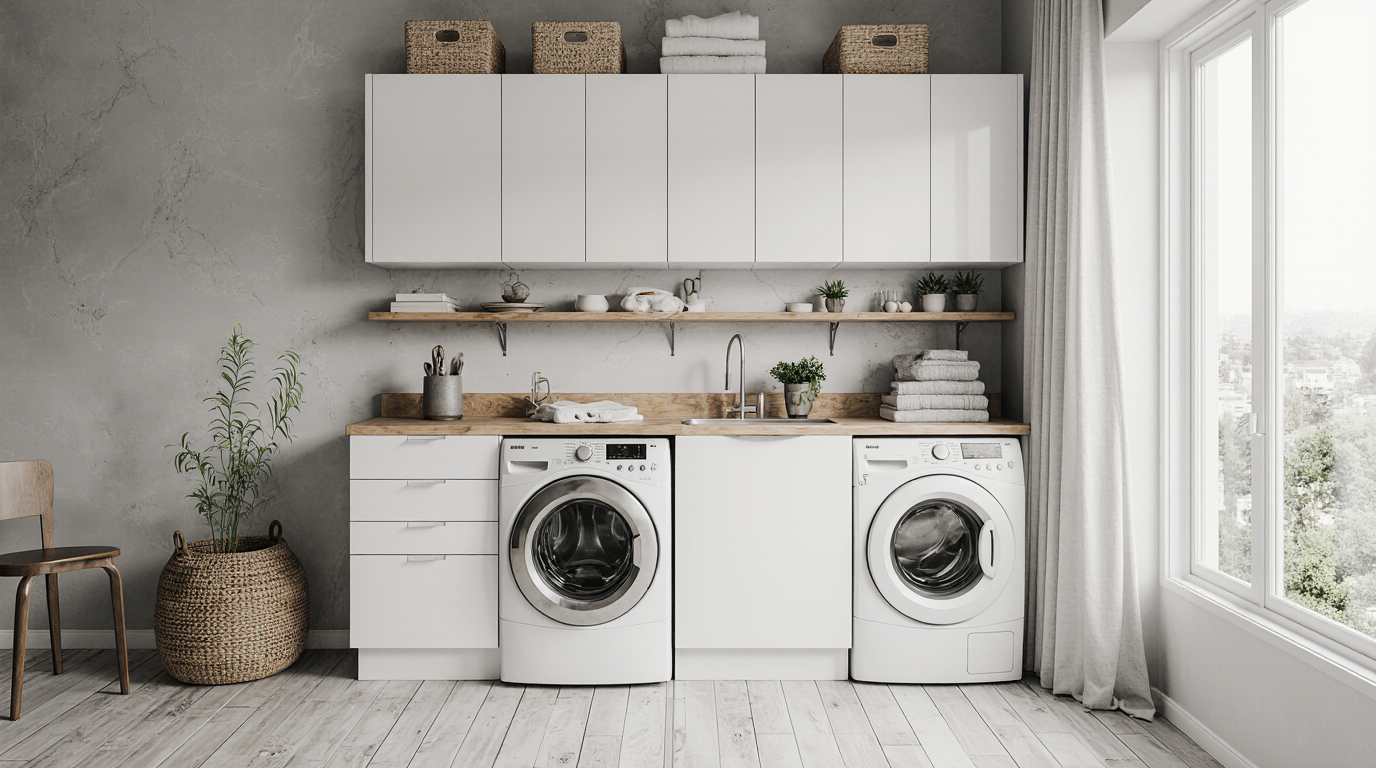
Optimizing small laundry functionality starts with strategic appliance choice and positioning. Front-loading washers and dryers are particularly advantageous in small laundry rooms due to their ability to be stacked vertically, conserving valuable floor space. Side-by-side placement with overhead counters supports ergonomic use and creates convenient folding stations. Energy-efficient models are another critical consideration, as they minimize utility costs while promoting environmentally conscious living. Strategic appliance placement can also create a natural workflow, where laundry moves smoothly from washing to drying to folding, reducing unnecessary steps and optimizing productivity.
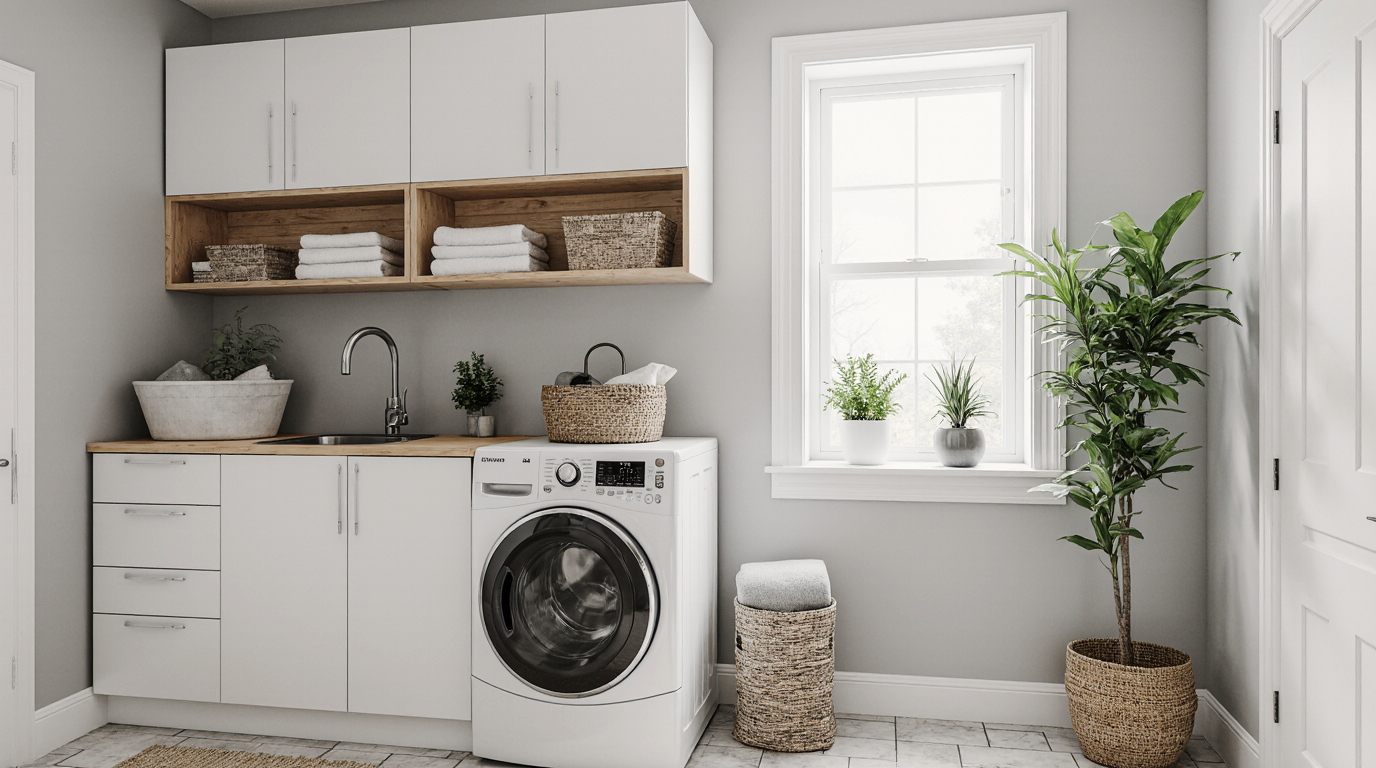
Storage optimization is a cornerstone of a functional small laundry room. Cabinets, shelves, and cubbies should be tailored to fit the room’s dimensions while maximizing vertical space. Elevated storage cabinets optimize limited square footage, storing detergents, tools, and laundry accessories efficiently. Exposed shelves combined with labeled containers ensure quick access and maintain visual order. Irregular spaces are optimized through bespoke cabinets and shelves, maximizing utility and maintaining visual harmony.
Effective illumination plays a vital yet frequently underestimated role in compact laundry spaces. Correct illumination enhances work efficiency and elevates the space’s aesthetic. Layered lighting strategies, including overhead and under-shelf lights, optimize visibility and spatial perception. Integrating windows or skylights brightens the room and minimizes electrical consumption. Even in windowless laundry rooms, the careful use of reflective surfaces, light-colored walls, and strategically placed mirrors can visually expand the room, creating an airy and welcoming environment.
Flooring and durable surfaces are essential components that blend both practicality and style. Since laundry rooms endure high traffic and occasional spills, selecting water-resistant, easy-to-clean materials is paramount. Durable surface materials balance style with practicality, maintaining beauty under constant use. Counter surfaces must resist water, wear, and staining while supporting daily chores. Integrating multifunctional surfaces, such as a fold-down ironing board or a pull-out drying rack, can further enhance the utility of a compact space without cluttering it.
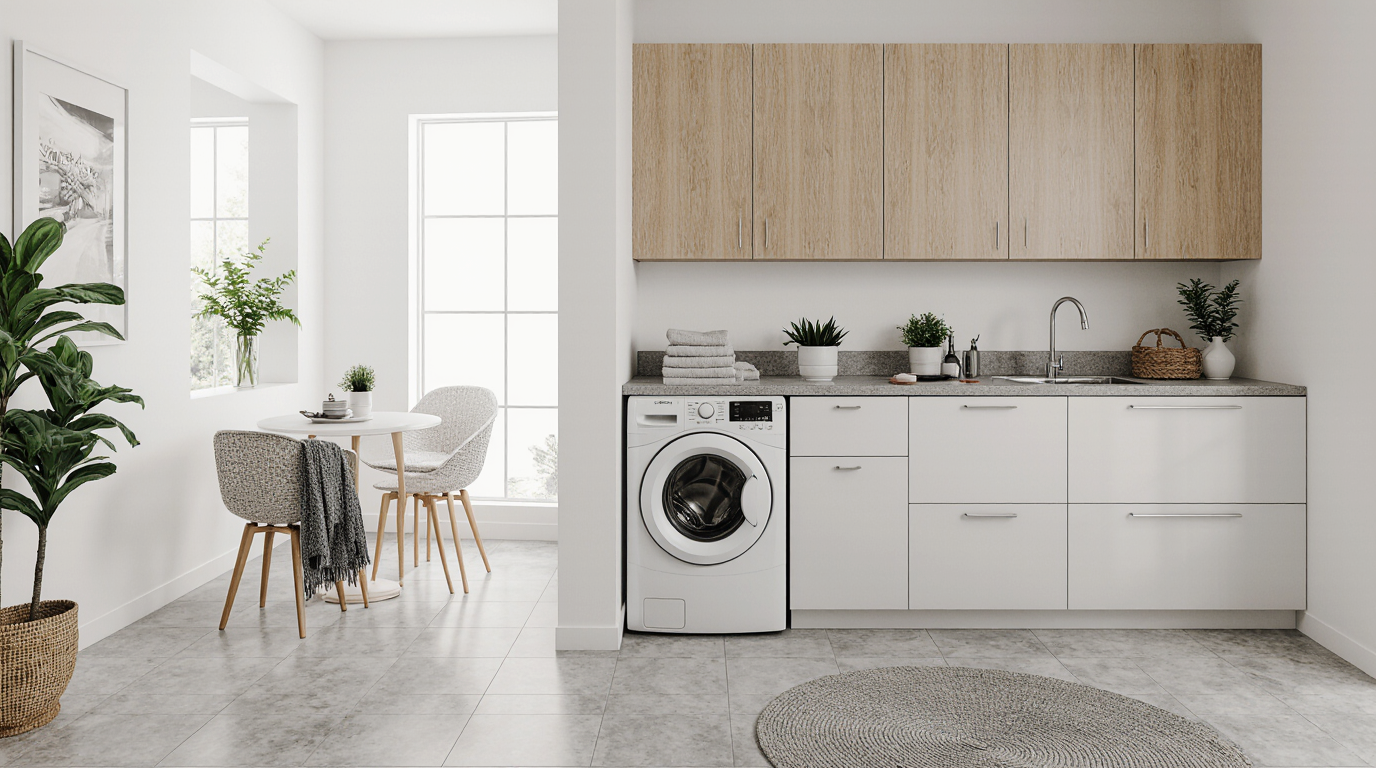
Color and material choices play a significant role in shaping the perception of a small laundry room. Soft neutrals broaden the sense of space, complemented by bolder elements for character. Consistency in cabinet design, finishes, and textures ensures elegance without sacrificing function. Combining light cabinetry, neutral walls, and wood highlights balances aesthetics with practical function.
Functional zoning maximizes efficiency and ease of use in small laundry rooms. Separating tasks into defined areas reduces unnecessary steps and improves productivity. Utilizing vertical space for hanging rods or retractable drying racks allows garments to air-dry without encroaching on floor space. Adding a utility basin optimizes versatility while maintaining compact efficiency. Even the placement of hooks, magnetic strips, or pegboards for organizing tools and supplies contributes to a smoother, more intuitive laundry process.
Human-centric layouts enhance both convenience and sustainability in tight spaces. Correct heights for appliances and surfaces reduce physical fatigue and improve workflow. Pull-out drawers and sliding shelves make retrieving detergents, fabric softeners, and other items easier, particularly in deeper cabinets. Additionally, folding stations at counter height, combined with pull-out hampers for sorting laundry, streamline the workflow while maintaining a clutter-free environment. These small design decisions collectively enhance both the functionality and overall satisfaction of the laundry experience.
Proper ventilation preserves both room quality and appliance longevity. Air circulation solutions protect against dampness, odors, and structural damage. Targeted exhaust and air circulation mechanisms maintain healthy, odor-free laundry environments. For homeowners seeking a holistic approach, integrating eco-friendly solutions, such as energy-efficient ventilation systems and moisture-resistant materials, contributes to a sustainable and durable laundry space.
Aesthetic touches elevate the room without compromising usability. Decor accents transform the laundry area into a welcoming and personalized space. Functional decor, like aesthetically pleasing storage baskets or decorative jars for detergents, blends utility with design sophistication. These touches help transform the laundry room from a purely utilitarian space into an enjoyable environment where daily tasks feel less like chores and more like routine self-care. Attention to both practicality and visual appeal ensures a laundry room that is efficient, organized, and stylish.
A small laundry room layout requires meticulous planning, creative storage solutions, and attention to detail. Through thoughtful appliance selection, spatial planning, and style integration, small laundry rooms can reach maximum functionality and appeal. Such layouts streamline household chores while enriching the home’s design coherence. Balancing workflow, illumination, airflow, and visual elements guarantees a small laundry room that is both functional and delightful.