Small Laundry Room Layout: Maximizing Functionality and Style in Compact Spaces
Planning a small laundry space involves harmonizing practicality, strategic organization, and elegant design. In modern homes, where space is often at a premium, optimizing a compact laundry area can transform a mundane chore into an efficient and even enjoyable task. When every corner matters, intelligent design merges appliance placement, storage innovation, and aesthetic coherence. Thoughtful arrangement of appliances and storage elevates both functionality and the inviting atmosphere of the room.
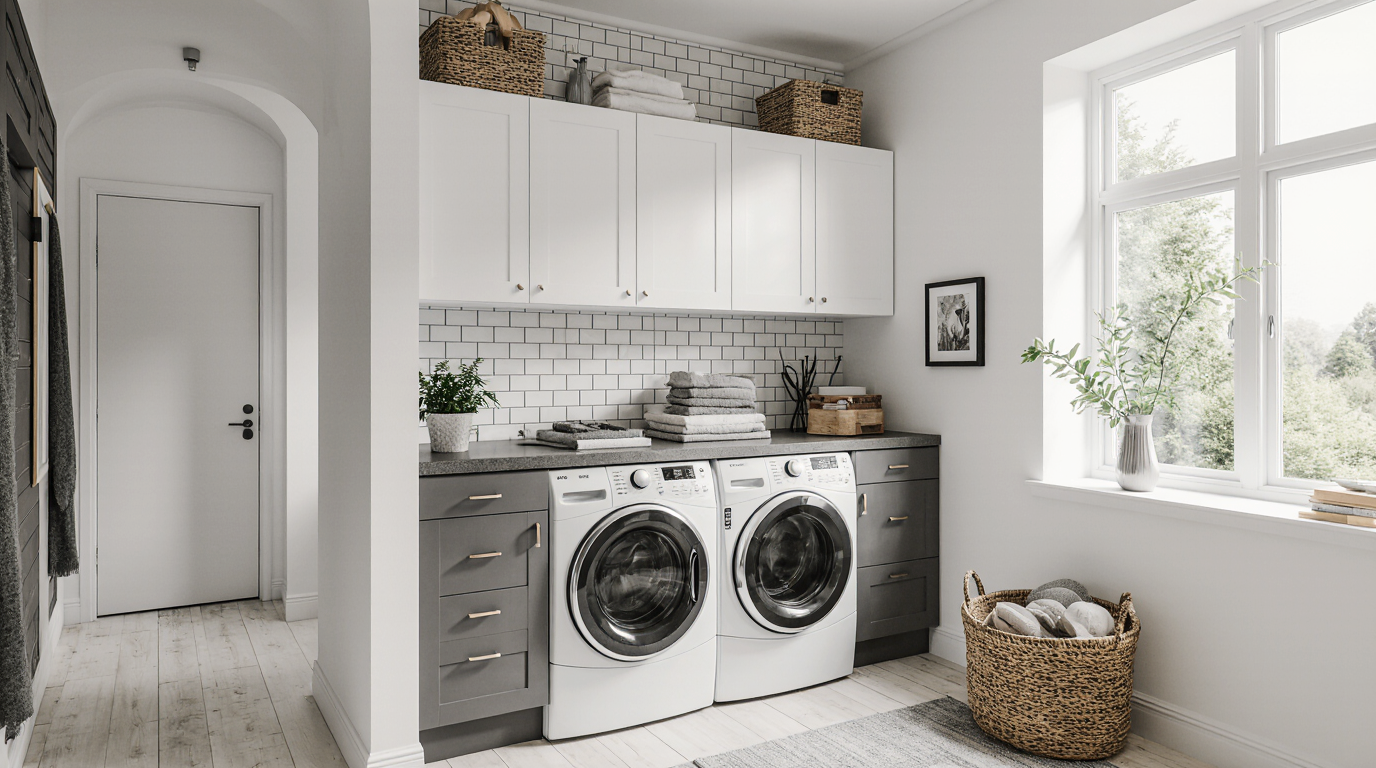
The cornerstone of an effective compact laundry layout is thoughtful appliance integration. Using vertically stackable front-load washers and dryers conserves floor area while maintaining operational efficiency. Aligning washers and dryers horizontally beneath a work surface enhances accessibility and folding convenience. Selecting energy-conscious appliances reduces long-term expenses and supports sustainable practices. Strategic appliance placement can also create a natural workflow, where laundry moves smoothly from washing to drying to folding, reducing unnecessary steps and optimizing productivity.
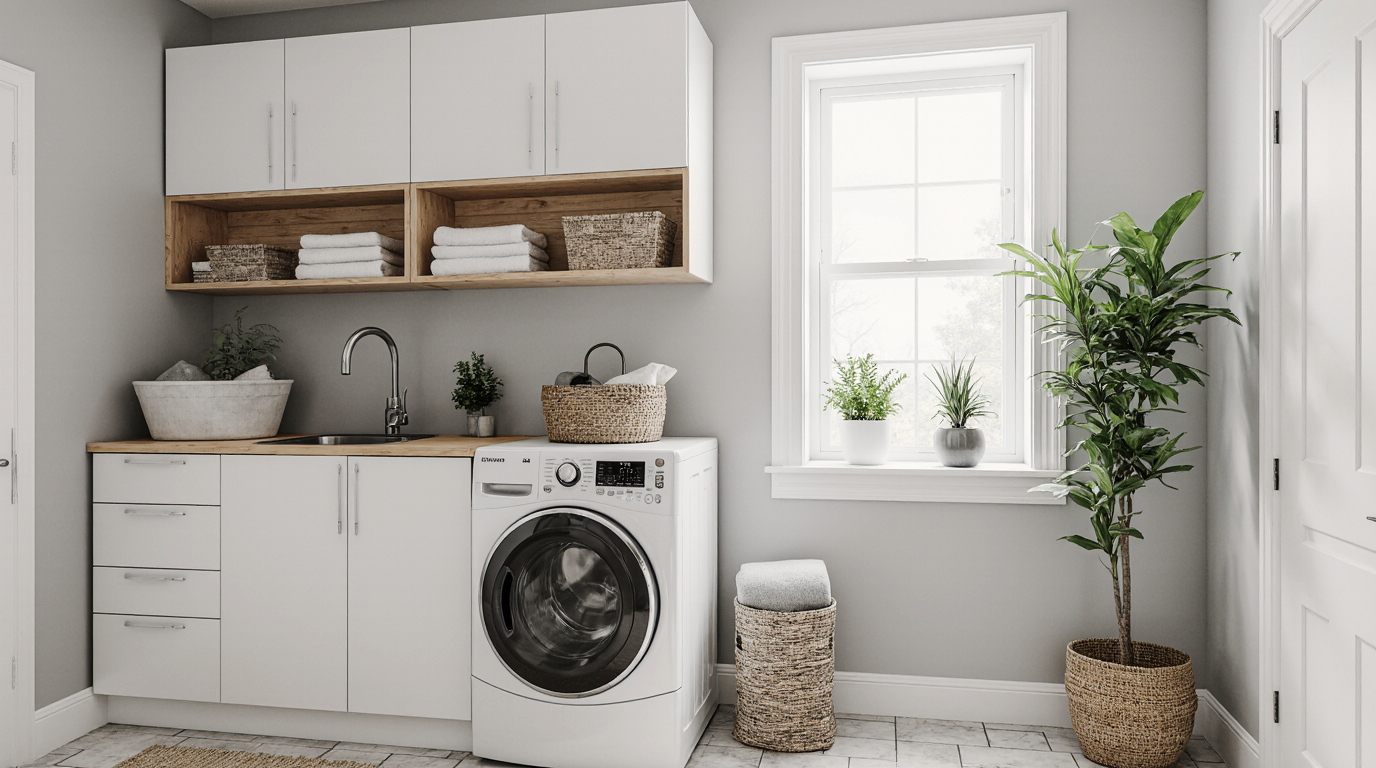
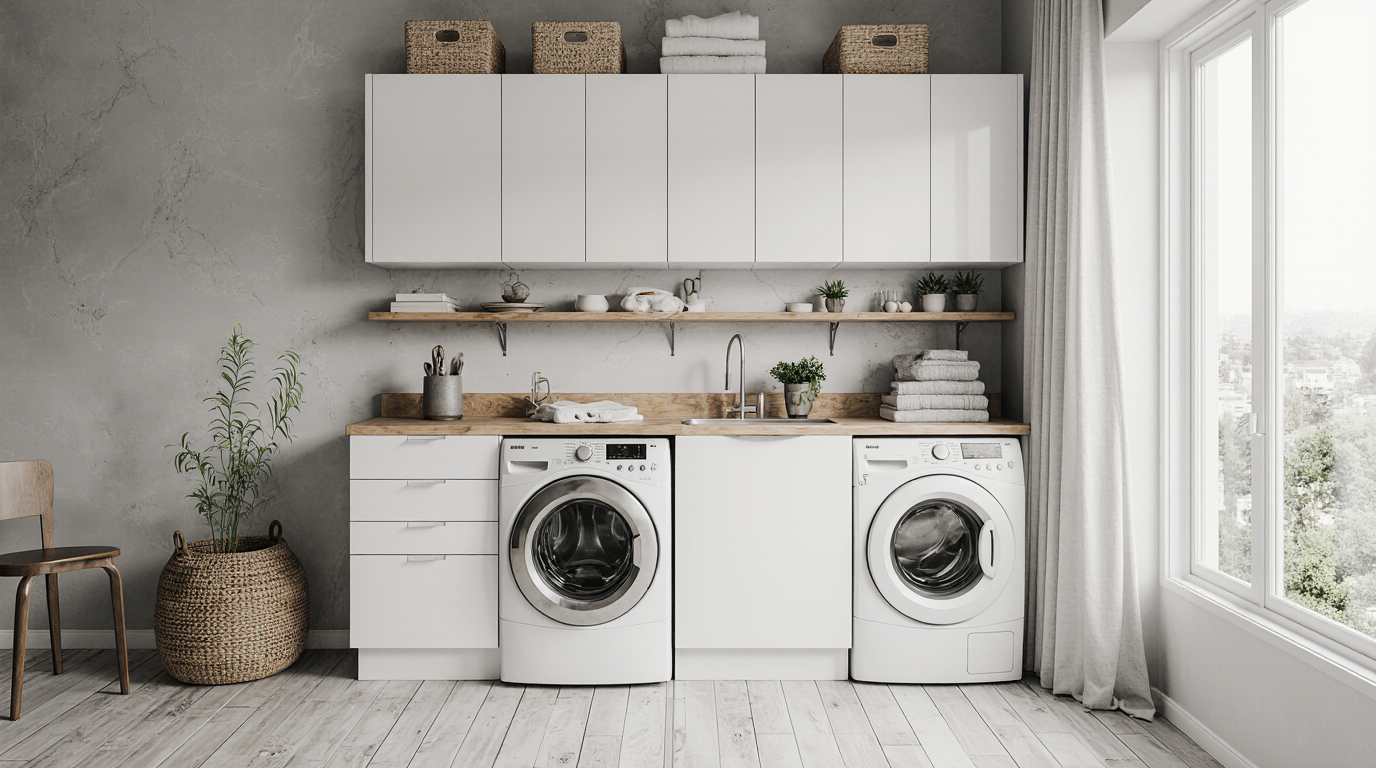
Efficient storage planning underpins both functionality and aesthetic appeal in small laundry areas. Custom storage solutions, including vertical cabinets and shelves, ensure every inch is utilized effectively. Installing upper cabinets frees up floor space while providing abundant storage for essentials. Open shelving offers easy access to frequently used items, while labeled bins and baskets can keep smaller necessities organized and aesthetically pleasing. Irregular spaces are optimized through bespoke cabinets and shelves, maximizing utility and maintaining visual harmony.
Effective illumination plays a vital yet frequently underestimated role in compact laundry spaces. Correct illumination enhances work efficiency and elevates the space’s aesthetic. Layered lighting strategies, including overhead and under-shelf lights, optimize visibility and spatial perception. Daylight introduces warmth and enhances the perception of space, limiting artificial lighting needs. Creative manipulation of light-reflective materials compensates for the lack of natural sources, visually enlarging the area.
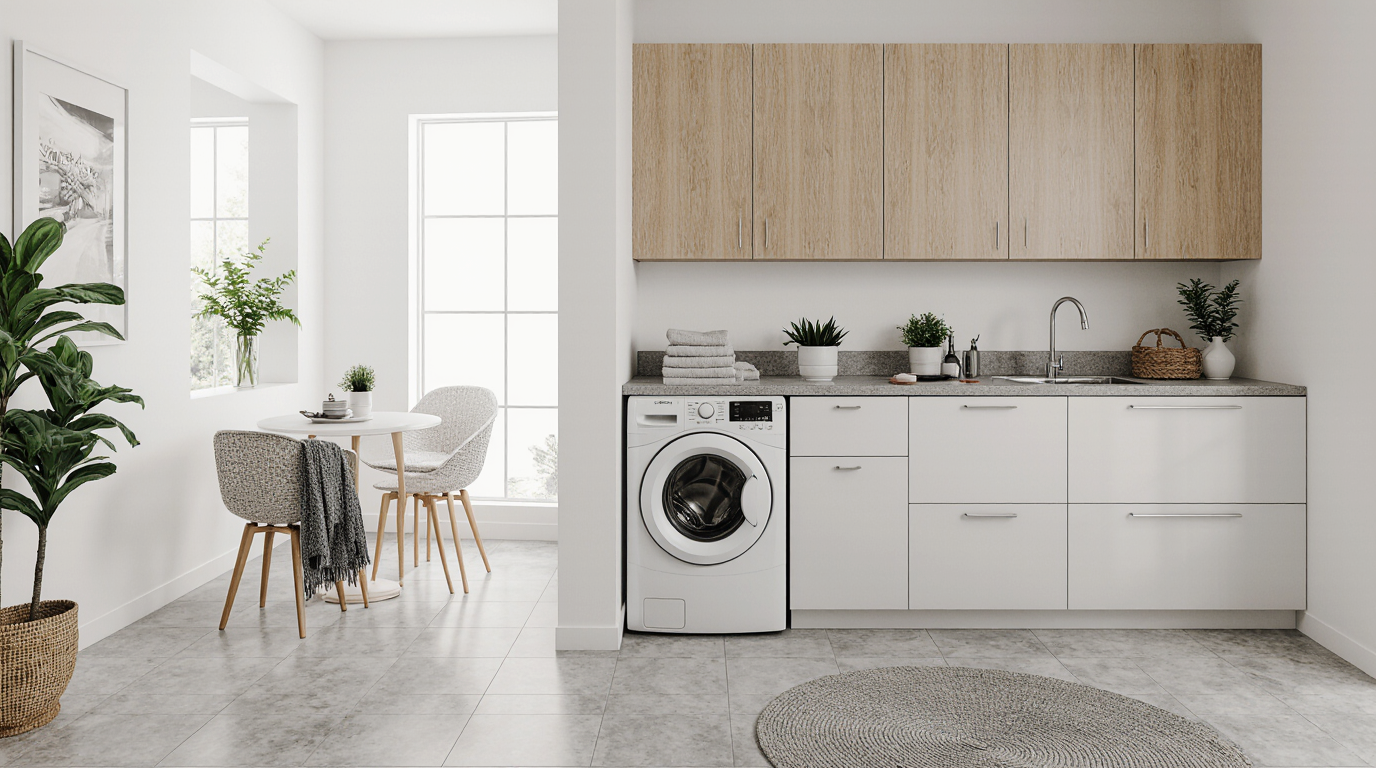
Selecting resilient flooring and work surfaces ensures durability without sacrificing design. Materials like tiles, luxury vinyl, or sealed concrete withstand moisture and heavy use. Tiles, luxury vinyl planks, or sealed concrete are excellent choices, providing durability while complementing the room’s design. Counter surfaces must resist water, wear, and staining while supporting daily chores. Integrating multifunctional surfaces, such as a fold-down ironing board or a pull-out drying rack, can further enhance the utility of a compact space without cluttering it.
Strategic palette and material selection influence spatial perception and mood. Pale color schemes visually expand areas, whereas accent hues inject personality. Harmonizing materials, finishes, and hardware elevates the laundry room’s visual appeal. Combining light cabinetry, neutral walls, and wood highlights balances aesthetics with practical function.
Optimizing workflow is critical in compact laundry spaces. Organizing areas by task type promotes smooth operation and time efficiency. Space-saving hanging and drying systems preserve compact floor layouts. Even a compact sink expands the room’s functionality for stain treatment and hand washing. Even the placement of hooks, magnetic strips, or pegboards for organizing tools and supplies contributes to a smoother, more intuitive laundry process.
Comfort-focused design is essential to prevent strain in small laundry areas. Thoughtful placement of functional elements supports comfort and operational efficiency. Pull-out drawers and sliding shelves make retrieving detergents, fabric softeners, and other items easier, particularly in deeper cabinets. Incorporating adjustable folding and sorting stations improves ergonomics and operational flow. These small design decisions collectively enhance both the functionality and overall satisfaction of the laundry experience.
Airflow management is essential to prevent moisture issues. Proper airflow prevents excess moisture, mildew, and odors from accumulating, which is particularly important in confined spaces. Exhaust fans, vented dryers, and strategically placed vents help maintain optimal air quality, protecting both the appliances and the home’s structural integrity. For homeowners seeking a holistic approach, integrating eco-friendly solutions, such as energy-efficient ventilation systems and moisture-resistant materials, contributes to a sustainable and durable laundry space.
Aesthetic touches elevate the room without compromising usability. Decor accents transform the laundry area into a welcoming and personalized space. Functional decor, like aesthetically pleasing storage baskets or decorative jars for detergents, blends utility with design sophistication. Incorporating such elements creates a space that is both efficient and pleasurable to use. Attention to both practicality and visual appeal ensures a laundry room that is efficient, organized, and stylish.
Effective compact laundry designs demand strategic thought, innovative storage, and design precision. Focusing on workflow, appliance choice, vertical storage, and visual harmony creates an ideal compact laundry area. Careful design choices turn compact laundry rooms into practical, elegant extensions of the home. Integrating planning, lighting, ventilation, and style creates compact laundry spaces that maximize usability and pleasure.