The laundry area, often stuck to a neglected closet or a tight service area, is swiftly transforming in contemporary home architecture. It is evolving from a only functional zone into a true part of the home's look, demanding design refinement even in its most small spaces. For decorators and residents tackling the difficulty of the small laundry room, the one most impactful, yet often overlooked, element for adding character and apparent openness is the wall paper. Choosing the proper wall covering is a crucial choice that goes beyond mere purpose; it turns into an activity in optical structure to offset room boundaries. This thorough exploration examines the master considerations for selecting compact laundry area wallpaper that complies to Google Advertising guidelines by delivering unique, authoritative, and helpful perspectives, ensuring the space feels intentional, stylish, and absolutely personal.
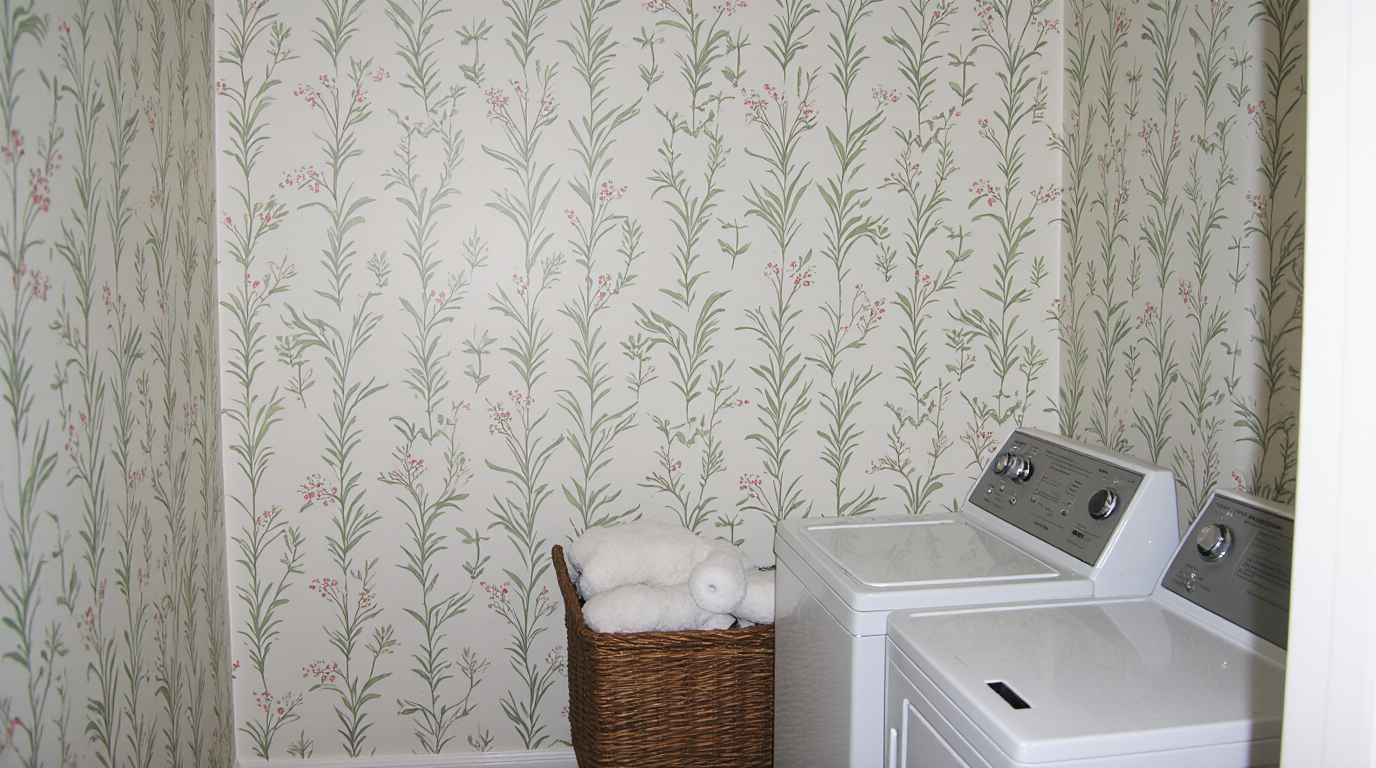
When area is the chief restriction, decorators must utilize motif scale and color principles to form an trick of recession. A usual mistake in tiny areas is the fear of pattern, causing to uninteresting, functional finishes. This is a injustice to the possibility of the area. The main point lies in adopting large-scale, yet open or breezy designs. Consider about plant-based patterns with large negative room, where the underlying hue overpowers, permitting the vision to flow without being interrupted suddenly by thick motifs. A large-striped wall paper, used carefully, can greatly affect the perceived tallness or breadth of the space. For a skinny room, vertical lines will seemingly lengthen the surfaces, pulling the gaze towards the ceiling to the overhead, which in turn can make the entire area feel more elevated—a essential room control approach. On the other hand, for a very boxy space, a slightly mixed sideways motif can inspire the eye to move over the greater extents. The aim is constantly to establish a feeling of seamless aesthetic continuity.
Component selection is crucial in a laundry setting, as it is a space liable to moisture and possible splatters. While traditional cellulose wall papers might yield to dampness, the emergence of resilient or prepasted, peel-and-stick choices presents toughness paired with aesthetic adaptability. High-quality plastic coating is cleanable, waterproof, and extremely easy-to-use for the self-made lover, matching exactly with the requirement for useful style. For zones immediately around the washing machine and tumbler—the damp zone—consider stone or a polished surface, damp-resistant coating for the base part, utilizing the greater complex wall covering only on top of the stone edge or on walls furthest from the units. This layered strategy acknowledges the practical requirements while optimizing decorative influence.
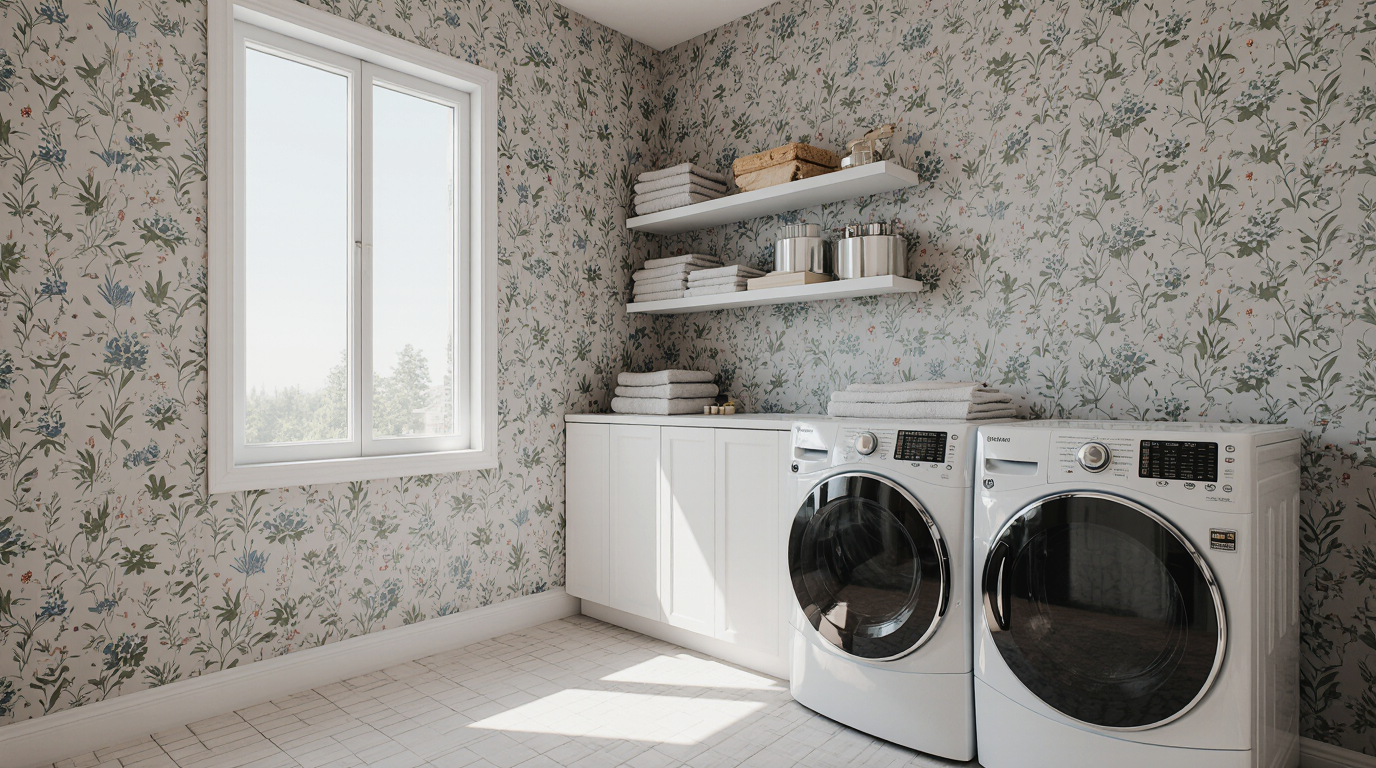
Hue psychology plays a strong function in small room decor. Pale and cool tones, such as pale cerulean, muted jade, or as well elegant creamy with subtle texture, are evergreen favorites because they throw back illumination, making the edges of the room move away. Nevertheless, striking, deep colors can be used well for an surprising decorative jolt. This plan functions by taking on the limited extent rather of fighting it, transforming the room into a deliberately comfortable, luxurious nook. This strategy necessitates matching the striking surfaces with highly utilitarian, light-colored cupboards, and brilliant work lighting. The juxtaposition of striking hue and practical brightness is a hallmark of expert compact-area architecture.
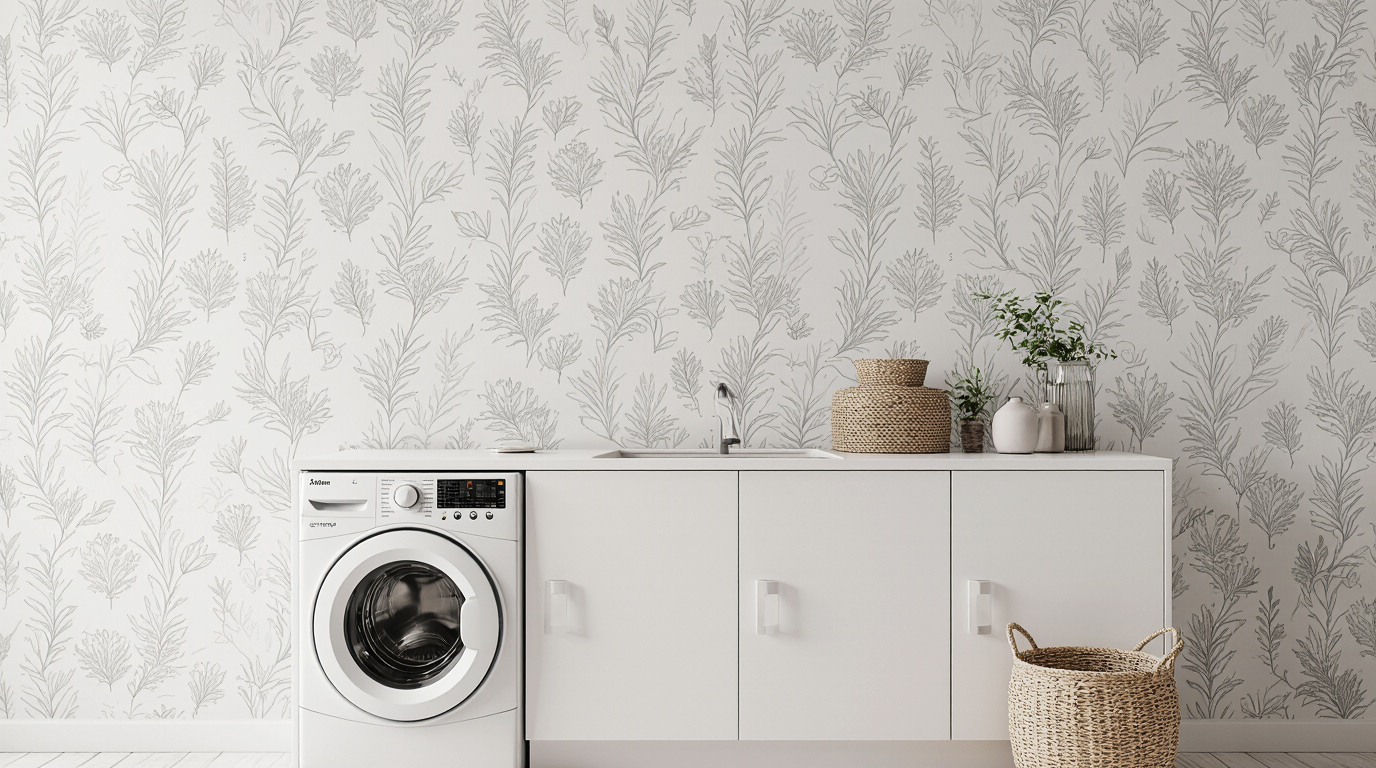
Feel in wall covering introduces one more layer of feeling attractiveness and optical attraction, which is vital when furniture are minimal. Tactile wall papers, such as those imitating cloth, grasscloth, or also delicate geometric weaves, provide dimension without counting on abrupt hue changes. Natural Fiber, for e.g., presents an organic, elegant backdrop that beautifully spreads illumination, imparting a calm glow to the room that boosts the perception of cleanliness and airiness. This choice tends into earthy material aesthetics, a current craze in indoor architecture, that values touchable surfaces. When combining these textures, remember the principle of visual heaviness: balance a heavily tactile surface with plain surfaces on adjoining surfaces or storage to keep optical balance and steer clear of drowning the small space.
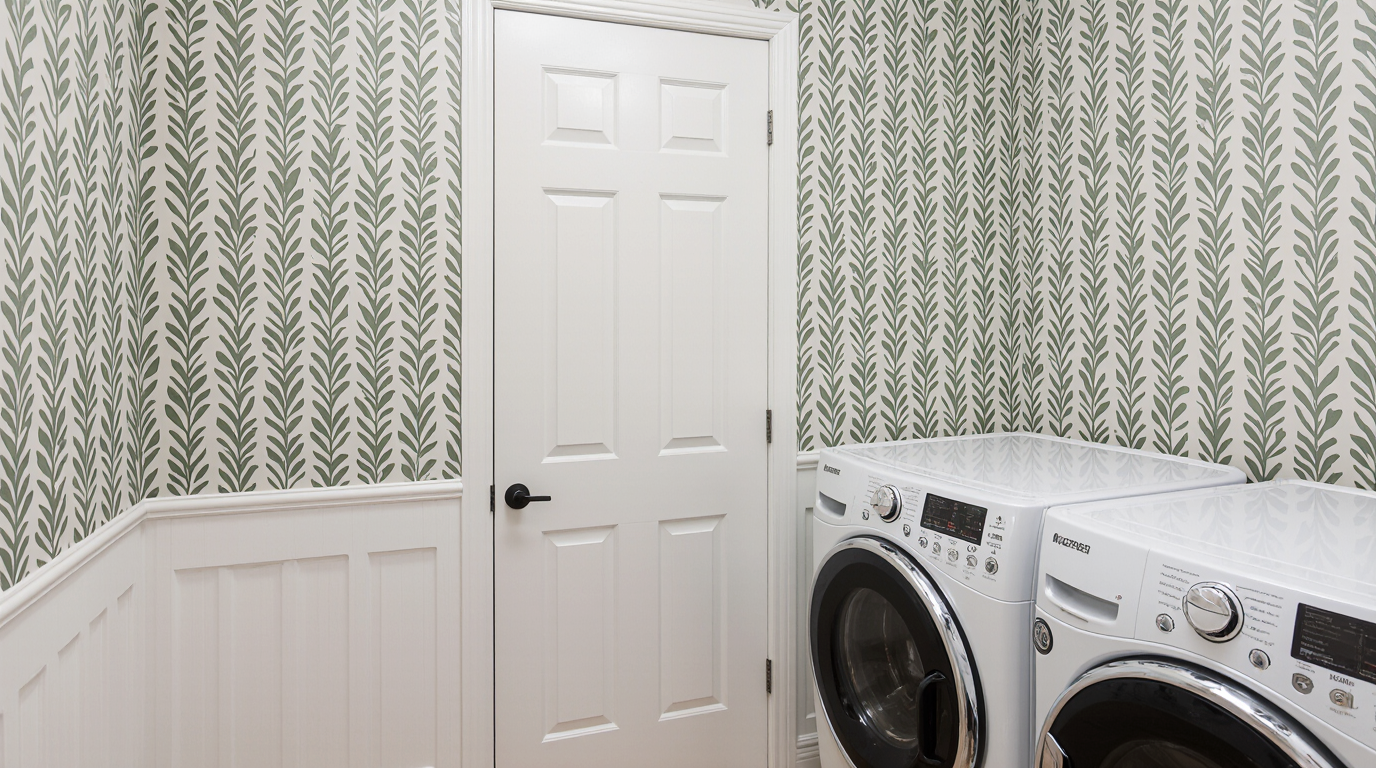
Motif designs should as well be picked with the room's particular function in consideration. For a true laundry haven feel, slight similar-color designs or classic patterned patterns provide a enduring appeal that resists rapid trend outdatedness. Look at little, copying four-leaf or curving patterns in a subdued color scheme; these classic forms provide framework without necessitating non-stop notice. If the room functions as as a compact mudroom, incorporating a design that implies at the outdoors, like a modernized foliage or tendril pattern, can bridge the transition room linking the outdoors and the chief living zones. This demonstrates complete dwelling decor thought, uniting disparate practical spaces by means of cohesive aesthetic communication. The resilience of the covering must support the anticipated wear-and-tear, particularly near entrances or sitting zones.
The putting up of the wall paper itself deserves specific consideration in a small space. If the area is genuinely minuscule, maybe just a single feature surface —the one directly opposite the entry —should be given the finish. This main spot guides the gaze instantly upon coming in, establishing the design intent, while the other surfaces can be finished a complementary, lighter color that copies the underlying of the wall paper. This rule of thirds in wall application prevents pattern excess and keeps the focus on the aesthetic focal point. In addition, make certain that any hardware placement—like sconces or shelf brackets—is scheduled before fitting, as shaping close to hardware in a small area can easily cause to untidy execution, jeopardizing the otherwise professional finish.
Never undervalue the power of the border and fixtures difference. Not any issue how vibrant the wallpaper, the bordering components must anchor the aesthetic. Crisp, vivid pure edging framing the walls, openings, and openings creates a essential aesthetic buffer, making the wallpaper pattern stand out while enclosing the room tidily. Similarly, choosing hardware for storage or utility hangers in a opposite alloy material —perhaps non-shiny black against a pale and airy pattern, or polished nickel against a deep one—introduces needed design detail and improves the total design story. In a compact laundry room, every element must work extra hard, and the right wall paper, picked with an professional gaze for size, component, and placement, is the silent engine that converts routine into haven.