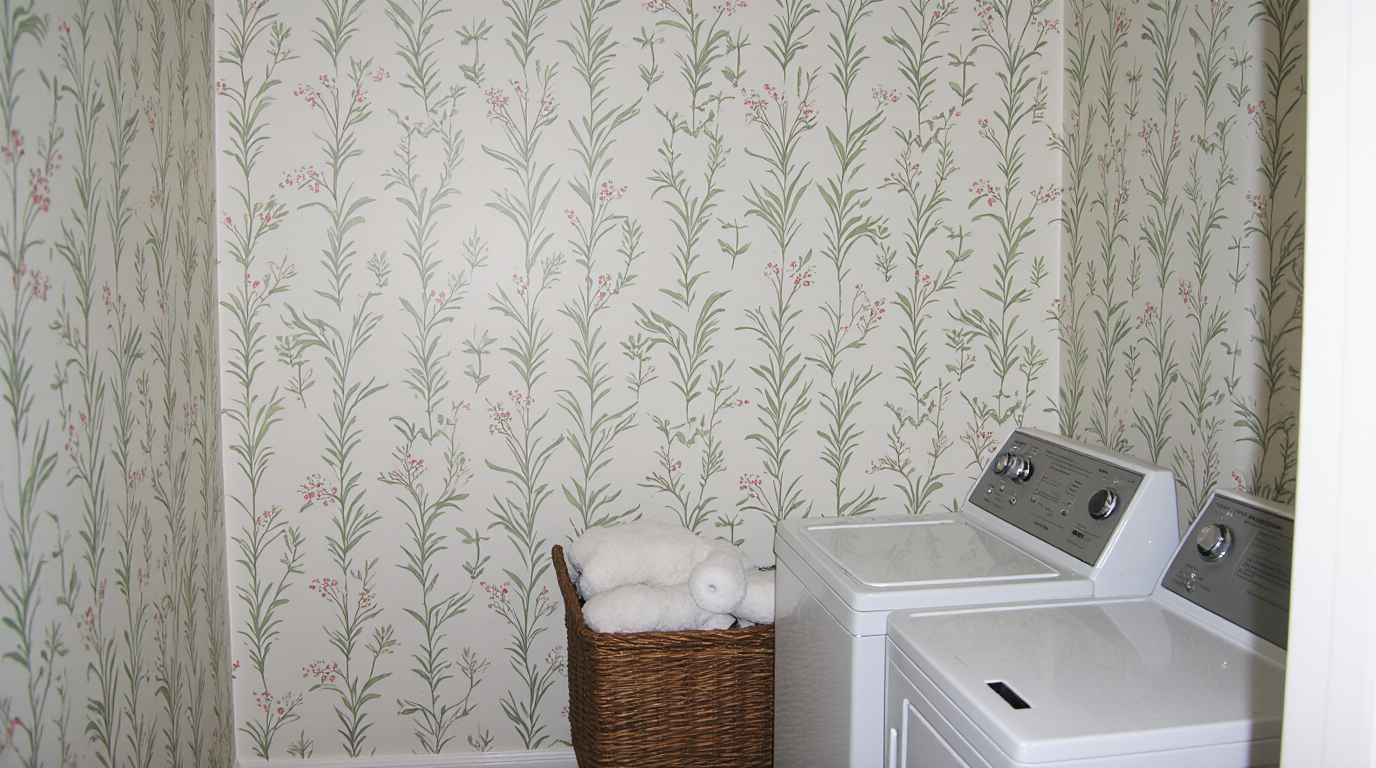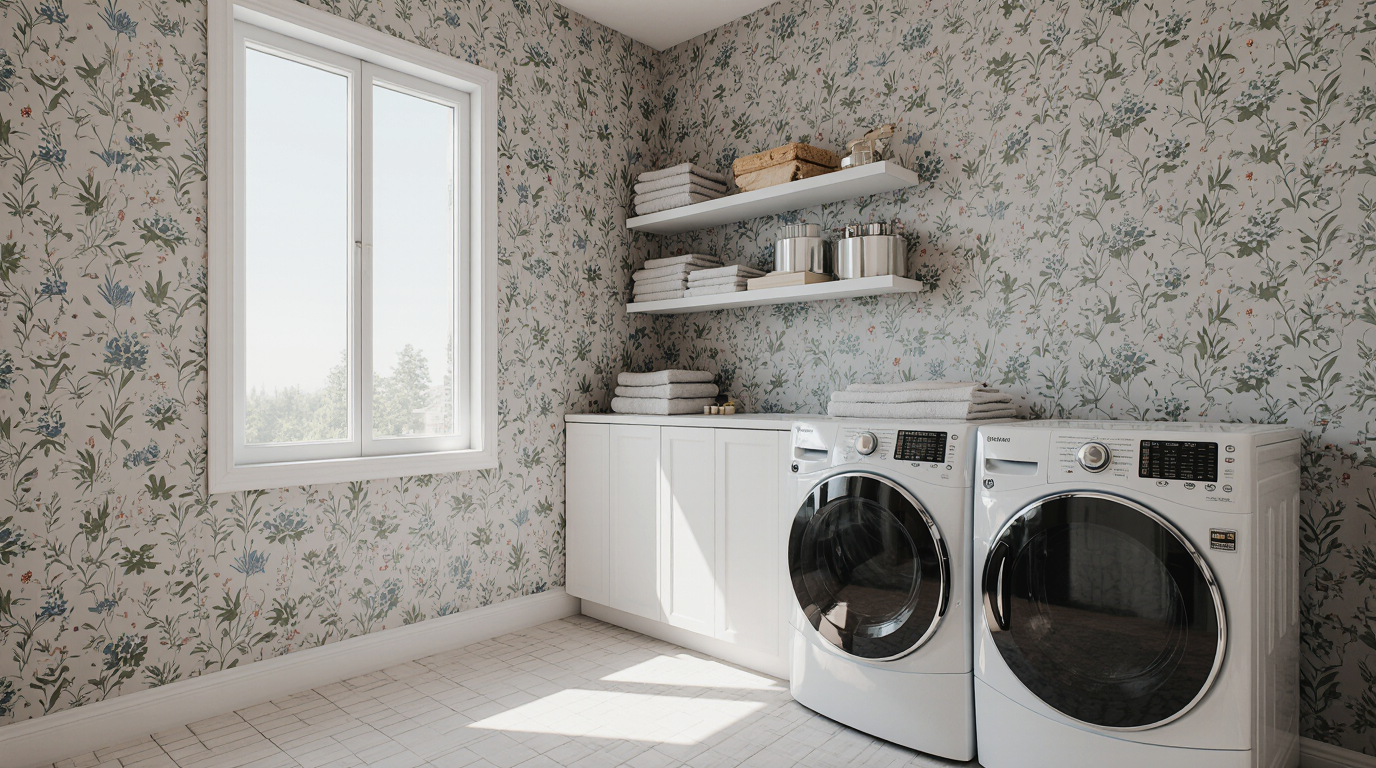
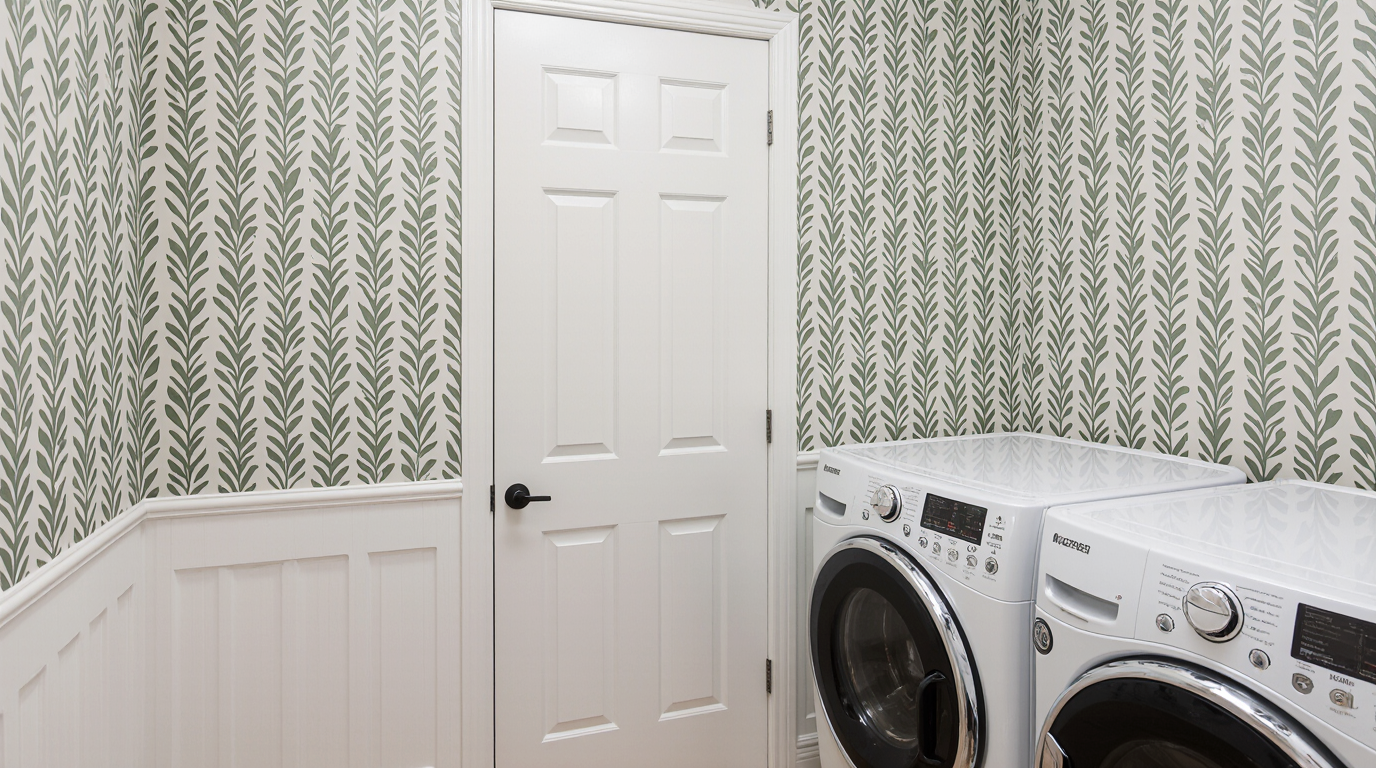
The laundry room, once relegated to a shadowy, purely utilitarian corner of the dwelling, is undergoing a profound design transformation. It's no longer suitable for this essential task to be a mere afterthought; contemporary home design philosophy now dictates that every area of a property must add to to the overall aesthetic and mental comfort of its occupants. At the leading edge of this change is the clever use of wallpaper, turning humble utility spaces into showcases of individual taste. This shift is in total harmony with the 2025 trend toward aesthetic functionality and maximizing small space, big style.
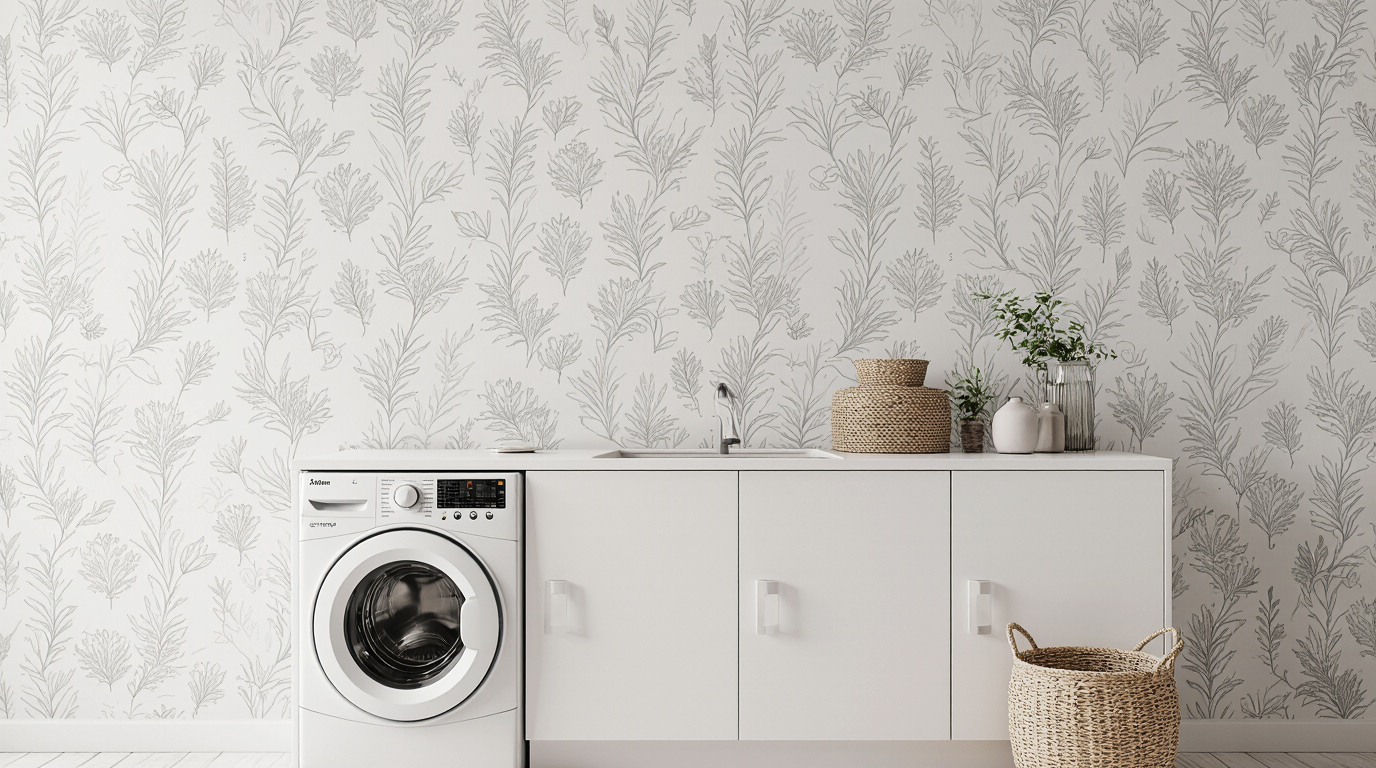
To truly excel at the art of the contemporary laundry space, one must look further than plain paint and embrace the texture, depth, and theme that quality decorative covering provides. A well-chosen pattern acts as the focal point, immediately establishing an atmosphere that can move between soothing botanical quiet to bold, Art Deco drama. For those embracing softer, more soothing palettes trending in 2025—think subtle greens, inviting neutrals, and light timber accents—a delicate, monochromatic covering is the design secret weapon. Consider a minimalist pattern, such as a lightly embossed pattern or a whisper of white trees. This method allows the room to keep that crisp, Nordic tranquility while providing a pattern that improves standard white units and smooth surfaces. This is design cohesion in its most powerful state, making sure the laundry section reflects the style of nearby rooms like the kitchen, achieving that wanted visual linkage.
However, the laundry room is also the ultimate canvas for design confidence. Since it is often a less visible spot, or one that can be hidden away, it provides a perfect, low-stakes environment to play with dramatic designs and novel ideas. Imagine wrapping the room in a botanical boldness design, perhaps showcasing huge leaves or deep, dark flower patterns in black or dark green. This generates a striking effect, elevating the mundane task to something more refined. If you lean towards whimsy, look for Asian-influenced designs or elegant, big animal patterns—the room's informal nature is the perfect justification for such playful choices, adding that element of personality that designers increasingly seek. A successful dramatic wallpaper is best grounded by timeless materials elsewhere, such as rich wood counters or simple cabinets in an anchoring shade, ensuring the room feels sophisticated, not overwhelming.
The functional needs of the utility environment require thoughtful choosing of the paper type. Durability and moisture resistance are the most important issues for any laundry room design. While standard paper wallpapers may fail in dampness, newer choices such as vinyl or removable papers offer superior resilience. Self-adhesive choices, notably, allow for easy changes, letting residents test designs with the assurance that taking them down won't be hard when trends shift. For areas with lots of steam by the water source or appliances, a durable, cleanable vinyl offers industrial-level durability against dirt and moisture, a true sign of professional choice during planning.
An underutilized design strategy is applying the design in a surprising way. Instead of confining the pattern to the four walls, consider taking the feature paper up onto the overhead surface. This method, known as full coverage up to the cornice, is especially good in spaces with shorter height, as it directs vision to the top, giving the impression that the whole space is bigger and more encompassing. This all-encompassing method changes the room from ordinary to a personal haven, echoing the desire for resident-centered laundry room design. Alternatively, to manage costs or balance an already busy room, commit the design to just one feature wall. This the most visible wall, usually by the machines or across from the door, becomes the strongest design element, allowing the remaining walls to feature crisp paint or even complementary wall paneling, which provides depth and reduces spending while helping the style connect.
The choice of hues is inextricably linked to the specific motif. A laundry room gains significantly from shades suggesting purity and peace, such as serene blue or soft grey-blue, which look excellent next to stainless steel and chrome. However, to introduce needed heat against the chill of ceramic and metal, integrate terracotta and brown tones. A motif incorporating reddish-brown or pale timber notes can bring in rustic beauty and comfort, especially when layered with natural textures like woven baskets or rattan accents—components that fit the growing popularity of organic touches in global design. The choice of hardware further cements the style;|brass or copper taps can complement warmer wallpaper tones, whereas matte black hardware provides a sharp, modern contrast to lighter or more playful prints. The The outcome of these combined choices is an area that goes beyond its purpose, becoming an part of the property's overall approach to quality construction details. In the end, choosing the perfect feature wallpaper is the most significant design move for turning a dull service space into an elegant, very functional, and highly individual part of today's residence.