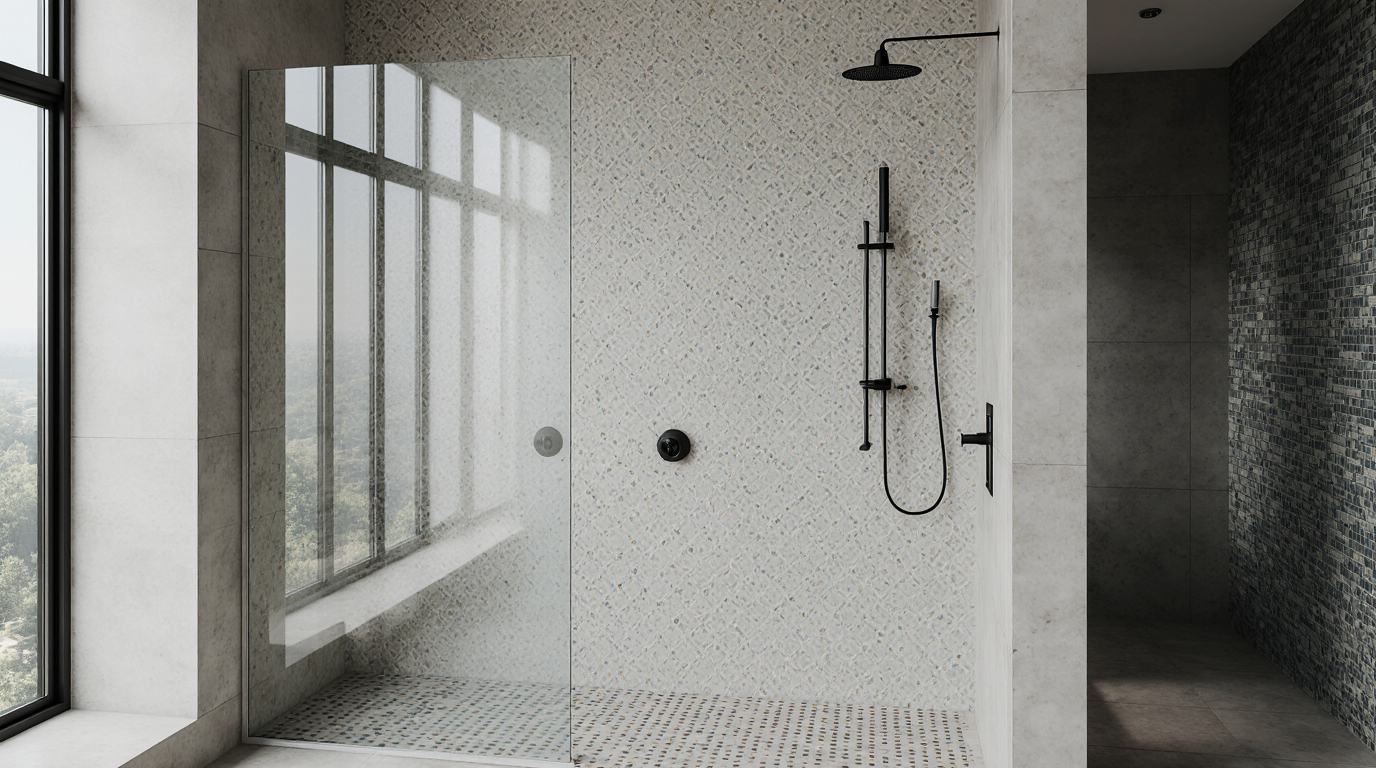
Bathroom Walk In Shower Ideas
In my experience designing and building bathroom cabinetry for homes across Sarasota County, from waterfront properties on Lido Key to new builds in Lakewood Ranch, the single most common point of fa…

The modern bathroom surpasses its basic utility to become a true home sanctuary, a space dedicated to wellness and
The modern bathroom surpasses its basic utility to become a true home sanctuary, a space dedicated to wellness and rejuvenating moments. Current bathroom design is profoundly shaped by a desire for minimalism and earthy textures, focusing on creating an atmosphere of tranquility and classic style.
A critical factor in achieving this is the thoughtful selection of materials. A growing trend sees designers favoring large-format, low-maintenance tiles that minimize grout lines, contributing to a clean and seamless aesthetic. Natural stone, particularly marble with its intricate veining, is still the ultimate selection for sinks and shower surrounds, instantly adding a layer of unrivalled luxury. The adoption of automated features is now a core expectation, moving beyond simple features to include illuminated vanity mirrors with built-in anti-fog and mood-setting lights, and even thermostatic shower controls that remember preferred temperatures.
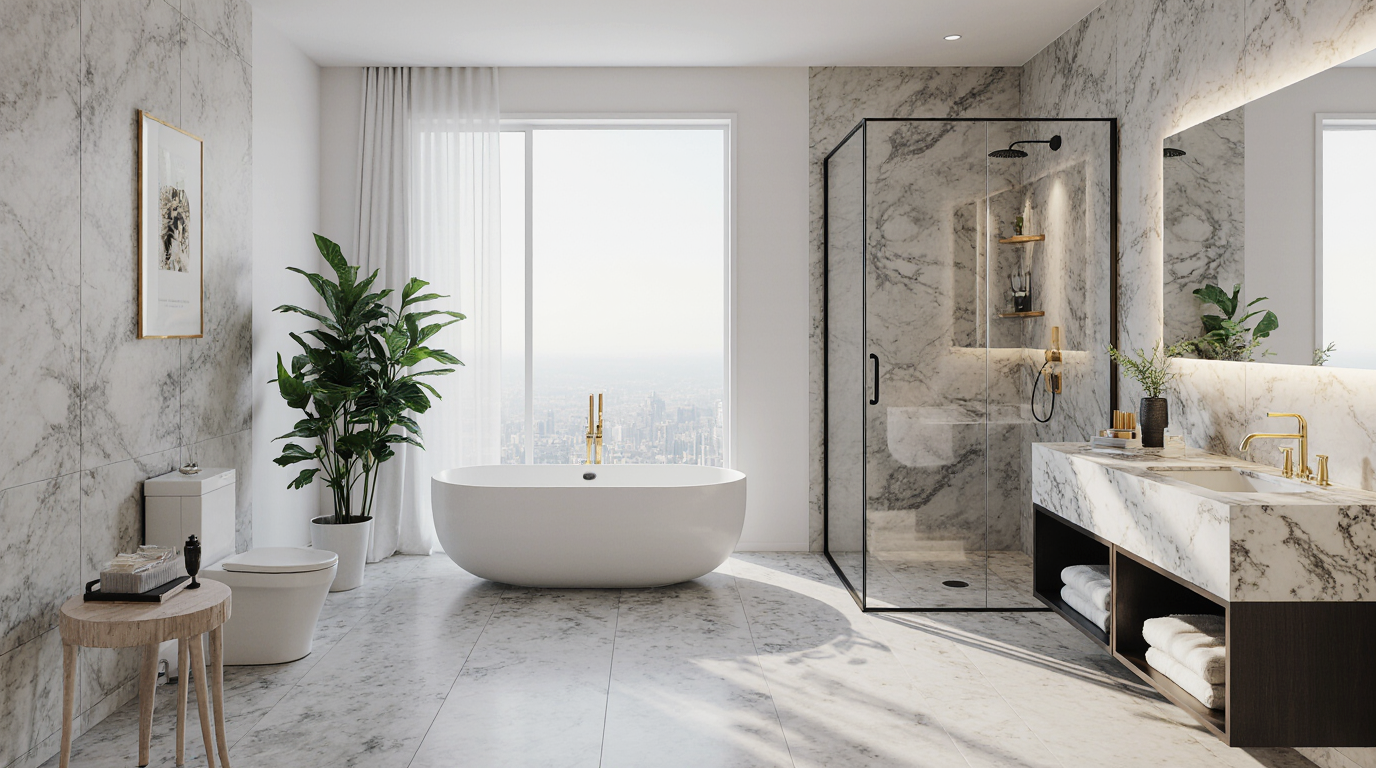
The emphasis on creating a spa-like environment means that lighting design has become a decisive factor, moving away from harsh overhead fixtures to a multi-faceted lighting scheme. This features discreet linear lighting beneath vanities for a soft glow, sophisticated sconce lighting flanking the mirror for functional yet flattering light, and dimmable accent lighting to create an atmosphere of profound calm. Freestanding soaking tubs remain a sought-after sculptural element, acting as an artistic centerpiece that encourages extended, indulgent soaks. For the shower space, the trend is firmly in favor of open showers featuring clear glass partitions, which enhance the feeling of openness and reinforce the uninterrupted flow characteristic of modern design. Finally, hardware finishes are changing dynamically, with brushed gold and matte black finishes presenting a bold, tactile distinction against smooth, light materials, imparting a signature of intentional design that heightens the holistic experience.
Beautiful Bathrooms Sarasota FLIt's no longer a purely functional space, the modern bathroom has developed into a personal sanctuary for relaxation and self-care. The key to beauty in this intimate room is a thoughtful blend of aesthetics and utility. Integrating natural elements, such as wooden features or carefully placed indoor plants, can instantly soften a clinical look, making the room into a tranquil, spa-inspired escape that caters to your well-being.
Achieving a beautiful bathroom often hinges on the selection of high-quality materials and harmonious color palettes. For example, white marble provides a timeless elegance, reflecting light to make the space seem brighter and bigger. Alternatively, deeply saturated colors in a powder room can create a dramatic, luxurious jewel-box effect. The key is consistency—making sure that the vanity, flooring, and wall coverings work together to tell a cohesive design story, whether that story is one of minimalist tranquility or bold opulence.
Lighting is a vital, often underestimated element in defining a beautiful bathroom. Overhead lighting that is too harsh is seldom flattering or conducive to relaxation. Instead, consider layering light sources: task lighting around the mirror for perfect grooming, ambient ceiling fixtures, and perhaps even a stylish chandelier or wall sconces to introduce a focal point and a warm glow. Dimmers are essential for adjusting the mood, allowing you to switch from bright, functional lighting in the morning to soft, calming light for an evening soak.
Finally, the finishing touches elevate a design from nice to truly beautiful. Invest in elegant fixtures—brushed brass or matte black can provide a sophisticated contrast to lighter tiles. Smart storage solutions, such as recessed niches in the shower or a well-organized vanity, keep clutter hidden, which is essential for maintaining a sense of serenity. When every detail, from the towel hooks to the soap dispenser, is chosen with intention, the resulting bathroom becomes an oasis of true, enduring beauty.
Custom Shower Layout Sarasota FLDesigning a custom shower layout offers a unique opportunity to tailor a daily routine space precisely to your needs and lifestyle, moving beyond standard, restrictive dimensions. A successful layout prioritizes user experience, accessibility, and efficient use of the available space. The first consideration should always be flow—what is the shower's relationship to the rest of the bathroom, and how can the entry and exit be as seamless and safe as possible?
Determining the shower's footprint and its enclosure style is among the most important decisions. Walk-in showers, which eliminate a threshold and typically use frameless glass panels, have become the ideal option for a modern, expansive feel. For a luxurious design, consider an extra-large space that accommodates multiple shower heads, including a rain shower from the ceiling and adjustable body jets, making a simple rinse a hydrotherapy experience.
Beyond the physical dimensions, the internal features of a custom shower are where personalization truly shines. A built-in bench is extremely useful for comfort, shaving, or for people with mobility concerns. Storage niches, strategically recessed into the wall, keep shampoo bottles hidden and are far superior to caddies over the door. Furthermore, the positioning of the controls is vital: place them near the entrance so you can turn on the water and adjust the temperature without getting wet.
The right tile selection for a custom shower layout affects both aesthetics and safety. Large-format tiles minimize grout lines, for a sleek, uniform look and easier cleaning. For the shower floor, however, smaller tiles or a slightly textured surface are often recommended to provide better grip and ensure proper drainage toward the central drain. A well-planned custom layout integrates these functional and beautiful elements into a perfect, daily ritual space.
Luxury Bathroom Suites Sarasota FLA luxury bathroom suite is more than a room with high-end fixtures; it is an integrated architectural statement and a private wellness center. These suites are characterized by ample dimensions, flawless execution, and an unwavering commitment to comfort and aesthetic appeal. The initial step in creating this environment involves dedicating ample square footage, allowing for separation between distinct zones—the shower and bathing zone, grooming area, and seating or lounging corner—to foster a feeling of spaciousness and tranquility.
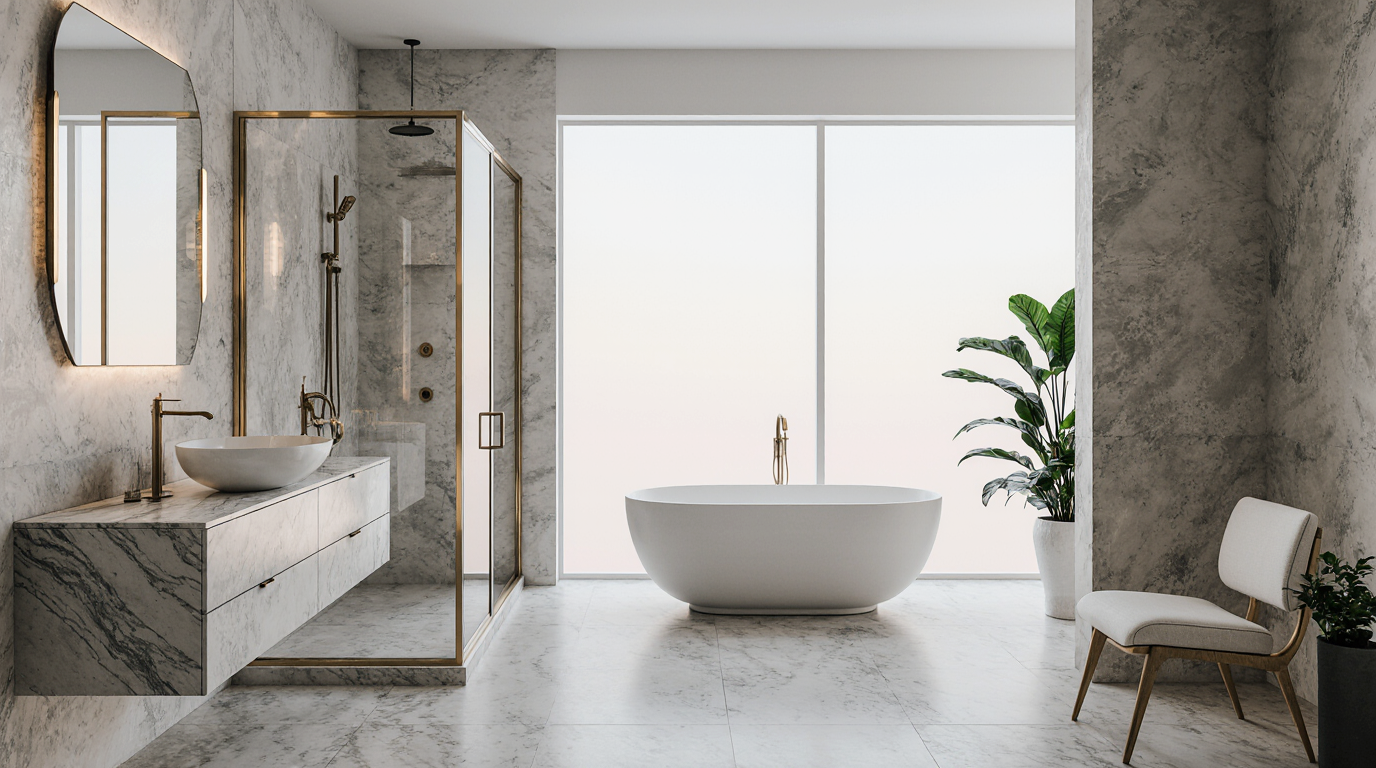
The selection of materials is fundamental to defining a luxury suite's character. Natural stone, such as exotic granite, book-matched marble, or shimmering onyx, is often used to cover expansive walls or create a stunning focal point around the tub. These materials are investments, but their distinct patterns and tactile surface provide a depth and richness that cannot be replicated. Combining different textures, like smooth stone with rustic wood veneer or sleek chrome accents with opaque glass, adds layers of visual sophistication.
Technology is subtly woven into the design of a genuinely luxurious bathroom. Features might include high-tech toilets offering personalized automation, radiant floor heating controllable via a smart device, and programmable digital showers that recall ideal heat and flow settings. Hidden media screens behind bathroom mirrors, allow for music or news viewing without disrupting the sophisticated aesthetic. This subtle integration ensures comfort and convenience are always at the user’s fingertips.
The definition of a luxury suite culminates in the inclusion of specialized amenities focused on unwinding. This could manifest as a deep, freestanding soaking tub—perhaps a traditional Japanese-style ofuro or a sculptural copper model—positioned near a large window to take in the scenery. Alternatively, a steam shower or a private sauna room offers therapeutic benefits, transforming the bathroom into an everyday sanctuary. When thoughtful design meets unparalleled comfort, the result is a bathroom that is truly a haven of contemporary comfort.
Large Bathroom Wall Decor Sarasota FLIn a large bathroom, the vast wall area offers a great chance for design but also a distinct difficulty: how to fill the area in a way that is impactful, cohesive, and doesn't feel cluttered. Unlike smaller rooms where a single mirror might suffice, a large bathroom demands confident, intentional wall decoration that complements the scale of the room, ensuring the walls feel grounded and deliberate rather than bare and too spacious.
One effective approach is the use of oversized artwork. A single, large-scale statement piece—be it a striking abstract work, a colorful piece of photography, or a huge watercolor composition—can instantly become the room's focal point, especially when hung above a soaking tub or an extended dual-sink countertop. Ensure the art is well-framed and sealed against humidity, or choose artwork constructed from humidity-resistant materials like metal or treated canvas which naturally resist humidity, preserving the artwork’s condition.
Beyond traditional art, using innovative wall finishes can serve a decorative purpose on its own. Consider a feature wall clad in a highly tactile surface, such as reclaimed wood planks, geometric 3D tiles, or a unique mosaic pattern. This adds structural flair and a sense of touch without relying on separate decorative items. When applied to the wall facing the doorway, it draws the eye into the room, emphasizing the bathroom's grand scale and intentional aesthetic.
Furthermore, leveraging mirrors is essential in a large space, not just for function, but for decor. Instead of one large mirror, consider two ornately framed mirrors over the double sink, or a collection of round or angular mirrors hung in a cluster. This approach adds visual segmentation, enhances the design's intricate appeal, and reflects light beautifully, further enhancing the feeling of openness and luxury within the grand scale of the large bathroom.
Shower Remodel Cost Sarasota FLUnderstanding the cost of a shower remodel is essential for any homeowner thinking about a bathroom update, as expenses can vary significantly based on the extent of the work, the products chosen, and the contractor's fees. Usually, a minor shower cosmetic overhaul involving new tile, a standard fixture replacement, and a simple glass door can cost far less than a total, customized reconstruction that involves relocating plumbing and reconfiguring the layout.
The biggest factor in the overall budget is typically the products. Inexpensive options include standard ceramic or subway tiles, while natural stone like marble or granite, or designer glass mosaics, will elevate the expenditure. Similarly, the hardware selections range from standard chrome fittings to high-end digital valves, multiple showerheads, or specialized finishes like oil-rubbed bronze or matte black, each driving up the supply price.
Labor costs are another major factor and are highly dependent on the intricacy of the job. A remodel that requires taking out old walls and putting up new ones, moving the drain line, or installing a new ventilation system demands specialized contractor work, increasing the duration and the price of the project. If you are opting for a custom shower with complex tiling patterns or intricate glass enclosures, prepare for increased fitting costs due to the specialized skill and time required.
To manage the shower remodel cost effectively, prioritize the elements that offer the most value for your everyday needs. Investing in high-quality waterproofing is non-negotiable, as leaks can lead to much costlier fixes later. Homeowners often find that spending more on a durable, beautiful tile and a high-efficiency shower system provides the greatest immediate and lasting pleasure, balancing necessary functional costs with desirable aesthetic upgrades.
Walk-in Shower Remodel Sarasota FLA walk-in shower remodel is one of the most transformative upgrades you can make to any bathroom, quickly making the room better with a modern, spa-like aesthetic. Beyond the visual appeal, this renovation is extremely useful, offering barrier-free access that improves safety and accessibility, a key consideration for long-term home value. The open design removes visual clutter, making even a compact washroom feel significantly larger and more luxurious.
The foundation of a successful walk-in shower lies in impeccable waterproofing. Unlike standard showers, a true walk-in setup often involves a curbless or low-curb design, which requires a professionally sloped floor and robust sub-surface membrane. High-quality systems like those using Schluter or Wedi products are essential to ensure a watertight enclosure, protecting your home from moisture damage. Investing in the proper materials and skilled installation at this stage prevents costly issues down the line.
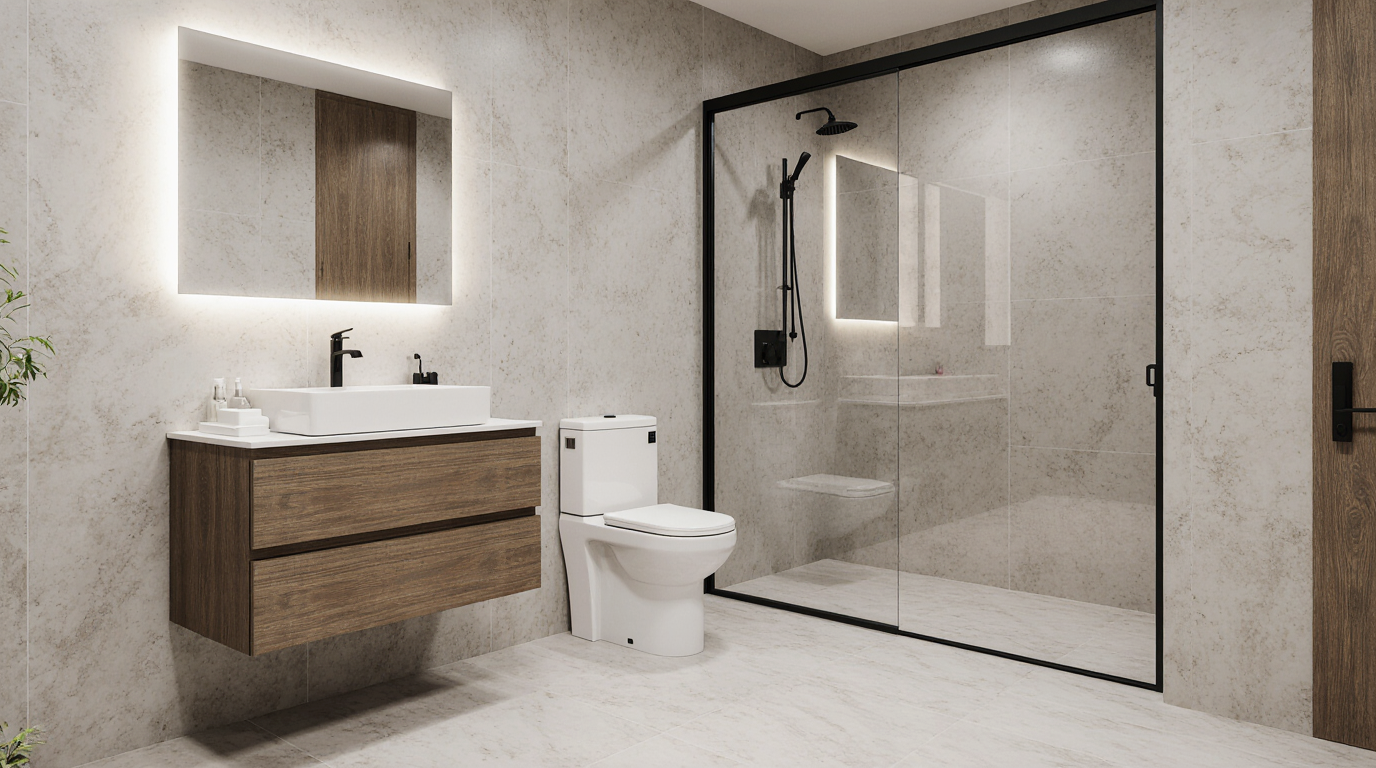
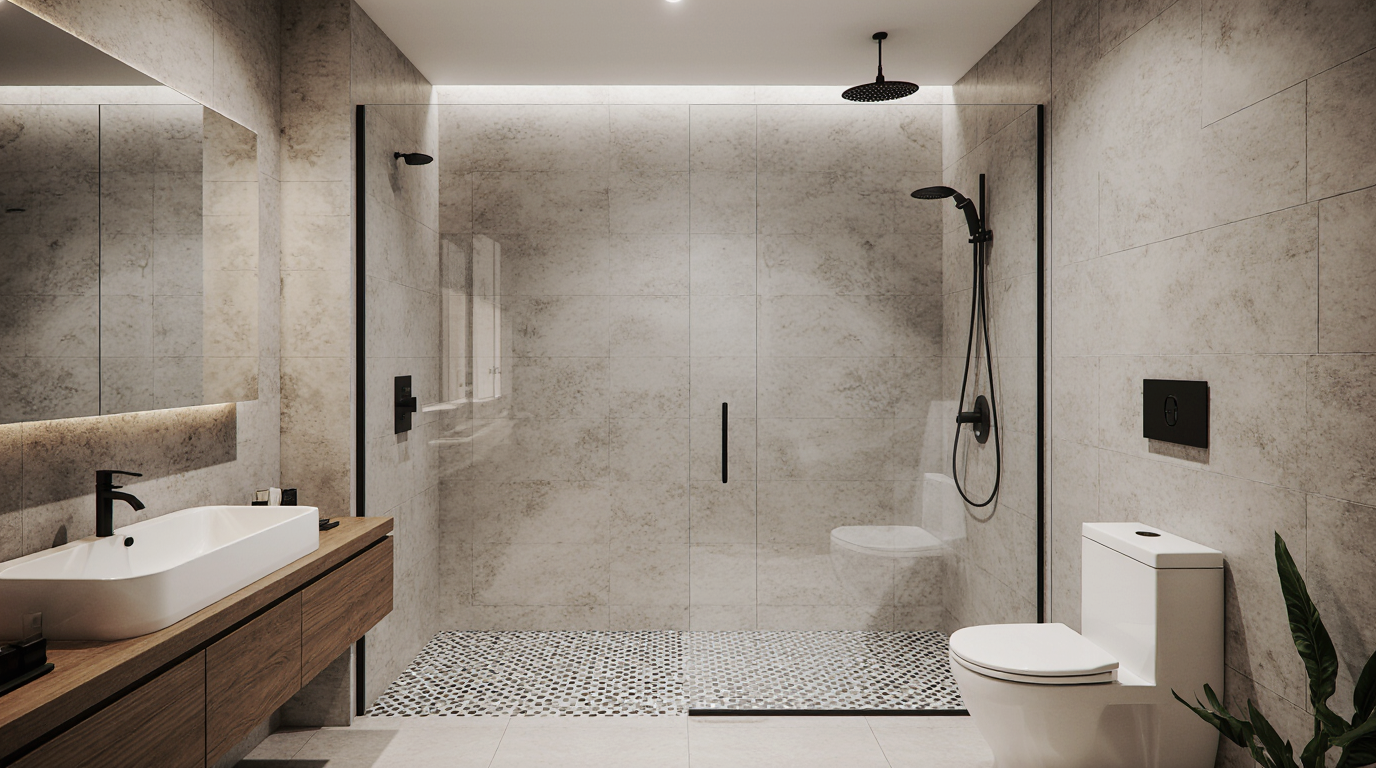
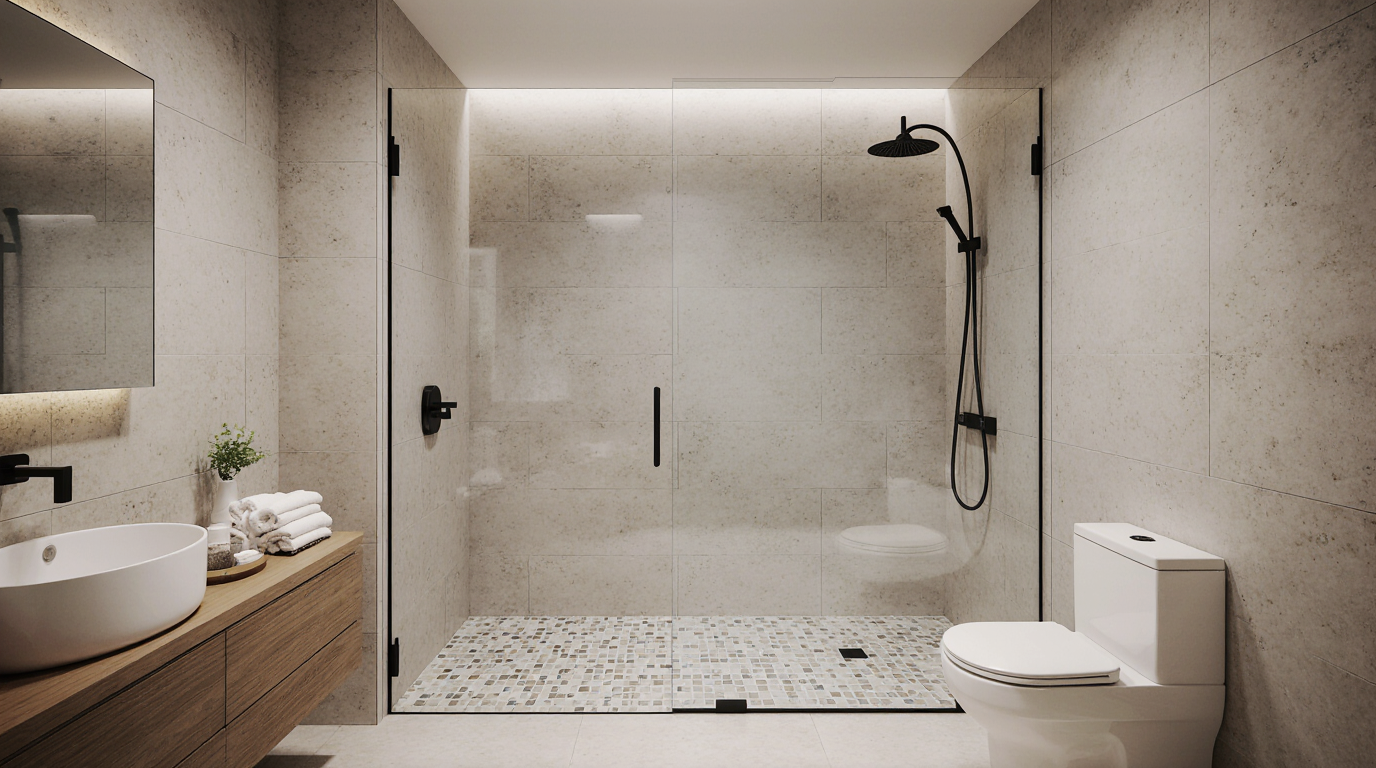
When it comes to design, maximizing light and space is paramount. Opting for a frameless glass enclosure is a smart choice, as the clear glass allows light to pass through uninterrupted, improving the sense of openness. Big tiles for the walls and floor, often continued from the main bathroom floor into the shower area, minimize grout lines, and create a seamless, cohesive look. Consider adding a built-in niche for toiletries and a linear drain for a sleek, contemporary finish.
Finally, make your new shower unique with great hardware. A dual or rainfall shower head can turn a daily routine into a refreshing moment. Pair these with modern tapware in finishes like matte black or brushed gold to add a sophisticated flair. A well-executed walk-in shower remodel blends utility and aesthetics, creating a high-impact space that is visually stunning and designed for your requirements.
Affordable Bathroom Renovations Sarasota FLAchieving a stylish bathroom renovation doesn't have to break the bank; the key is smart planning and making strategic decisions. The most critical rule for keeping costs down is to avoid moving the plumbing. Shifting the location of the toilet, sink, or shower dramatically alters the layout and significantly drives up labor expenses, frequently the biggest cost in any renovation. By sticking to the existing 'footprint', you save money for more visible cosmetic improvements.
Prioritize high-impact changes to surfaces within your budget. Instead of fully replacing intact but dated tiles, think about an expert-applied epoxy coating for a new surface. This offers a brand new aesthetic for a fraction of the cost of demolition and re-tiling. Similarly, rather than installing a brand new vanity unit, a simple paint job on the existing cabinet and a replacement countertop or new hardware can provide a huge visual lift for minimal expense.
Another effective, low-cost strategy is to update the fixtures. A quick swap of outdated fixtures—like the shower head, faucet, and towel rack—for coordinating modern styles (e.g., polished chrome or matte black) provides an instant aesthetic modernization. New lighting is also a powerful tool; switching to energy-efficient LED fixtures or adding a stylish mirror with integrated backlighting can illuminate the room and lend a more refined atmosphere.
Remember to leverage DIY for basic tasks where possible, such as painting the walls, installing a new light fixture (after turning off the power!), or laying a vinyl floor. Prioritize the quality of your key purchases, like the toilet or vanity top, and look for sales or clearance items for your tiles and accessories. An affordable renovation is about being resourceful and selective with your spending to achieve the biggest visual return.
Small Bathroom Remodel Sarasota FLA remodel of a compact bathroom offers an ideal opportunity to utilize every available inch, converting a small area into a highly functional, stylish haven. The design challenge is to create an illusion of space and ensure a fluid, comfortable user experience. This starts with a strategic layout and the careful selection of space-saving fixtures.
To achieve a more open feel, embrace 'visual permeability.' This means choosing design elements that allow the eye to travel freely. A floating vanity, for example, leaves the floor visible, which suggests a larger overall footprint. Similarly, replacing a bulky shower curtain with a clear, frameless glass shower door visually extends the room to the back wall of the shower. Light and bright color palettes are your best allies, as white or soft neutral tones reflect light and prevent the walls from closing in.
Storage in a small bathroom must be smart and vertical. Built-in storage is crucial; using a medicine cabinet recessed into the wall and adding shower niches gets rid of jutting-out shelves and reduces clutter. Above the toilet is often an underutilized area perfect for attractive, open shelving for linens or decorative items. Look for multi-functional pieces, such as a vanity with drawers specifically designed for organizing small toiletries.
Finally, use clever tricks to amplify light and dimension. A wall-to-wall or generously sized mirror will reflect light and space, making the room seem twice its actual size. Good lighting is also critical; layering ambient, task, and accent lighting prevents dark corners and ensures the room feels bright and inviting. By focusing on maximizing space and light, a small bathroom can feel surprisingly grand.
Small Bathroom with Shower Layout Sarasota FLMeticulous planning is required when designing a small bathroom with a full shower to ensure the layout is functional and doesn't feel suffocating. The key is to optimize the placement of the three main fixtures: the toilet, the vanity/sink, and the shower. The best common setup is a straight layout, placing all three along one wall, which simplifies plumbing and is thus the most cost-effective option.
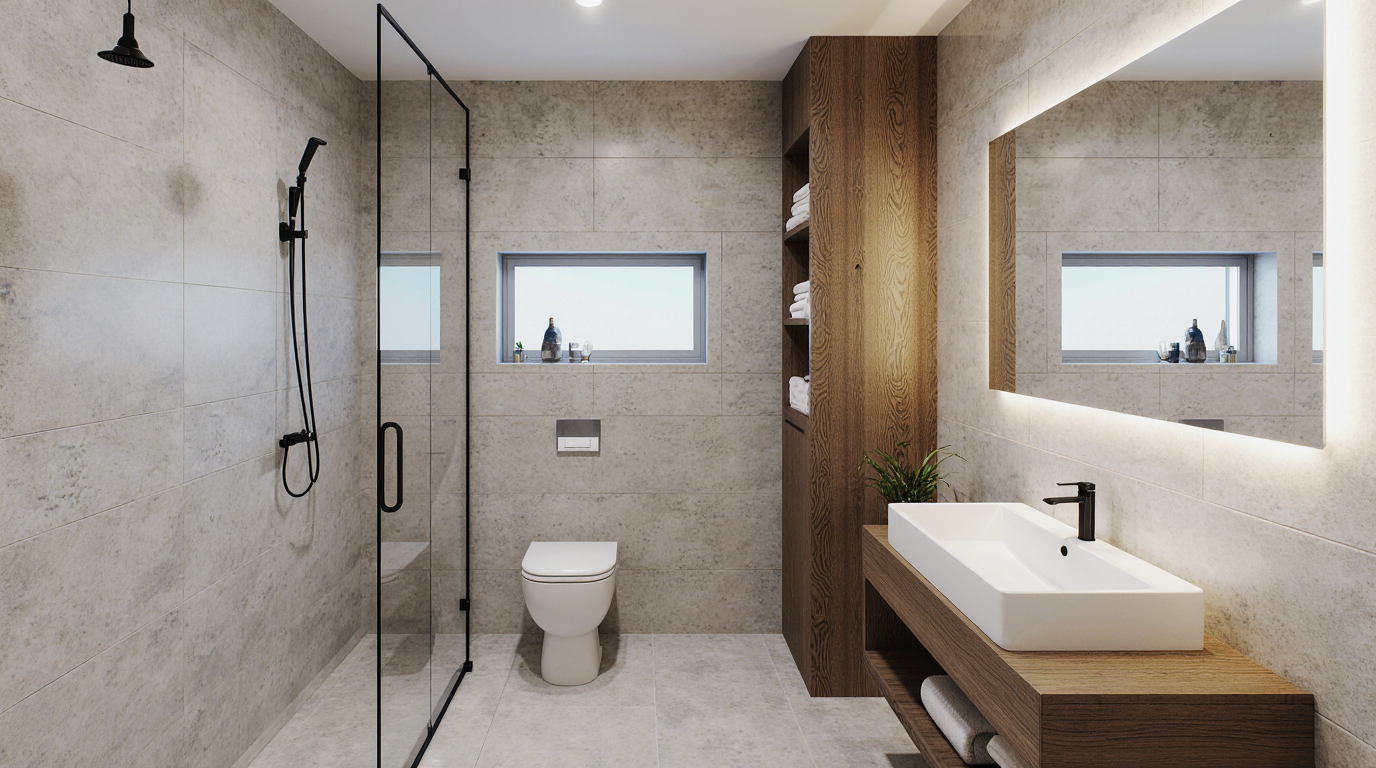
The shower itself is the centerpiece in a small space and should be treated to maximize functionality without the room feeling overwhelmed. If you are dealing with a corner space, opt for a quadrant or neo-angle shower enclosure, as these cut corners to save floor space and improve traffic flow. Where possible, a curbless walk-in shower with a clear, frameless glass panel is superior, as it visually expands the room by creating a continuous floor plane.
It's crucial to select the right size and type of vanity. A pedestal sink saves floor space and enhances a vintage or minimalist look, but if storage is necessary, a wall-mounted or floating vanity is the better choice. It provides storage while keeping the floor visible, maintaining the illusion of space. Ensure the vanity is appropriately scaled; for the smallest spaces, a narrow trough sink or a corner sink can be the best fit.
Each element in the layout should serve a dual purpose. Use the vertical space above the toilet for open shelving or a slim, tall storage cabinet. Ensure the swing of the bathroom door and the shower door do not obstruct the path or clash with other fixtures. In the tightest spaces, a pocket door or a sliding barn door is worth considering to eliminate door swing completely, thereby freeing up valuable floor space within the room's critical design envelope.
Very Small Bathroom Ideas Sarasota FLA very small bathroom, often a powder room or a guest bath, demands creativity where each design decision aims to create maximum impact in minimal square footage. The guiding principle for these tight spaces is simplicity, utility, and the manipulation of visual perception to make the room feel larger than it is. This is where big ideas can be applied to small spaces.
Instead of fighting the small scale, embrace it with a focused design element. Since the space is small, you can afford to use higher-end materials in limited quantities. For example, a dramatic, patterned tile on one wall or a striking, bold wallpaper can distract the eye from the room's size by turning it into a jewel box. This 'statement wall' approach provides sophistication and personality.
Fixtures must be chosen for their compact dimensions. Opt for a compact or wall-mounted toilet instead of a standard one; the latter visually expands the space by exposing the floor and hiding the tank. As mentioned previously, for the sink, a wall-mounted basin, a corner sink, or a space-saving trough design is essential. Use a sleek, wall-mounted faucet that adds a modern, clean line and frees up the counter space.
Finally, lighting and mirrors are the secret weapons for very small bathrooms. A large, well-placed mirror is the most effective single tool for increasing the perception of space, as it reflects the entire room. Complement this with layered lighting, such as a stylish overhead fixture and maybe a small light above the mirror. Keeping the floor clear and the colors light will ensure that even the smallest bathroom feels intentionally designed, bright, and airy.
Small Bathroom Decor Sarasota FLDesigning a small bathroom can be a tricky but satisfying task. The key lies in smart strategy and employing design techniques that maximize space and light, turning a small room into a stunning, practical retreat. The goal is not just to fit essentials but to design a space that is open, airy, and reflective of your personal style. By focusing on light palettes, clever organization, and light-bouncing materials, the smallest of bathrooms can achieve a sophisticated and spacious feel.
One of the best techniques for small spaces is embracing a light and bright color scheme. Off-white, beige, and light silver are ideal selections for walls and fixtures as they reflect light, giving the illusion of a larger room. However, this doesn't mean you must avoid color entirely. Introduce pops of personality via a vibrant floor mat, boldly patterned linens, or a eye-catching curtain. These elements add visual interest without cluttering the area, providing a touch of drama that is easily changed when you desire a new look.
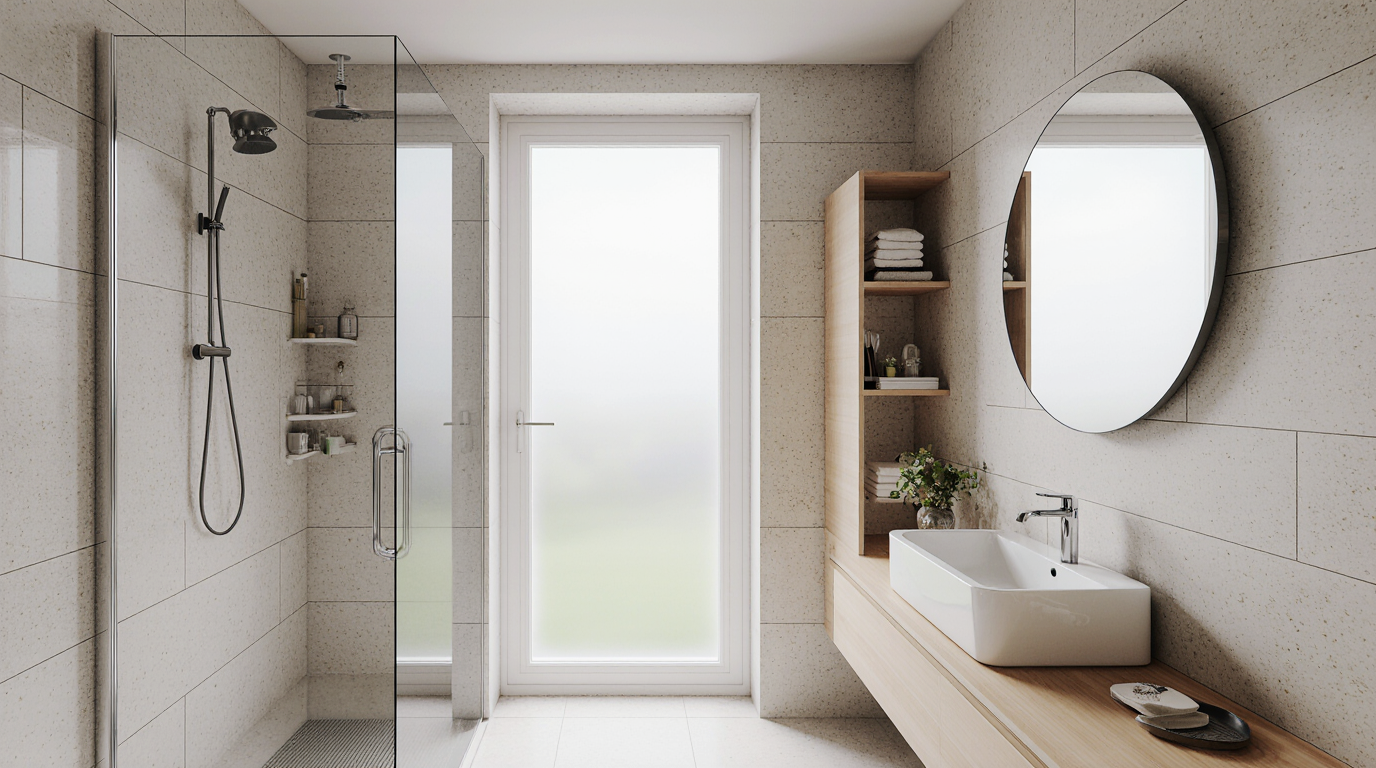
Storage is paramount in a small bathroom to maintain a clutter-free environment. Utilize vertical space by adding tiered shelving above the toilet or along an open wall. A narrow, built-in mirror cabinet is a far better choice than a bulky wall-mounted one, as it offers essential storage without protruding into the room. Consider a vanity with open shelving or a small, sleek pedestal sink to maximize floor visibility, which helps the space look bigger right away. Hooks on the back of the door are also great for hanging gowns and towels, storing them neatly and hidden away.
To better promote the illusion of size, focus on materials and fixtures that allow the eye to sweep across the room. Swapping out a standard shower liner with a clear, frameless glass shower door visually removes a "wall", creating a longer sightline. Large-format tiles, placed side-by-side, minimize grout lines and can fool the brain into believing it's broader. Finally, layering lighting—a blend of functional, atmospheric, and main illumination—eliminates shadows and ensures the area is well-lit and cheerful. These simple yet effective decor choices will upgrade your tiny washroom look.
Contemporary Bathroom Vanity Sarasota FLThe contemporary bathroom vanity is the centerpiece of modern design, characterized by clean lines, minimalist hardware, and a balance of design and practicality. In contrast to older vanities, the contemporary vanity often favors unadorned looks, sleek surfaces, and innovative materials to design a style that is current and lasting. Selecting the ideal unit is key, as it sets the tone for the entire bathroom aesthetic, offering practical organization while acting as a major style statement.
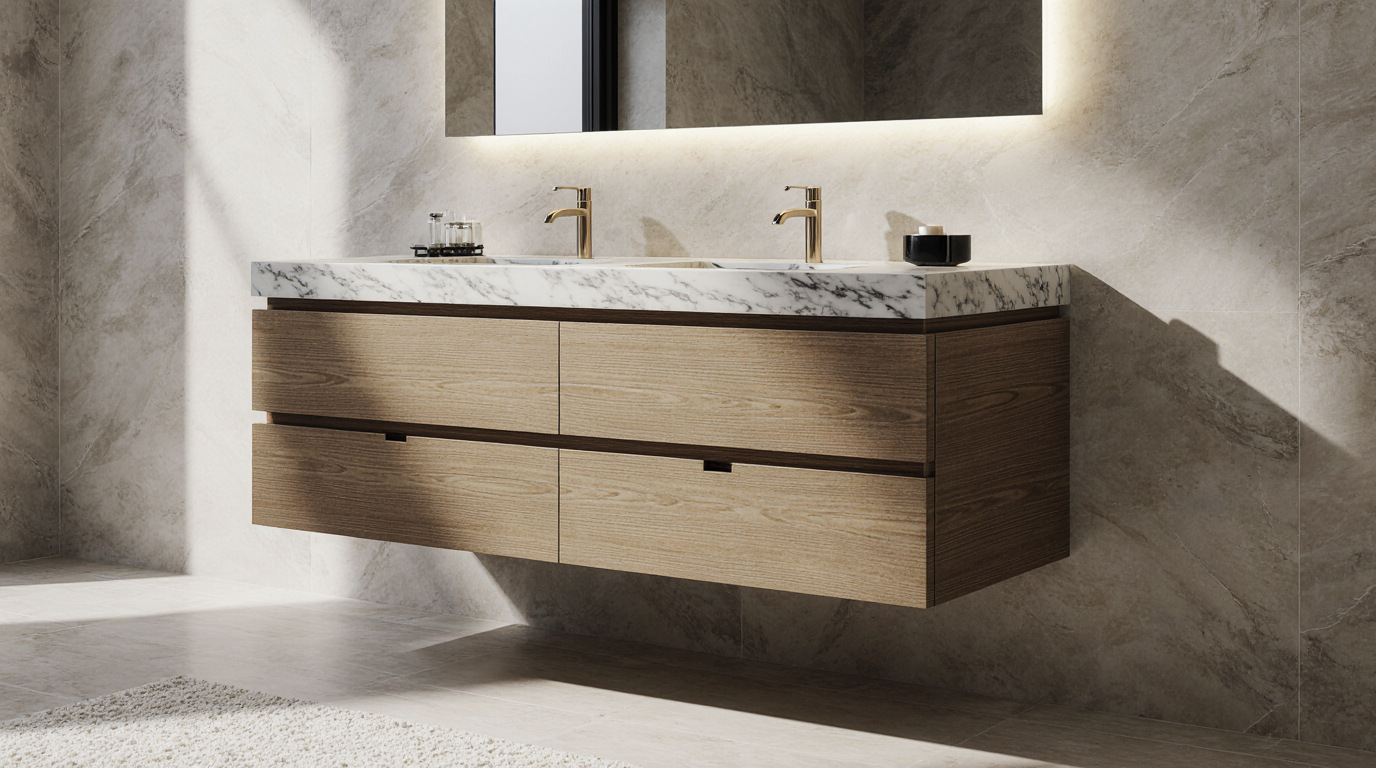
A hallmark of contemporary style is the floating, or wall-mounted, vanity. This design choice is eye-catching, making the floor area seem bigger, which is a great asset in any washroom. Floating vanities typically feature slab doors or drawers, often handle-less with a push-to-open mechanism, keeping a streamlined, neat exterior. Materials range from shiny varnishes and deep-toned timbers such as oak or cherry, to matte finishes in tones of charcoal, snow, or midnight, all selected for their seamless, sophisticated appearance.
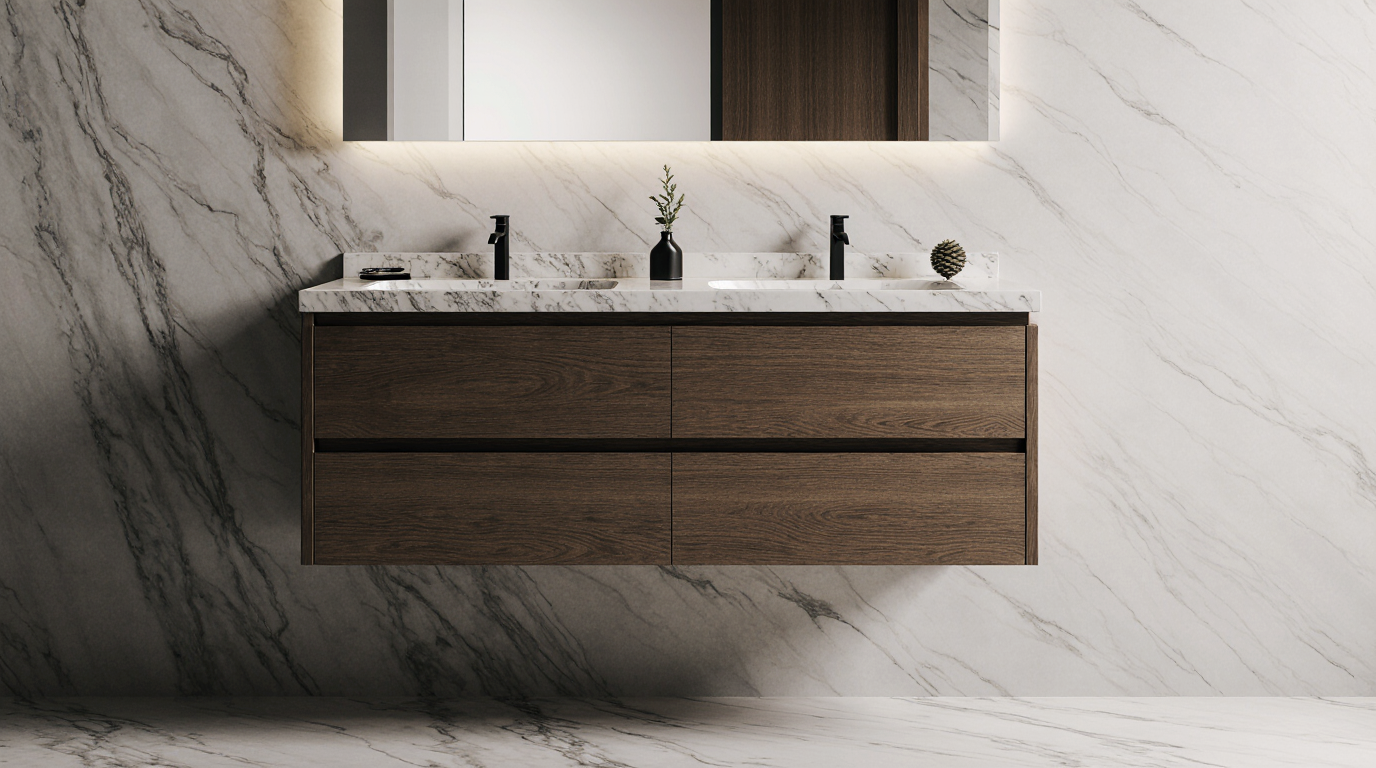
The countertop and sink design also are key to the sleek aesthetic. Integrated sinks, where the vanity top and sink form a single unit (often porcelain or a solid surface material), are a frequently selected option for their seamless, simple-to-maintain finish and uninterrupted lines. Alternatively, a modern vessel sink, which rests on the vanity top, can add an architectural element, though attention must be paid to its scale and shape. Countertop materials typically lean towards quartz, granite, or solid surface materials, chosen for their durability and sleek, uniform look.
To complete the contemporary aesthetic, pair your vanity with minimalist fixtures. Faucets should be streamlined, often with a one-lever control and a polished chrome or matte black finish. Lighting is another key factor; think about low-profile strip lighting to accentuate the 'floating' effect, along with a unadorned, framed looking glass or one with integrated backlighting. The contemporary vanity is beyond a simple washing station; it is a statement piece that personifies refinement, ease, and 21st-century design.
Bathroom Double Vanity Mirror Ideas Sarasota FLA double vanity is a much-coveted element, offering both opulence and utility in a joint washroom. The mirror arrangement above this wide vanity is crucial, as it impacts both the sightline harmony and the room's overarching décor. Rather than being mere reflections, the mirrors should be treated as active decorative components that match the vanity's scale and your desired style. The right mirror strategy can enhance light, create a focal point, and maximize the feeling of space.
A frequently chosen strategy utilizes a pair of distinct mirrors, one aligned with each sink. This allows for separate getting-ready zones and contributes a symmetrical look. The size and shape of these mirrors offer a chance for personalization: two sizable, circular mirrors are able to gentle the sharp angles of a rectangular fixture, while a set of vertical, rectangular mirrors will lift the focus, stressing the height of the space. Framing the mirrors can also introduce texture or color; for a modern look, consider thin black metal frames, and for a traditional, cozy appearance, pick wood material.
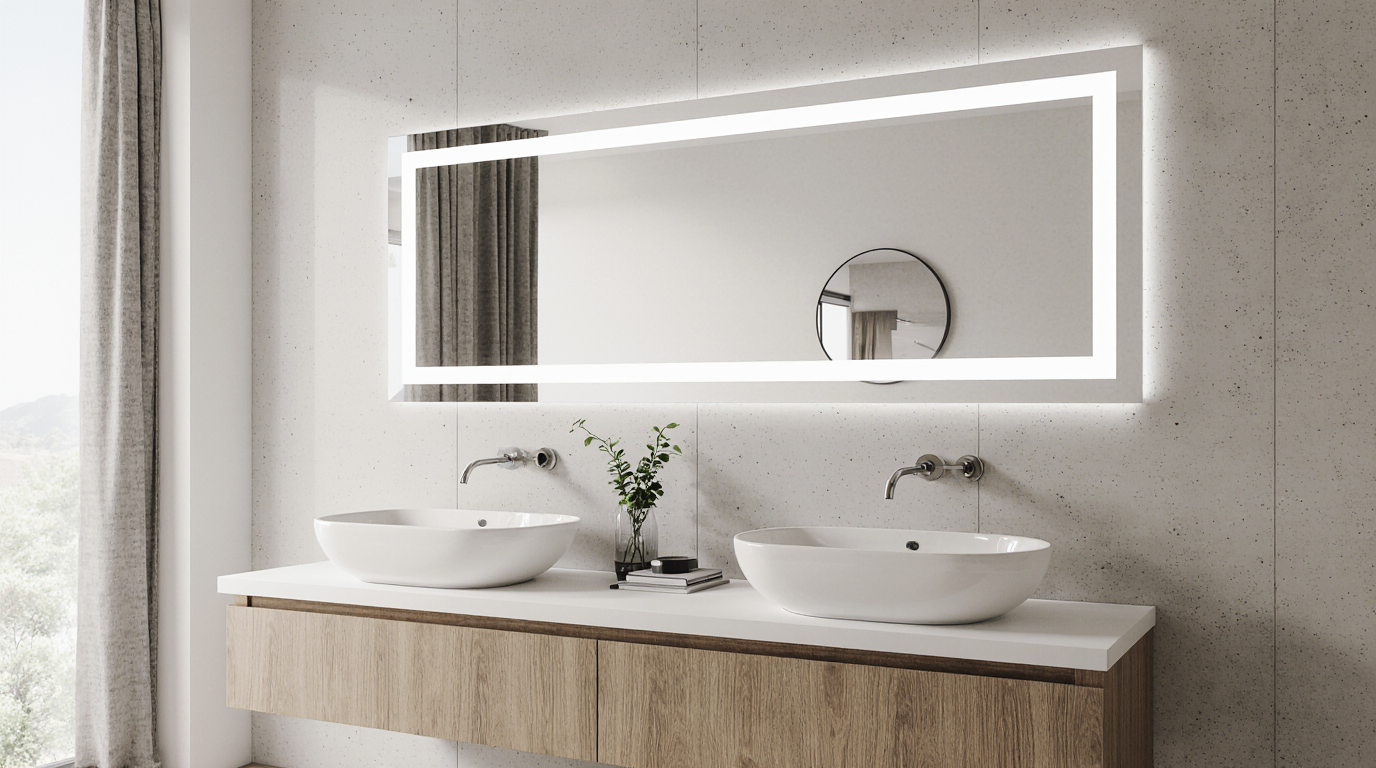
Conversely, a lone, wide mirror can span the full width of the dual sink unit. This creates a smooth and integrated aesthetic, often causing the washroom to seem substantially more spacious through the increased reflection of light and area. To keep this large surface from feeling too utilitarian, be sure to give the mirror an attractive border, or consider a backlit design without a frame for a sleek, refined style. A single mirror simplifies the visual space, providing a sleek backdrop for the vanity and its accessories.
In addition to shape and number, current mirror technology provides improved utility. Mirrors that light up with built-in LED systems offer ideal, even light for personal care and eliminate the necessity for wall lights that might overcrowd the area. Mirrors on medicine cabinets, be they built-in or externally fixed, serve a twofold function, cleverly concealing storage behind a reflective surface. Whichever route you choose, the mirror arrangement over your double vanity needs to eventually correspond to the bathroom’s décor and the users' functional requirements.
Bathroom Remodel Tub Shower Combo Sarasota FLThe tub-shower combo continues to be a traditional and supremely useful option for a washroom renovation, especially in guest bathrooms or homes where bathing a young child is a necessity. Modern design has elevated this combination from a purely functional necessity to a sleek, aesthetically pleasing feature. When planning a remodel, the tub-shower combo provides space for both a soak and a separate shower within one dedicated wet zone, delivering top-tier usefulness while maintaining a great look.
The choice of the surrounding barrier is a key decision in a contemporary tub-shower unit. Moving beyond the traditional shower curtain, a clear, frameless glass panel or door instantly upgrades the look. Glass enclosures minimize visual obstruction, making the bathroom feel more open and luxurious. If space allows, a partial glass wall with an accessible walk-in opening can offer a refined, modern vibe, but a totally enclosed glass panel is best for effective water management and heat retention during bathing.
The choice of tile within the wet area offers the best chance to make a strong visual statement. You can utilize one type of tile for the entire wet area—the tub facing, walls, and floor—to build a consistent, tranquil space. Alternatively, bring in a decorative wall—maybe a vertical band or a soap niche tiled with a colorful mosaic or a unique pattern like subway or hexagon—to give the eye somewhere to rest. Using a more subdued or patterned tile on the floor may also stabilize the look and give essential counterpoint.
Finally, consider the fittings and fixed conveniences. A top-down showerhead, a removable wand, and sleek, wall-attached controls can change how you shower. A wall-inset shelf is vital for organizing toiletries, keeping them away from the rim of the tub for a neater feel. By focusing on quality materials, clear sightlines, and smart, accessible fixtures, a tub-shower combo can be one of the most successful and cost-effective elements of a complete bathroom remodel.
Small Bathroom with Shower Layout Sarasota FLPlanning a compact bathroom featuring a full shower requires careful planning to make the most of limited square footage without compromising comfort or flow. The layout must prioritize functionality, with the main components—the toilet, sink/vanity, and shower—arranged in a sequence that is intuitive and maximizes the available square footage. A well-designed small bathroom can feel unexpectedly large and upscale, proving that size is less important than smart organization.
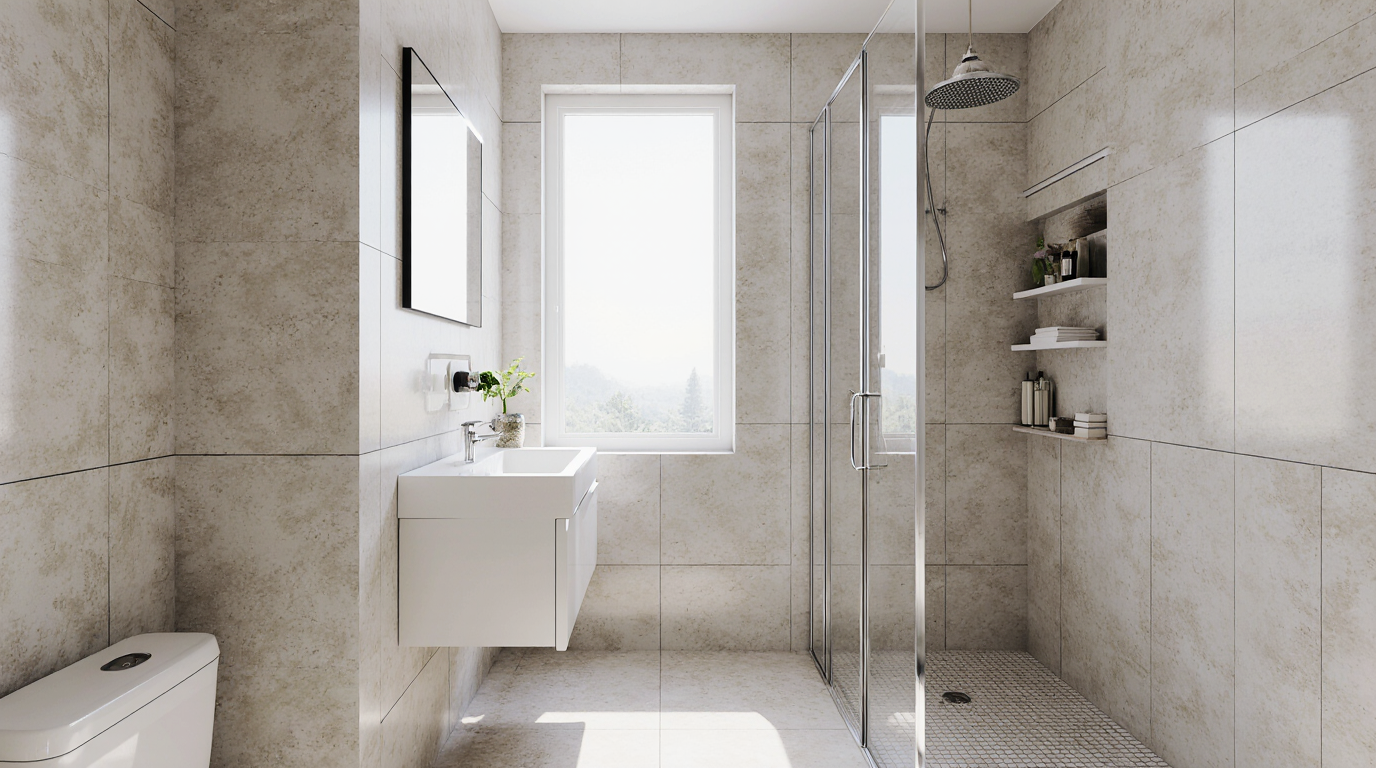
The placement of the shower is often the key determinant. In most small layouts, a corner shower enclosure, whether square or a neo-angle (five-sided), is the cleverest way to save room, freeing up wall area for the other fixtures. For the least visual clutter, the choice of enclosure is vital: a frameless glass door or panel is the preferred choice. The clear glass extends the visual line to the back wall of the shower, making the room seem longer and wider, whereas a frosted or framed door will visually chop the space and constrict it.
In terms of arrangement, the optimal layout typically aligns fixtures along one wall: placing the vanity, toilet, and shower/tub in a line from the door to the far wall. If the bathroom is more square than rectangular, the toilet should ideally be tucked away to the side, perhaps opposite the vanity, with the shower positioned to make use of the farthest corner. Ensuring the vanity is proportional to the space—frequently a streamlined floating sink—is also key to maximizing floor space and improving mobility within the room.
To further enhance the layout, integrate smart storage solutions and reflective surfaces. A full-width mirror over the vanity, a recessed medicine cabinet, and a tall mirror mounted on the entrance door's back can all reflect light and space, enhancing the visual footprint. Inside the shower, recessed niches or a small bench can provide storage without protruding. By combining an efficient layout with reflective surfaces and strategic component placement, a small bathroom with a shower can achieve an optimal balance of practical comfort and open design.
Bathroom Room Design Sarasota FLDesigning a bathroom is much more involved than just picking fixtures; it's about crafting a functional and restorative sanctuary. The fundamental step in any successful bathroom project is detailed floor plan creation. Consider the placement of key fixtures like the toilet, vanity, and shower/tub, mindful of where the pipes run and how the door opens. A well-thought-out layout maximizes square footage, ensuring smooth traffic flow and an ergonomic experience, whether you're working with a vast master bath or a compact powder room.
Beyond the floor plan, the choice of materials dramatically influences the room’s atmosphere. Tiles are crucial, dictating not only style but also safety and maintenance. Large-format tiles minimize grout lines, resulting in a smooth, expansive look, which is perfect for modern aesthetics. Conversely, small, patterned mosaics or penny rounds can provide rich visual interest to shower floors or feature walls. Always prioritize durable, moisture-resistant materials like porcelain, ceramic, or natural stone to withstand the humid bathroom environment.
Layered lighting is the key to both function and mood. An effective lighting plan involves three types: ambient (general ceiling light), task (vanity lights for grooming), and accent (strip lights under cabinets or in niches). Dimmers are a must, allowing you to switch from bright, functional morning light to a soft, relaxing glow for an evening soak. Furthermore, incorporating storage solutions, such as recessed medicine cabinets or floating shelves, helps maintain the clean, uncluttered look that is central to good design.
The final touches bring the entire vision together. Choose a cohesive color palette, typically built around 2-3 main hues and one consistent hardware finish to maintain visual harmony. From fixture pairing to selecting the perfect mirror, every element should contribute to the overall style narrative. By blending smart, functional design with carefully selected aesthetics, your bathroom renovation will result in a truly personalized and timeless space.
Bold Wallpaper Powder Room Sarasota FLThe guest half-bath, presents the ideal opportunity for high-impact, high-impact design choices. Because of its confined area and brief usage, it’s a space where you can be truly theatrical without fully adopting a theme that could dominate a larger area like a living room or master bath. Choosing impactful wallpaper is one of the best ways to inject personality and unforgettable glamour into this tiny room.
In choosing an expressive wall covering, consider patterns that truly pop. Focus on exaggerated nature motifs, busy geometric shapes, or a luxurious Art Deco print in striking metallic colors like shimmering metallics. These designs are perfect for a small room, turning a simple room into a glamorous treasure. The pattern should preferably harmonize with the main home's style but provide a clear visual difference, making the experience of entering the powder room a pleasant surprise.
However, bold design must still be functional. Make sure the wall covering is appropriate for humid conditions. While non-woven varieties are somewhat resistant to moisture, vinyl-coated wallpapers are often the most practical choice, as they are resistant to water and easily cleaned, providing maximum ease of maintenance. A professional installation is also key, particularly for complex designs, to ensure accurate pattern matching and a smooth, polished result.
To balance the wallpaper's intensity, keep other elements restrained. A streamlined floating or pedestal sink will let the paper take center stage. Pair the wallpaper with a complementary mirror—perhaps an ornate frame for a classic damask or a simple circular mirror for a contemporary design. Lastly, choose hardware and lighting that pull the look together, pulling the entire concept together into a unified and striking final look.
Bathroom Accessories Modern Sarasota FLFor a contemporary washroom, accessories are not just functional items; they are critical elements that complete the aesthetic and elevate the daily routine. The modern style emphasizes simplicity, uncluttered surfaces, and functional design. Therefore, each piece, from the toothbrush holder to the hand towel ring, must be chosen with a careful consideration of its sleek design and high-quality materials.
The core of modern accessories lies in their finish and geometric simplicity. Look for materials like matte black metal, brushed nickel, raw cement textures, or sleek marble. These finishes provide a tactile, high-end feel while adhering to a neutral or monochrome palette. Sets—including soap dishes, tumblers, and tissue box covers—should be uniform in color and material to maintain a cohesive, uncluttered vanity top. Steer clear of fussy or busy pieces that can break the sense of tranquility.
Beyond the vanity, consider modern hardware. Towel bars and hooks should feature simple linear forms or unadorned, round shapes. Floating shelves, often made of glass or light wood, provide accessible storage without adding visual weight. The aim is to have these functional pieces blend seamlessly into the room, rather than afterthoughts. Elements fixed to the wall, in particular, perfectly capture the modern desire for open space and minimal clutter.
The final touch is smart tech integration. High-tech features, such as touchless taps, anti-fog mirrors with integrated lighting, or even streamlined smart scales, combine cutting-edge features with a simple aesthetic. By focusing on accessories that are sleek, highly durable, and thoughtfully placed, you transform a functional room into a sophisticated, highly-organized, and contemporary sanctuary.
Luxury Bathroom Cabinets Sarasota FLLuxury bathroom cabinets serve as the cornerstone of a luxury washroom space, blending exceptional craftsmanship, finest resources, and bespoke features. These vanities go far beyond simple utility; they are furniture-grade pieces that define the room's character and provide a sense of timeless elegance. True luxury begins with the construction, often utilizing solid wood, high-density materials, and dovetail joinery for enduring quality.
The key to a high-quality vanity is the finish and detailing. Custom stains, high-gloss lacquers, or opulent, saturated colors like navy, forest green, or matte black instantly upgrade the unit. Door styles are equally important, ranging from traditional recessed panels that showcases fine detailing to unadorned flat doors favored in ultra-modern designs. The cabinet should look less like a utility piece and more like a treasured heirloom chest.
Luxury is also deeply tied to bespoke design and utility. Drawers should feature full-extension, soft-close slides, and often include custom internal organizational systems, such as specialized dividers for grooming supplies and accessories. For a spacious feel, floating vanities are a popular luxury choice, creating the illusion of increased openness and allowing opulent flooring to remain visible. Alternatively, a furniture-style freestanding vanity with graceful supports and choice handles anchors a classic or blended interior.
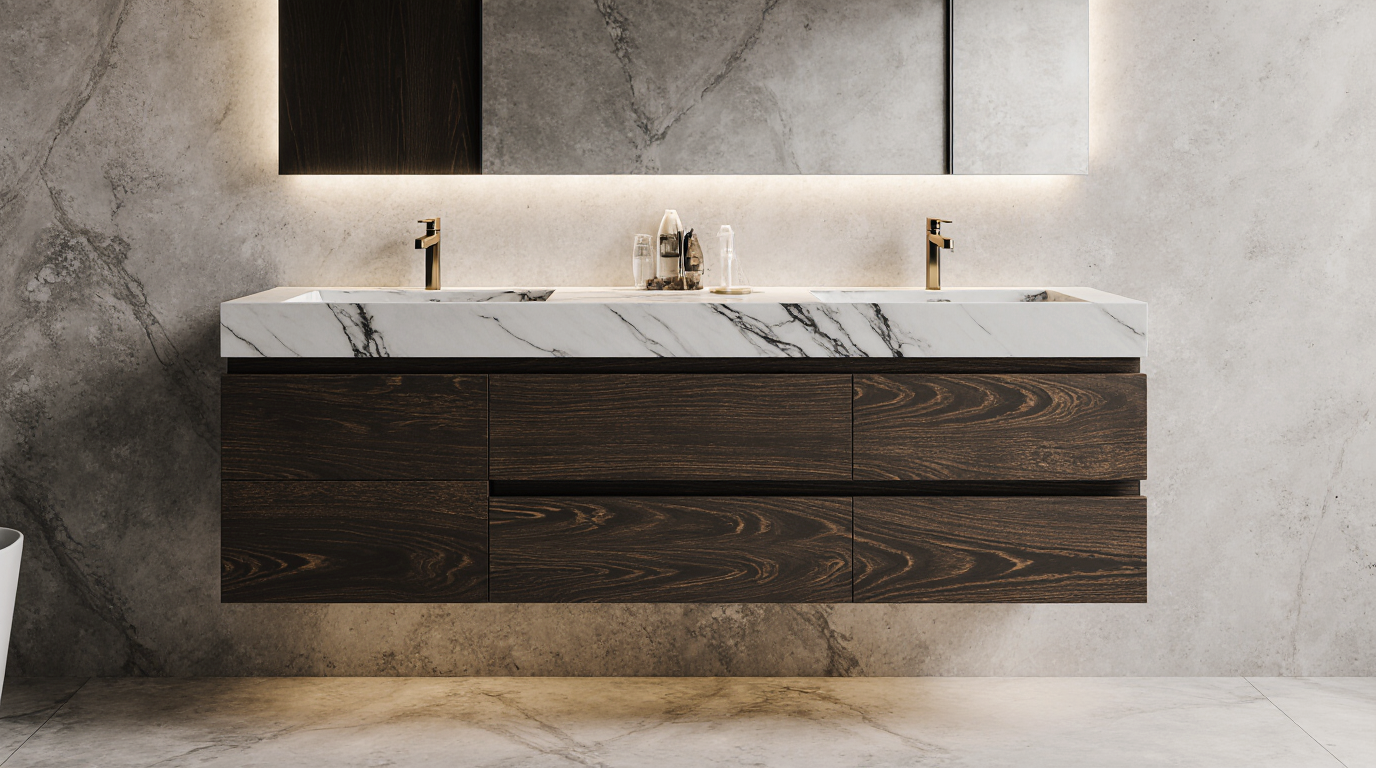
To complete the upscale look, pair the cabinet with a premium countertop and hardware. Think thick slabs of veined marble, quartz, or granite for the top, and metallic or textured hardware for the hardware. These choices not only enhance the cabinet’s aesthetic but also contribute to the overall **look and feel of the bathroom. Investing in luxury cabinetry ensures a vanity that is as durable and functional as it is breathtakingly beautiful.
Custom Built Vanity Cabinets Sarasota FLCustom-built vanity cabinets offer the ultimate solution for a bathroom design that is specifically designed to both the space and the user's specific needs. Unlike off-the-shelf options, a custom approach allows for exact dimensions, accommodating awkward angles, unusual plumbing configurations, or maximizing storage in compact or expansive spaces. This precision ensures a seamless, built-in look that significantly enhances the perceived value of the home.
The process of customization begins with an thorough requirements review. This includes determining the ideal height, depth, and counter space required for all users. Do you need a dedicated makeup area? Double sinks? Specific drawers for hair dryers and styling tools? Custom cabinets allow for the creation of one-of-a-kind organizing features, such as U-shaped drawers that bypass pipework or integrated charging stations concealed in a drawer.
Material selection is where custom design truly shines. Clients can choose from an extensive range of solid woods, veneers, and unique finishes that match the intended style of the space. This includes access to top-quality, resilient components and the ability to precisely coordinate the surface to other millwork in the home. Furthermore, custom builds ensure that the vanity's construction quality—from the box to the drawer slides—is of the most exceptional level, promising longevity.
Finally, a custom vanity cabinet is an opportunity to express a distinct design aesthetic that cannot be found elsewhere. Whether it's an unconventional color choice, a unique door profile, or specific hardware sourced from a specialized artisan, the final product is an original piece of furniture art. By investing in a custom-built vanity, homeowners achieve more than just great utility but a signature focal point that truly reflects their personal style and elevates the entire bathroom experience.
The Art of Optimization: Designing Custom Built Bathroom Cabinets Sarasota FLCustom cabinetry is the key element of a perfectly balanced bath space. Unlike mass-produced alternatives, custom-built units are precisely engineered to fit your exact space and storage requirements, turning awkward corners and underutilized vertical areas into smart, practical organizing systems. This bespoke approach ensures that every inch of your bathroom works harder for you, maximizing organization and minimizing clutter, which is essential for creating a peaceful, organized sanctuary.
The journey begins with a detailed design consultation, focusing on aesthetics and utility. Designers will consider the space for towels and supplies, the vertical clearance for tall bottles, and the ideal placement of drawers versus open shelving. Materials are another critical factor; options range from moisture-resistant engineered wood to premium timber such as maple or cherry, which can be stained or painted to match any decor style, from rustic farmhouse to sleek contemporary.
Beyond material choice, the real customization shines in the details. Hidden charging stations for styling appliances, pull-out hampers to keep laundry out of sight, and specialized drawer dividers for makeup and toiletries are all possibilities. These features transform the units from simple storage boxes to intelligent, integrated components of your daily routine. Investing in custom cabinetry means investing in a smoother, more organized start to your day.
Furthermore, custom options allow you to perfectly integrate your cabinetry with other bathroom features. Whether you have a unique sink shape, need to wrap a unit around a window, or wish to match the cabinets to existing trim work, a custom approach guarantees a smooth, professional finish. This integrated look is the hallmark of high-end design, adding significant value and sophistication to your home.
Elevating Style: Choosing a Fancy Bathroom Vanity Sarasota FLFar surpassing simple functionality, a "fancy" bathroom vanity functions as a statement piece, serving as the focal point that establishes the bathroom's entire aesthetic. They are defined by their excellent visual appeal, careful attention to detail, and the incorporation of premium materials that elevate a basic wash space into a luxurious sanctuary. Selecting a fancy vanity is a commitment to prioritizing superb aesthetics and a truly sophisticated presence.
The silhouette often dictates the initial visual impact of a fancy vanity. Consider highly detailed wood structures that hark back to classic European style, or perhaps a sleek floating design featuring clean, modern angles for a contemporary, architectural vibe. The choice of countertop is paramount; utilizing exotic natural stones such as rare marbles, or even a heavy, dramatically veined granite, significantly boosts the sense of luxury while offering a beautiful, long-lasting surface.
Hardware selections are crucial finishing touches that distinguish a luxury item from a basic one. Custom, oversized brass pulls, crystal knobs, or sleek, hidden finger pulls on a handleless design all influence the final look. Pair these with high-end fixtures, such as wall-mounted or waterfall faucets, to complete the sophisticated ensemble. The careful selection of components and style signals a commitment to quality and style.
To ensure your fancy vanity truly stands out, consider appropriate illumination. Stylish wall lamps or a hanging light fixture positioned around the reflective surface will highlight the vanity's craftsmanship and materials, casting a gentle, attractive light. Ultimately, a fancy bathroom vanity is an investment in your home's luxury, providing a daily sense of pampering and serving as a memorable design element for any guest.
The Benchmark of Quality: High End Bathroom Vanity Cabinets Sarasota FLHigh-end bathroom vanity cabinets represent the pinnacle of quality, durability, and luxury design. They are set apart by superior construction methods, premium-grade materials, and an unwavering attention to detail that ensures they will maintain their appearance and function flawlessly for decades. Choosing high-end is a choice for heirloom quality and timeless style over temporary trends.
These cabinets' superior construction is frequently achieved such as dovetail joints, solid wood face frames, and using furniture-grade plywood for the cabinet structure, never utilizing particleboard. The finish is crucial: they receive multiple coats of carefully prepared, high-grade finishes or catalyzed varnish, which gives them a deep, shimmering look while offering strong resistance against the typical bathroom humidity and moisture.
When it comes to aesthetics, high-end vanities typically include built-in organizational systems. The inclusion of soft-close drawer slides and hinges is mandatory, providing smooth and silent function. Internally, one may discover custom-designed inserts, cleverly hidden compartments, or integrated styling pull-outs. These interior features receive the same meticulous attention as the exterior, guaranteeing superb functionality.
Selecting a high-end cabinet also allows for truly bespoke material pairings. Imagine rich, exotic veneers or hand-painted cabinets paired with unique, book-matched stone countertops and integrated designer sinks. This level of customization allows the vanity to reflect a personal vision of luxury, making the bathroom a seamless extension of the home's overall high-caliber design.
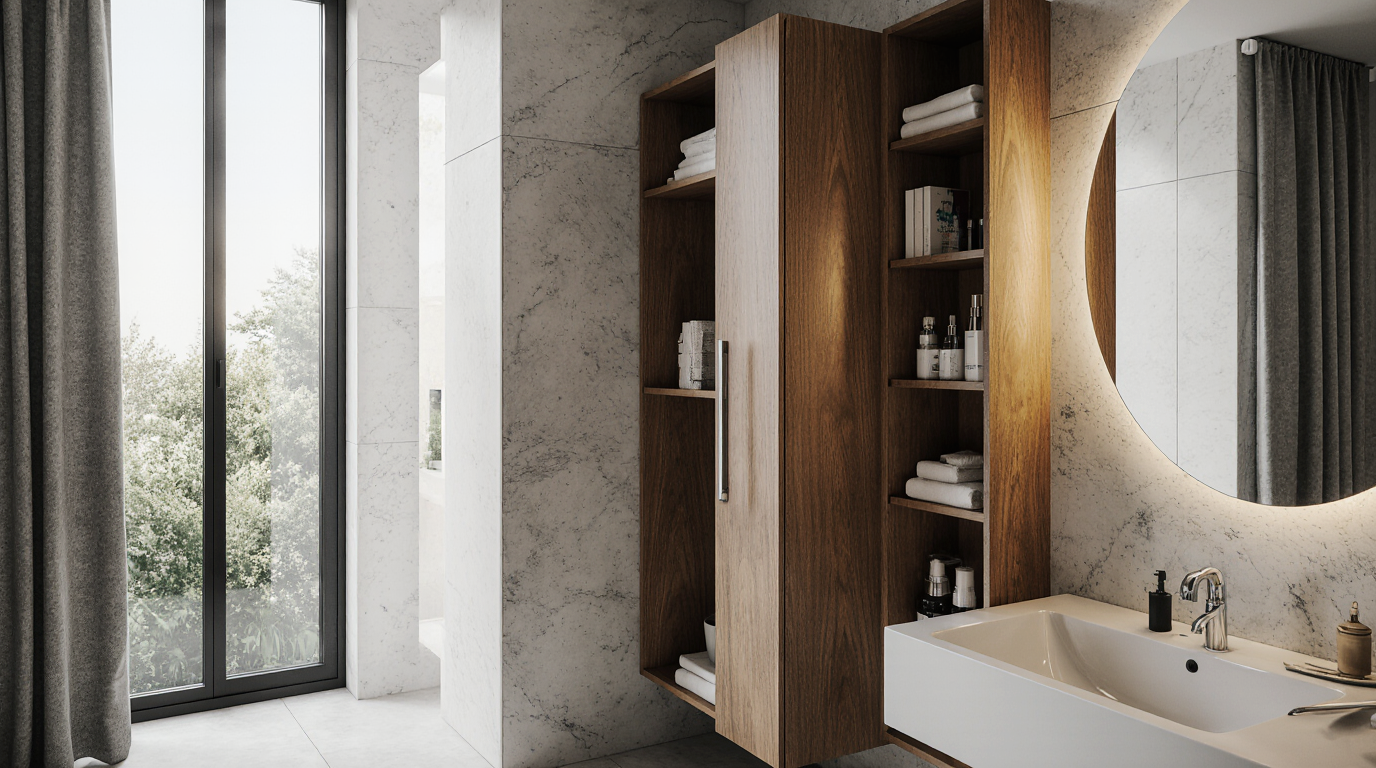
Maximizing Vertical Space with Custom Bathroom Wall Cabinets Sarasota FLCustom bathroom wall cabinets are a brilliant solution for adding significant storage without sacrificing valuable floor space, making them particularly essential for smaller bathrooms or powder rooms. By utilizing the vertical real estate above the vanity, toilet, or doorway, these cabinets offer a tailored way to organize essentials and keep surfaces clear of clutter.
A custom wall cabinet's main advantage is that it can be perfectly scaled to match your room's specific height and depth, eliminating the awkward appearance of standard, pre-made units. You can choose a narrow depth so the room doesn't feel cramped, or choose a taller unit to take full advantage of the ceiling height, providing ample space for storing towels, cleaning supplies, and bulk toiletries.
You can also customize the internal configuration, enabling you to design the perfect sections to meet specific storage demands. For instance, shelves that can be moved provide versatility for a wide range of product heights, while mirrored fronts can serve a dual purpose, acting as a functional mirror and visually expanding the room. Integrating small, open cubbies or display areas within the wall unit can also break up the mass and provide spots for decorative items.
When commissioning a custom wall cabinet, be sure to match the style and finish to your vanity and other bathroom hardware for a cohesive look. A professional cabinet maker can ensure the installation on the wall is both secure and visually flawless, so the cabinet looks like a continuous, built-in feature of the architecture instead of a later addition. This enhances functional storage capacity while improving the room's overall design.
Precision and Craftsmanship: Partnering with Bathroom Vanity Cabinet Makers Sarasota FLPartnering with professional bathroom vanity cabinet makers is the definitive path to achieving a truly customized, high-quality bathroom. These specialists offer a level of precision, material choice, and craftsmanship that standard retail options simply cannot match. Their expertise ensures your vanity becomes more than just a piece of furniture—it’s a painstakingly crafted, integral part of your home's system.
The core advantage of working with a dedicated cabinet maker is the access to specialized materials and finishes. They can source unique veneers, specific hardwoods, or moisture-proof, highly durable materials designed to handle the bathroom's humid conditions. Furthermore, they use time-tested construction methods—such as mortise-and-tenon or robust dowel joints—that result in a structure far more enduring than factory-assembled pieces.
The process requires close collaboration, beginning with careful measurements and conversations about your storage requirements and how you live. Cabinet makers translate these requirements into meticulous schematics, making sure the final vanity aligns perfectly with the wall, plumbing, and any particular design challenges of the space. This focus on exact dimensional precision is crucial, particularly for areas that are built-in or unconventionally sized.
Beyond the build itself, cabinet makers offer professional design advice, assisting you in choosing the perfect moldings, door styles, and finishes to suit your personal style and match your home's overall aesthetic. They manage the entire build process, from the very first material cut through to the finished installation, delivering a beautiful and perfectly built vanity that boosts both your bathroom’s value and its practicality.
In my experience designing and building bathroom cabinetry for homes across Sarasota County, from waterfront properties on Lido Key to new builds in Lakewood Ranch, the single most common point of fa…
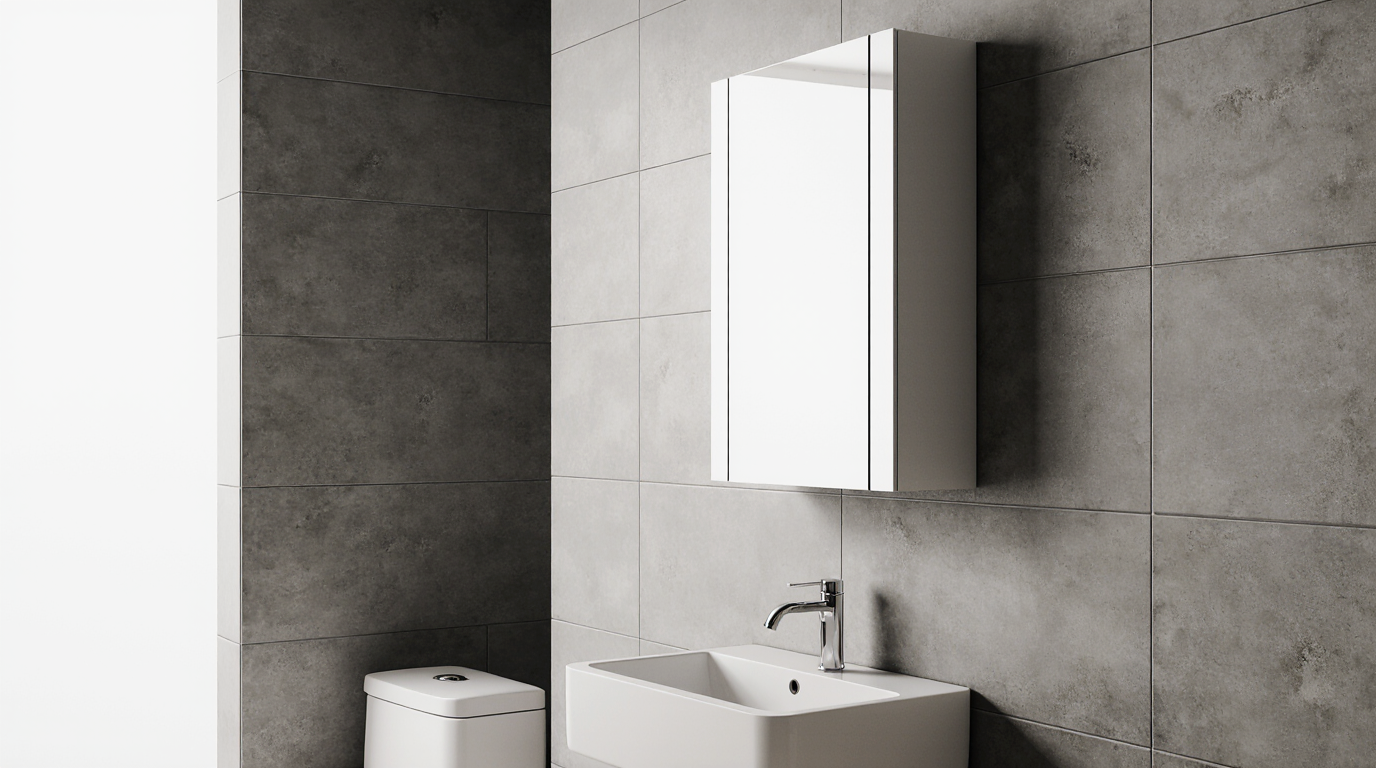
In my years crafting bespoke cabinetry for homes along Sarasota County's coastline, from Siesta Key to Lido Key, I’ve seen a recurring failure point: off-the-shelf medicine cabinets. Standard units,…
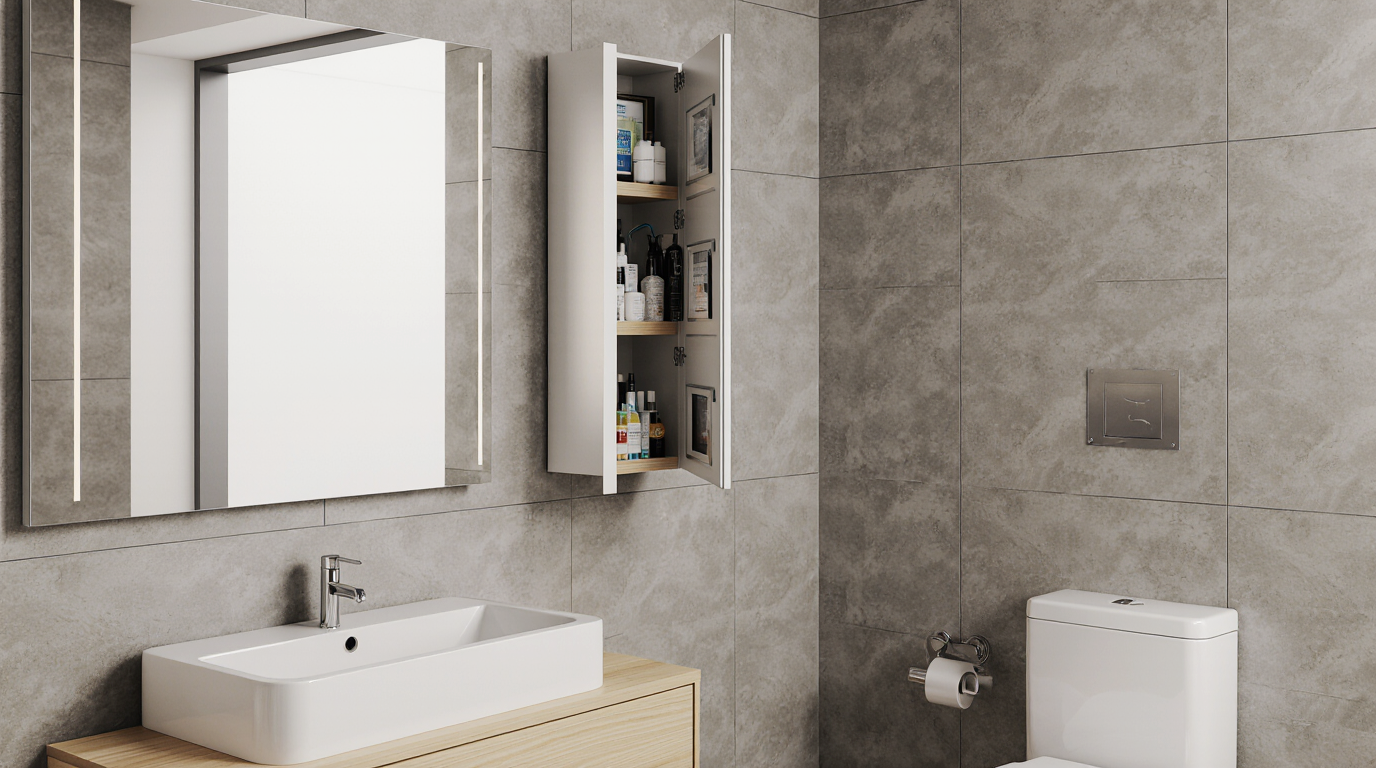
I’ve seen the same failure pattern in dozens of Sarasota County homes, from Siesta Key to Longboat Key: delaminated mirrors and swollen, warped medicine cabinet doors. This isn't a defect; it's a pre…
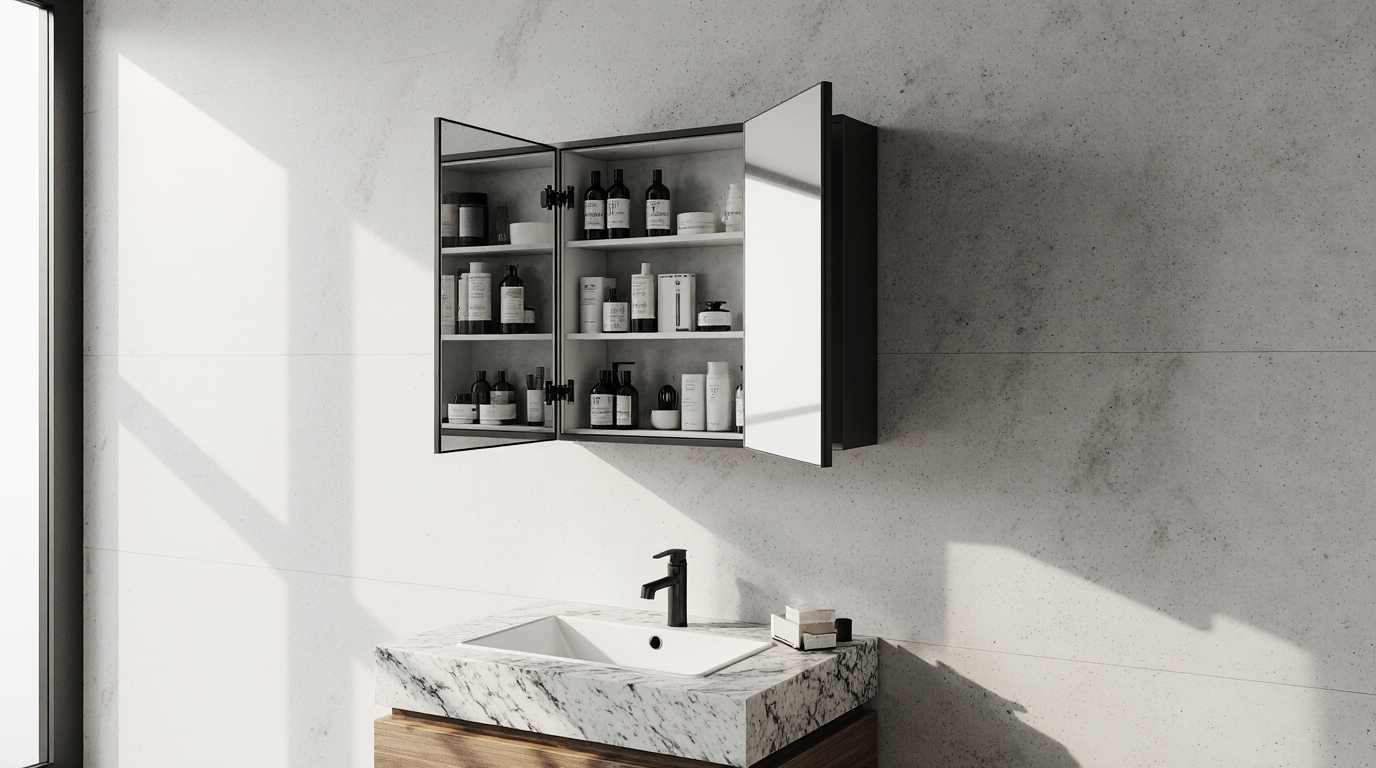
In my years designing and building custom cabinetry here in Sarasota County, I've seen the same predictable failure point time and again: medicine cabinets that delaminate and rust within a few years…
In my years crafting custom vanities for waterfront properties from Siesta Key to Longboat Key, I’ve seen the same failure point repeatedly: swollen, delaminated cabinet doors caused by Sarasota’s re…
Over the years, I've had to replace countless bathroom vanities in Sarasota County homes, particularly in Gulf-front properties on Siesta Key, that failed prematurely. The core issue is almost always…
In my years crafting cabinetry for high-end homes across Sarasota County, I've consistently identified a critical failure point in bathroom vanities: moisture-induced swelling. Standard particleboard…
I've lost count of the number of high-end Sarasota homes where I've seen bathroom vanities fail within five years. The issue is almost always the same: particle board or standard MDF cores swelling f…
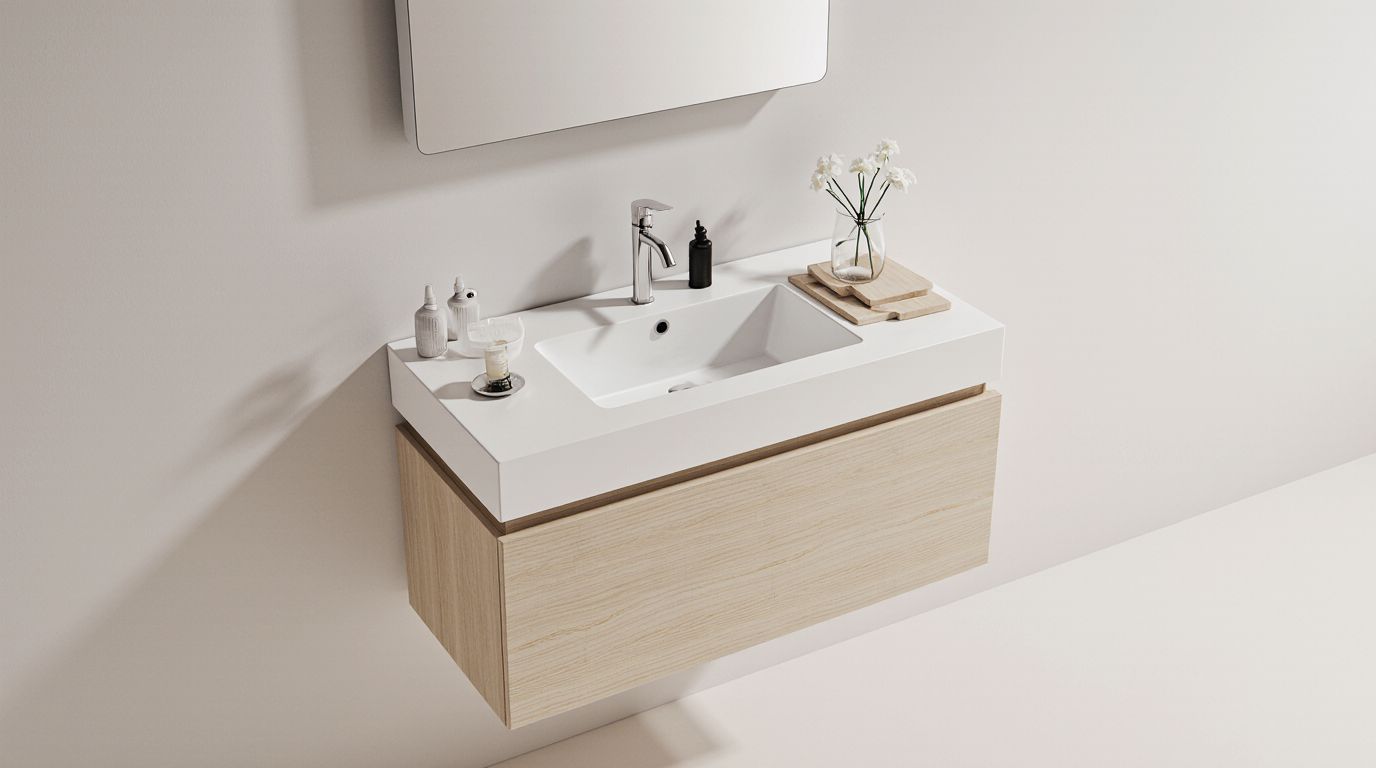
In my years crafting custom cabinetry for homes across Sarasota County, the most consistent failure I've witnessed is the rapid deterioration of bathroom vanities. Standard big-box units, even those…
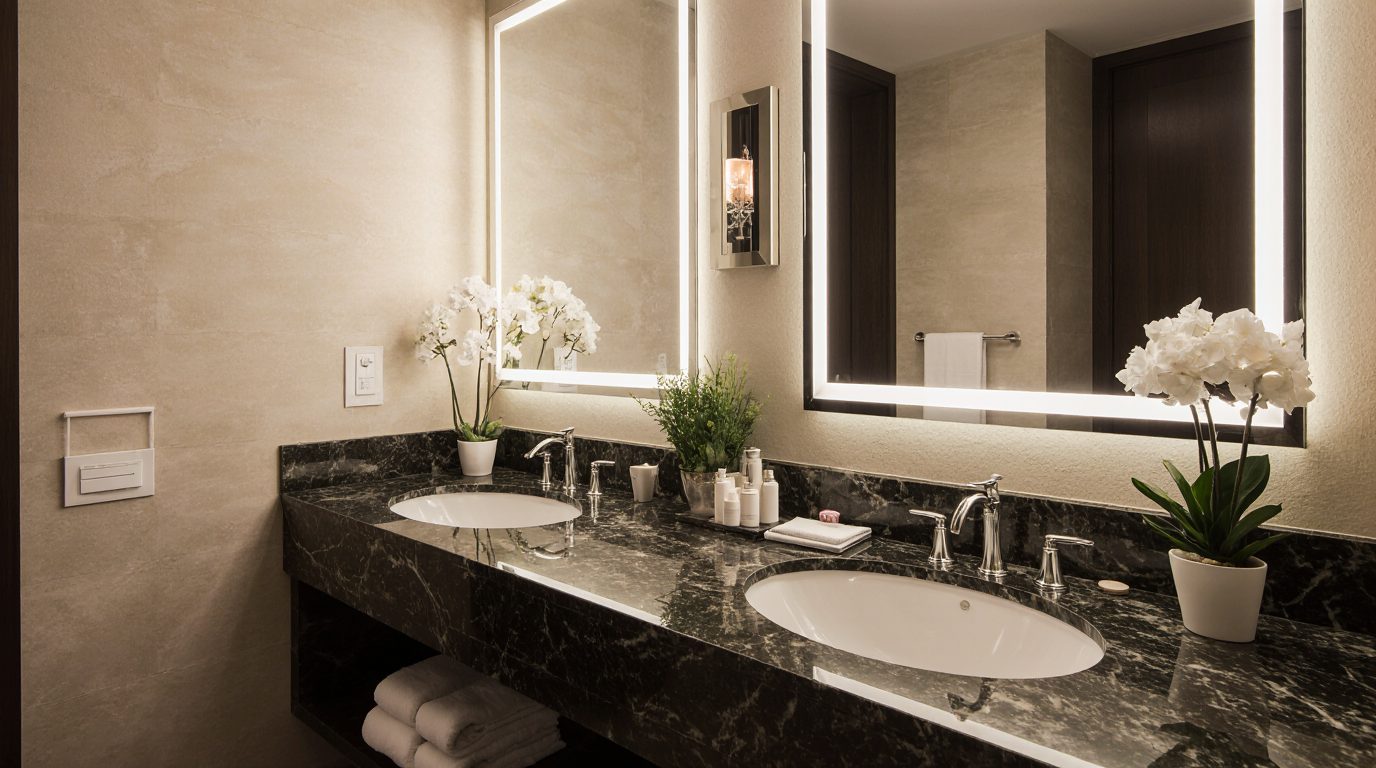
Over my years designing and building custom vanities in Sarasota County, I've consistently seen one failure point in high-end homes, especially those facing the Gulf: premature delamination and hardw…
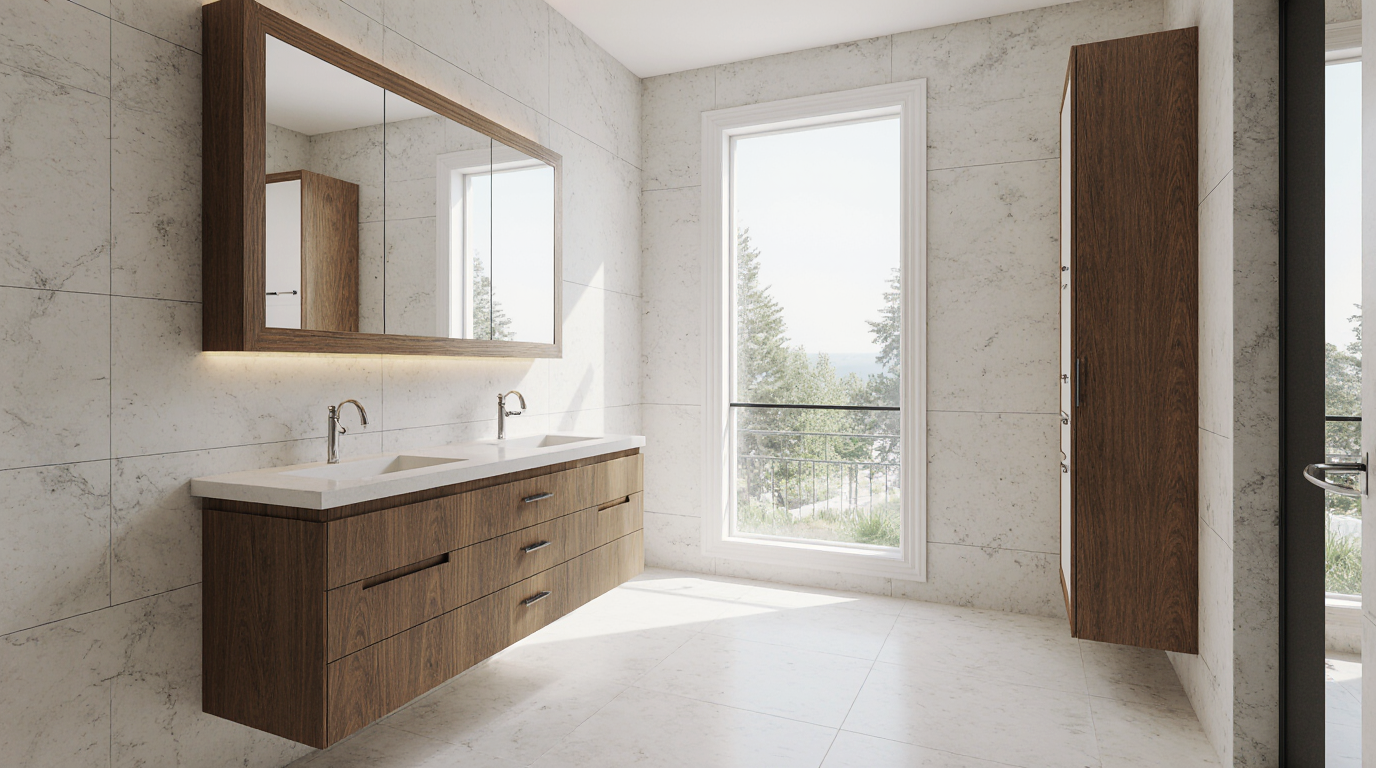
Working on luxury properties along Sarasota's coastline, I constantly replace bathroom vanities that have failed in under five years. The primary failure isn't just the humidity; it's the insidious e…
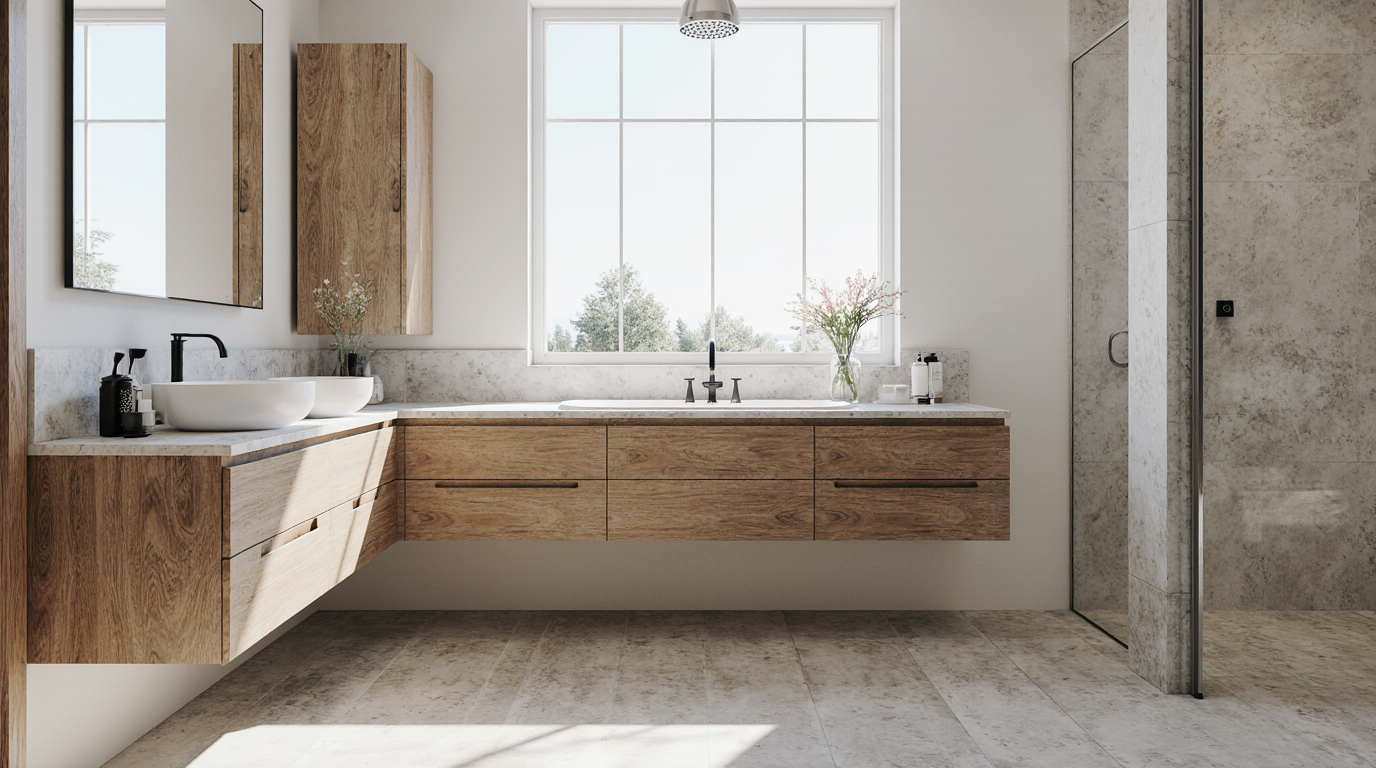
Over my years designing and building cabinetry here in Sarasota County, I've seen the same failure point repeatedly: bathroom vanities destroyed by our coastal humidity. Standard materials simply can…
Working on luxury properties across Sarasota County, I've seen a recurring, costly failure: bathroom cabinets that swell and delaminate within a few years. The issue isn't poor design, but a fundamen…
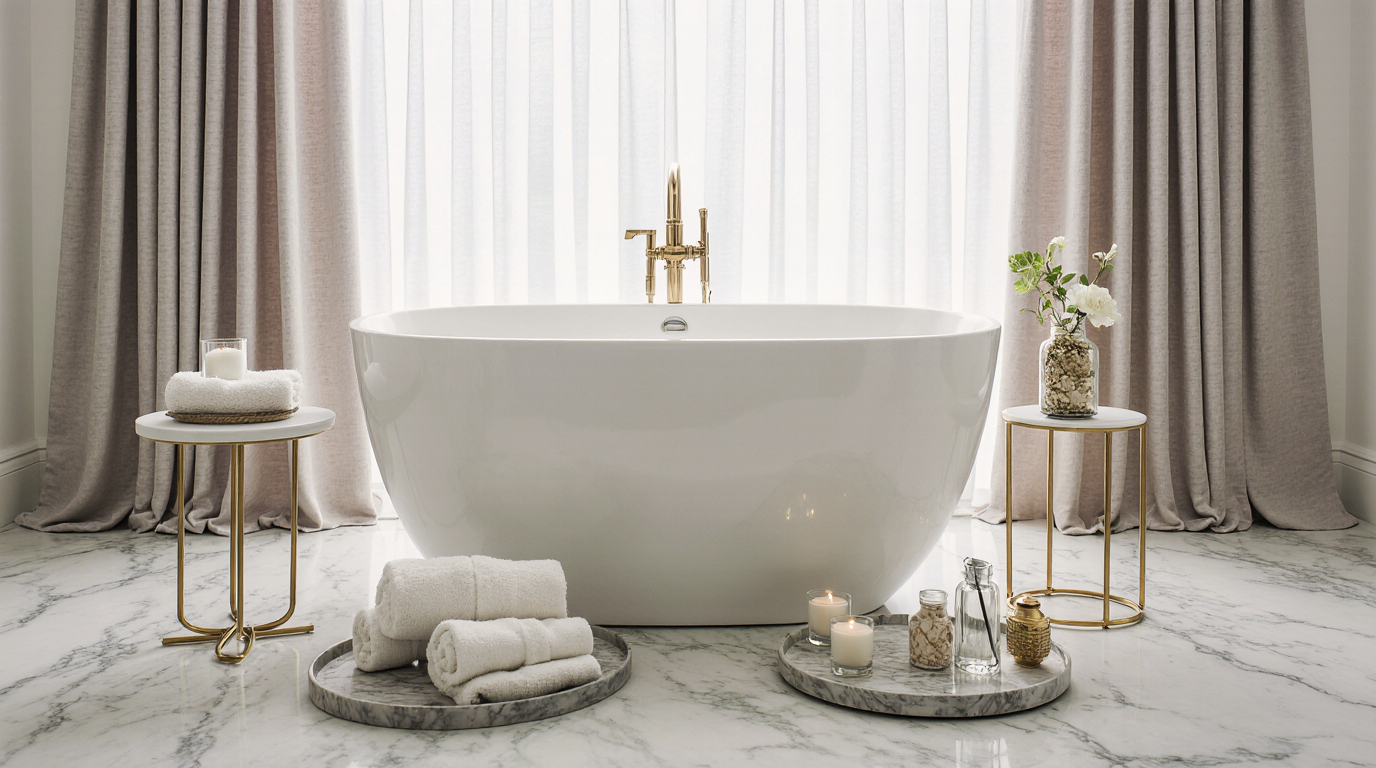
Over the years, I've replaced countless store-bought bathtub accessories in luxury homes across Sarasota County, from Siesta Key to Longboat Key. The primary failure point is always the same: corrosi…
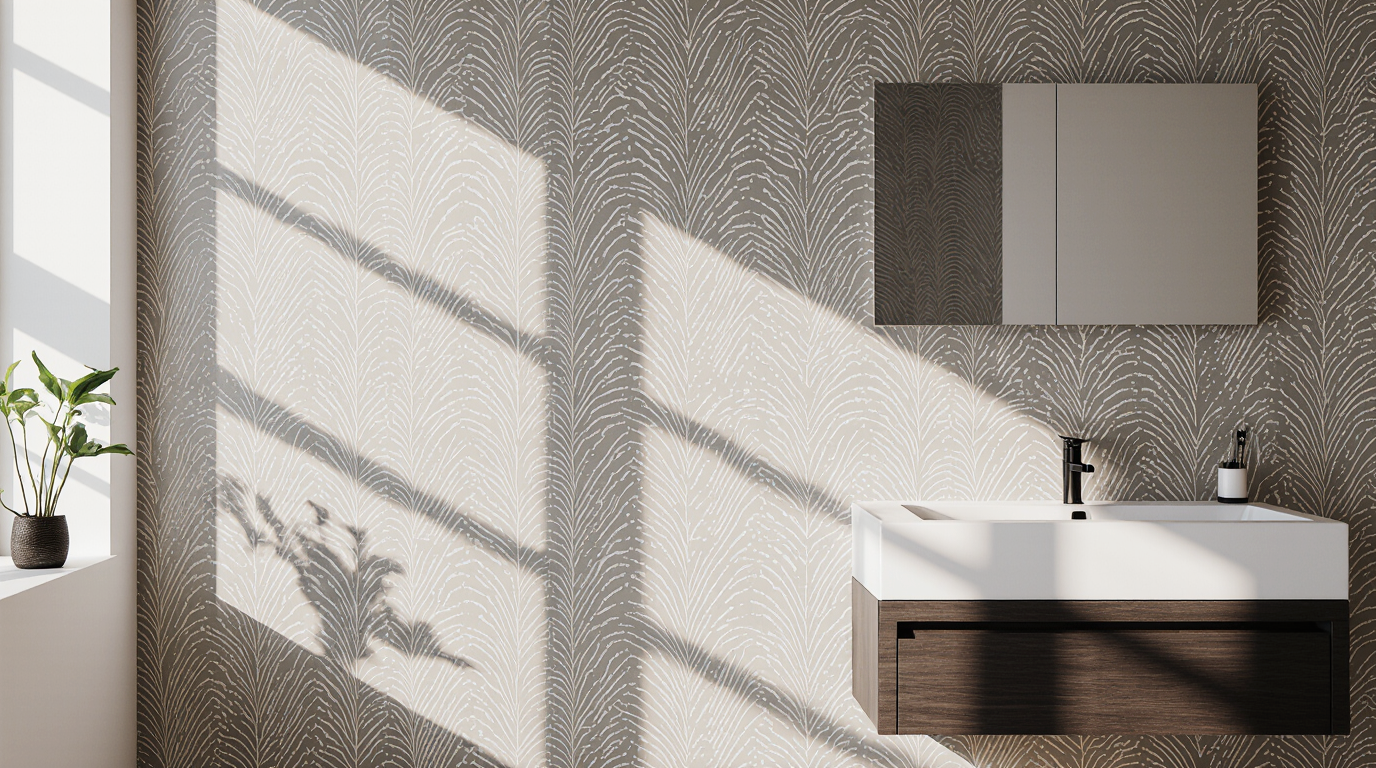
In my work on high-end bathroom renovations across Sarasota County, the most common failure I encounter isn't with the cabinetry, but with wallpaper that bubbles and peels within two years. Homeowner…
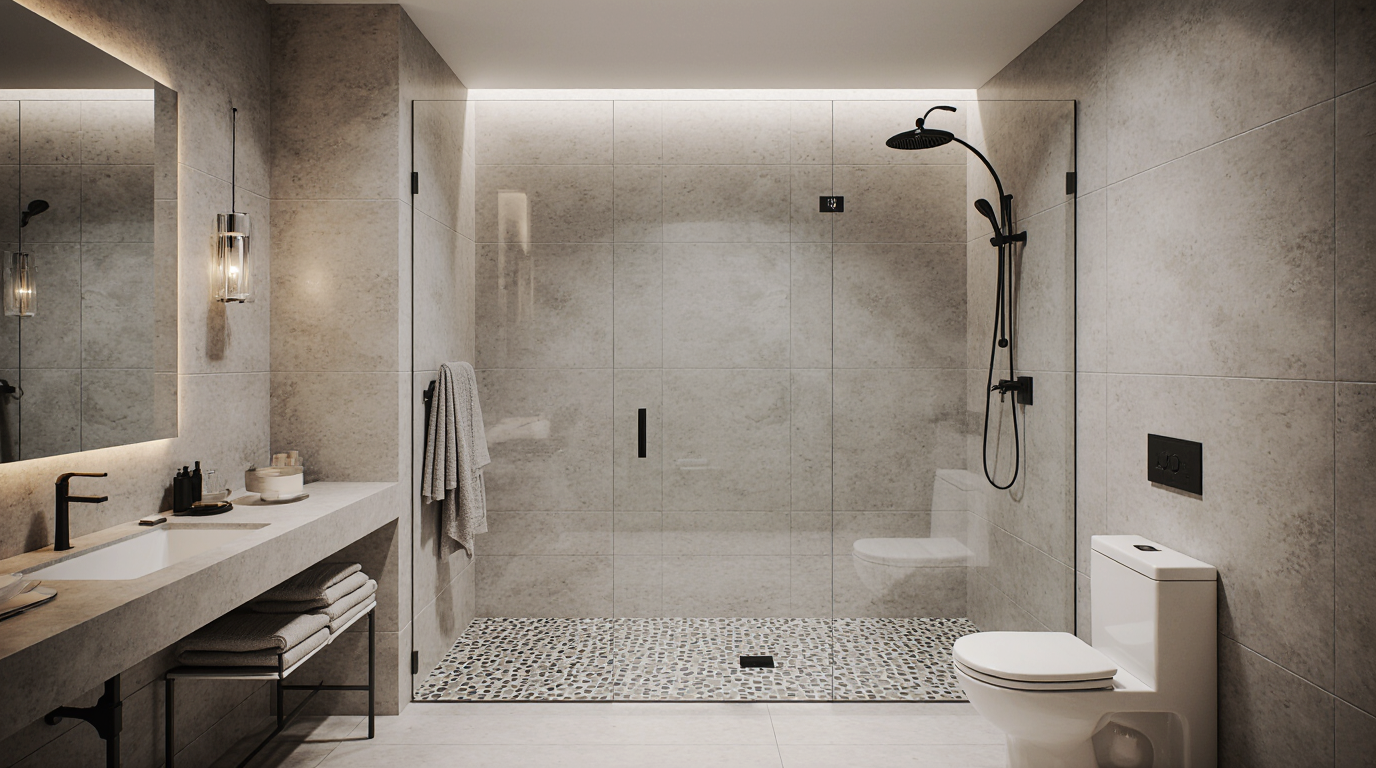
In my experience designing and building bathroom cabinetry for waterfront properties from Siesta Key to Longboat Key, the most common failure I see is delamination and swelling at the base of vanitie…
I've lost count of the number of high-end bathroom remodels I've seen in Sarasota County, especially in waterfront properties on Siesta Key, where standard vanities and shower benches begin to fail w…
In my years designing and building custom bathroom cabinetry in Sarasota County, the most frequent failure I diagnose is moisture-induced delamination. I’ve seen it time and again in waterfront prope…
In my years crafting custom cabinetry for homes across Sarasota County, I’ve seen one costly mistake repeated in high-humidity bathroom environments: mirror frames built from standard materials that…
Over years of designing custom cabinetry in Sarasota County, I’ve seen the same failure point in high-end bathrooms: vanities built with standard moisture-resistant MDF that inevitably swell and dela…
Working on luxury properties across Sarasota County, I've seen countless bathroom vanities fail prematurely. The primary culprit is almost always material specification failure. Standard cabinet-grad…
In my years crafting custom cabinetry for Sarasota County homes, I’ve seen the same failure point in small shower rooms: vanity doors that swell and delaminate within two years. This isn't just a cos…
In my years designing and building custom cabinetry in Sarasota County, I've seen the same critical failure point in small bathroom renovations time and again: catastrophic material swelling. The int…
In my years designing and building custom cabinetry here in Sarasota County, I’ve consistently seen the same failure point in small bathrooms: vanity cabinets that swell and delaminate at the base. T…
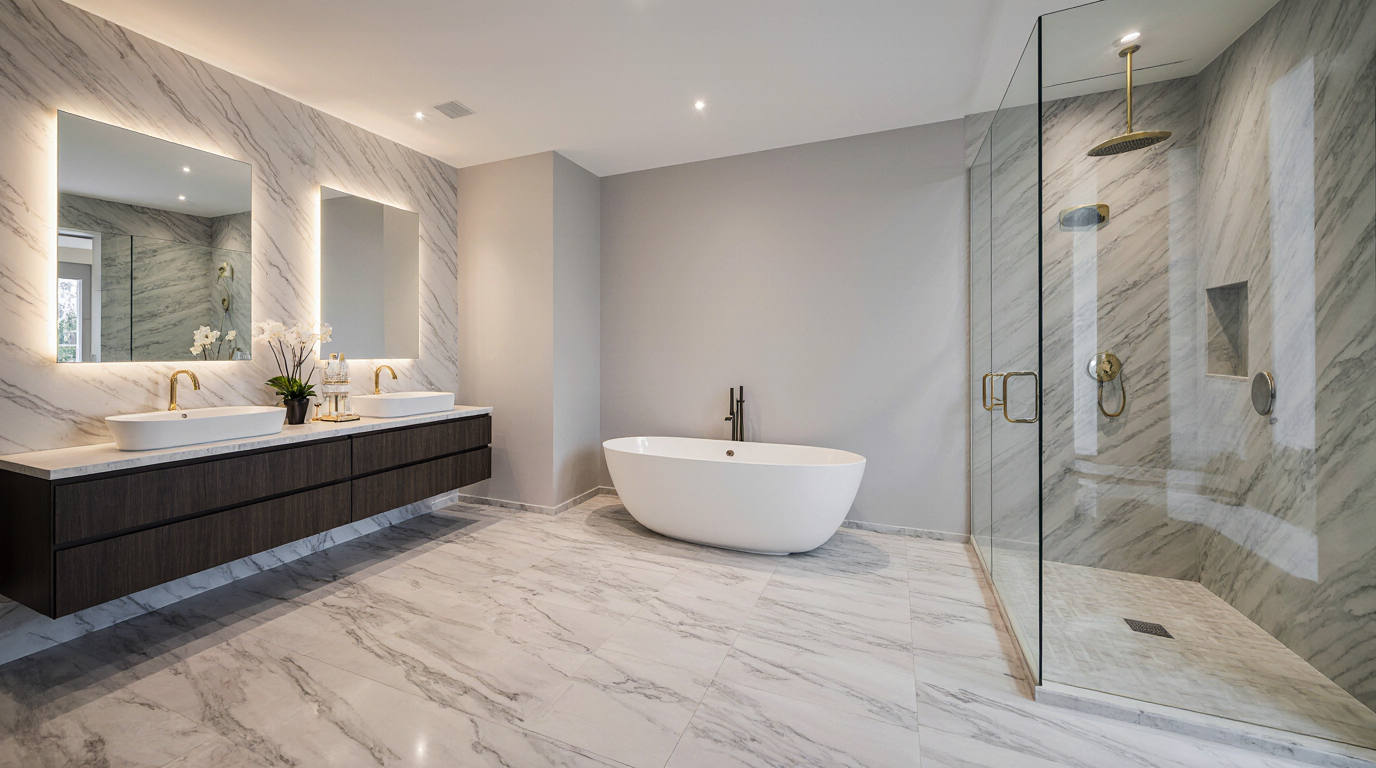
In my years designing and building custom bathroom cabinetry here in Sarasota County, the most frequent point of failure I encounter is water damage at the base of vanities, particularly in propertie…
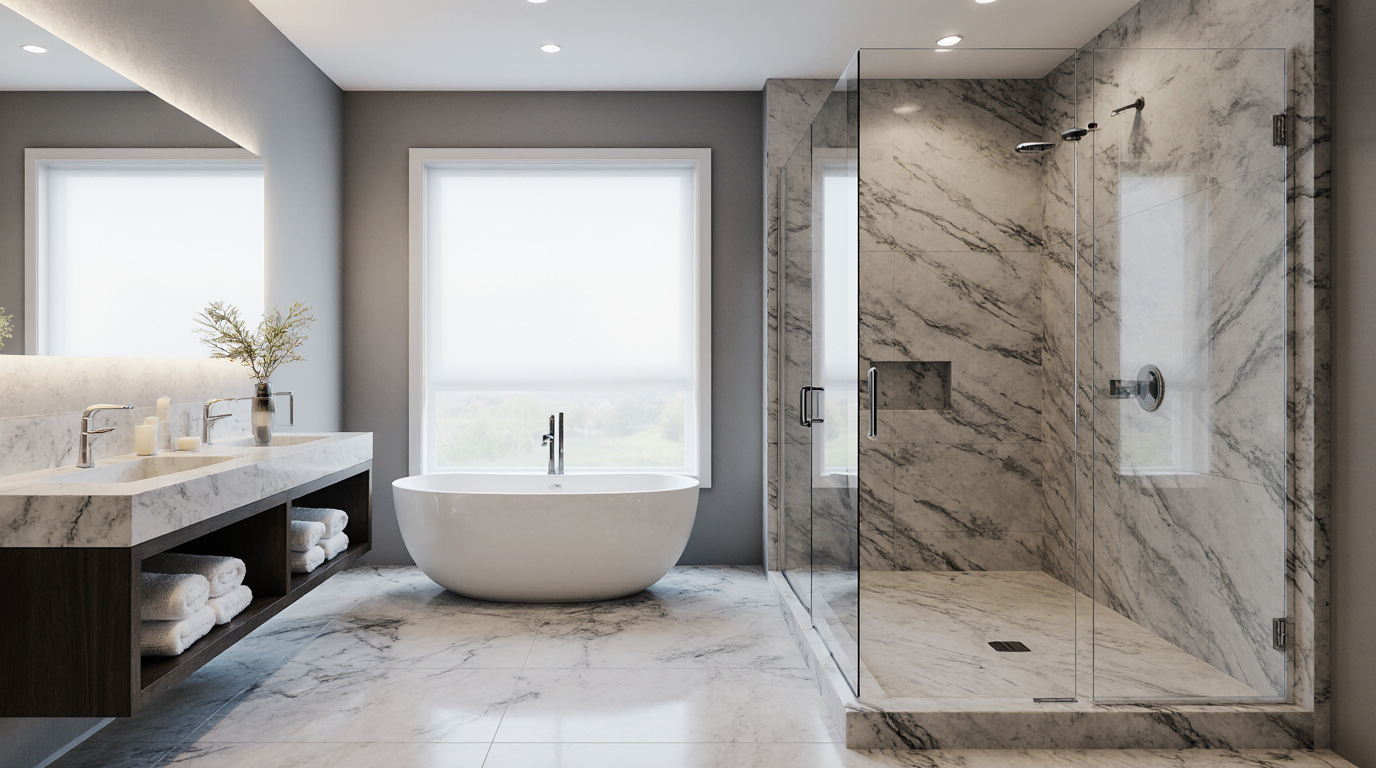
The common assumption is that a Sarasota bathroom remodel is all about aesthetics—picking the right tile and vanity. But after years of gutting and rebuilding bathrooms from Lido Key to Lakewood Ranc…
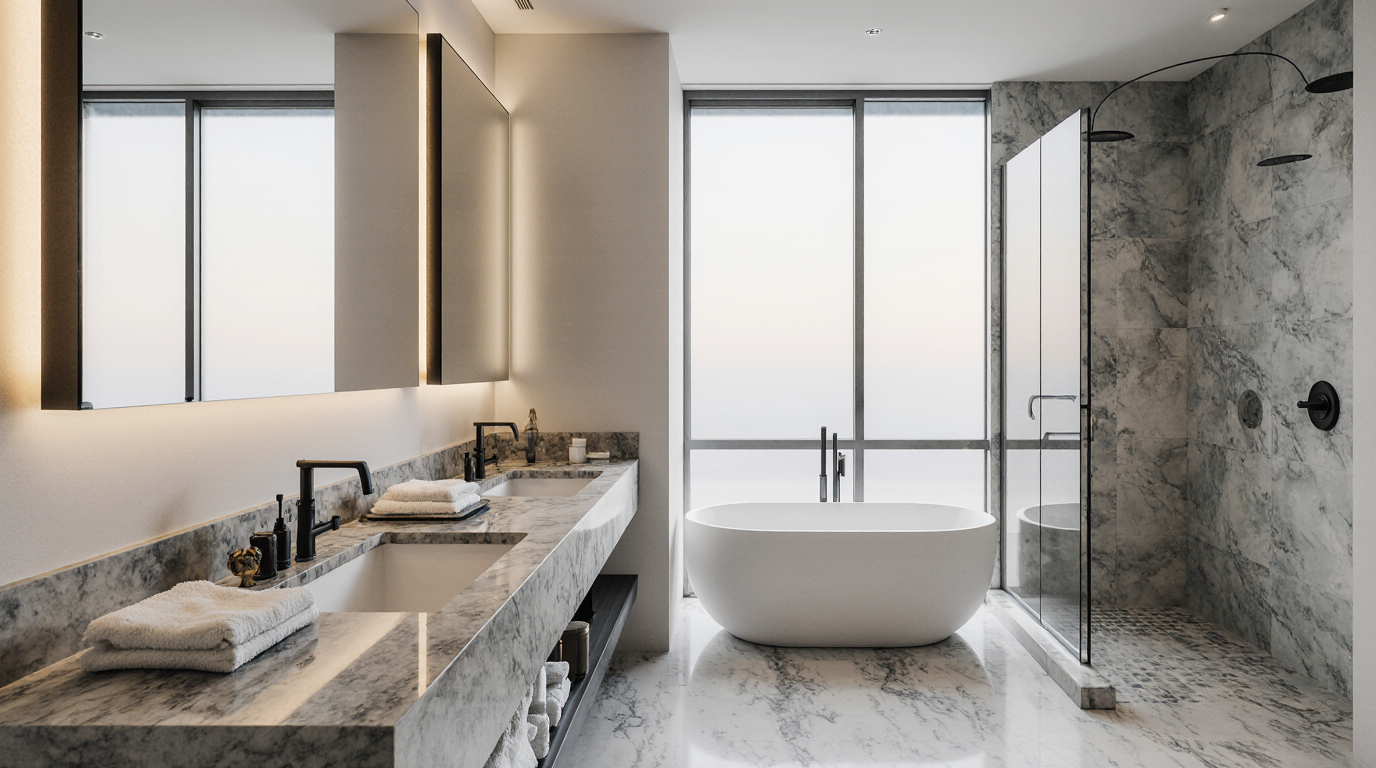
When you step into your bathroom in the morning, the last thing you want is to see signs of peeling paint or warped vanity doors. These aren't just cosmetic issues; in Sarasota, they are early warnin…
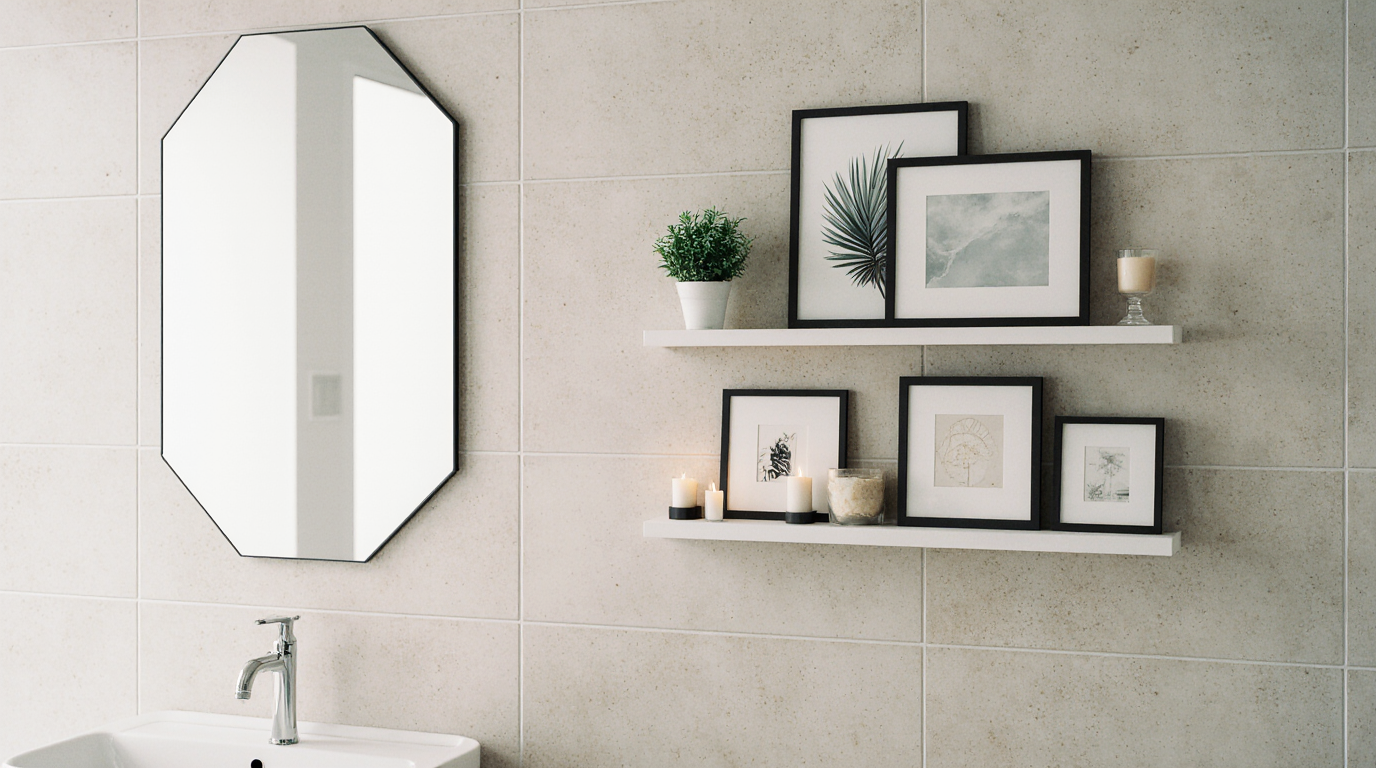
Many homeowners believe bathroom wall decor is purely about aesthetics, but in Sarasota, that mindset leads to peeling paint, warped materials, and mildew within a few years. The real challenge isn't…
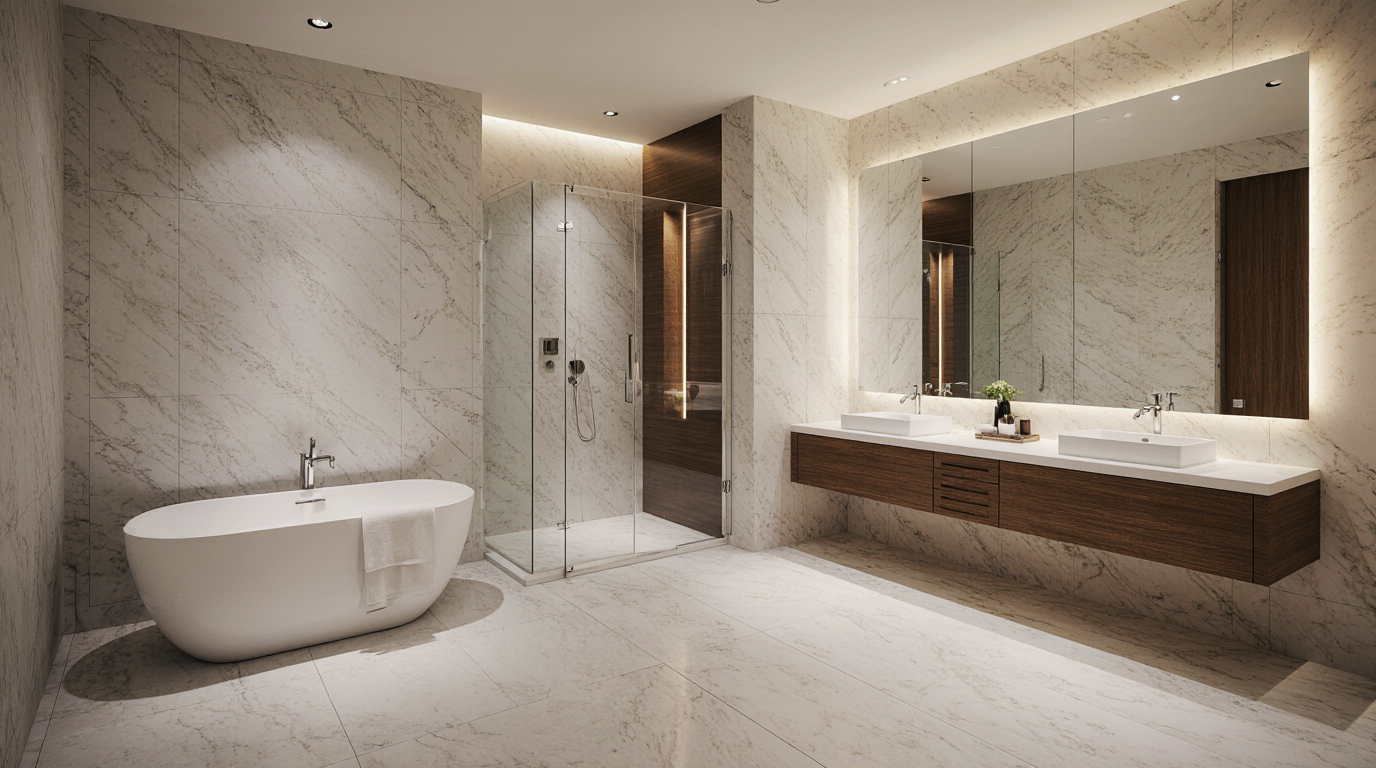
You're aiming for that clean, minimalist modern bathroom in your Sarasota home, but the real challenge isn't the design—it's ensuring it survives the local climate. The sleek, floating vanity that lo…
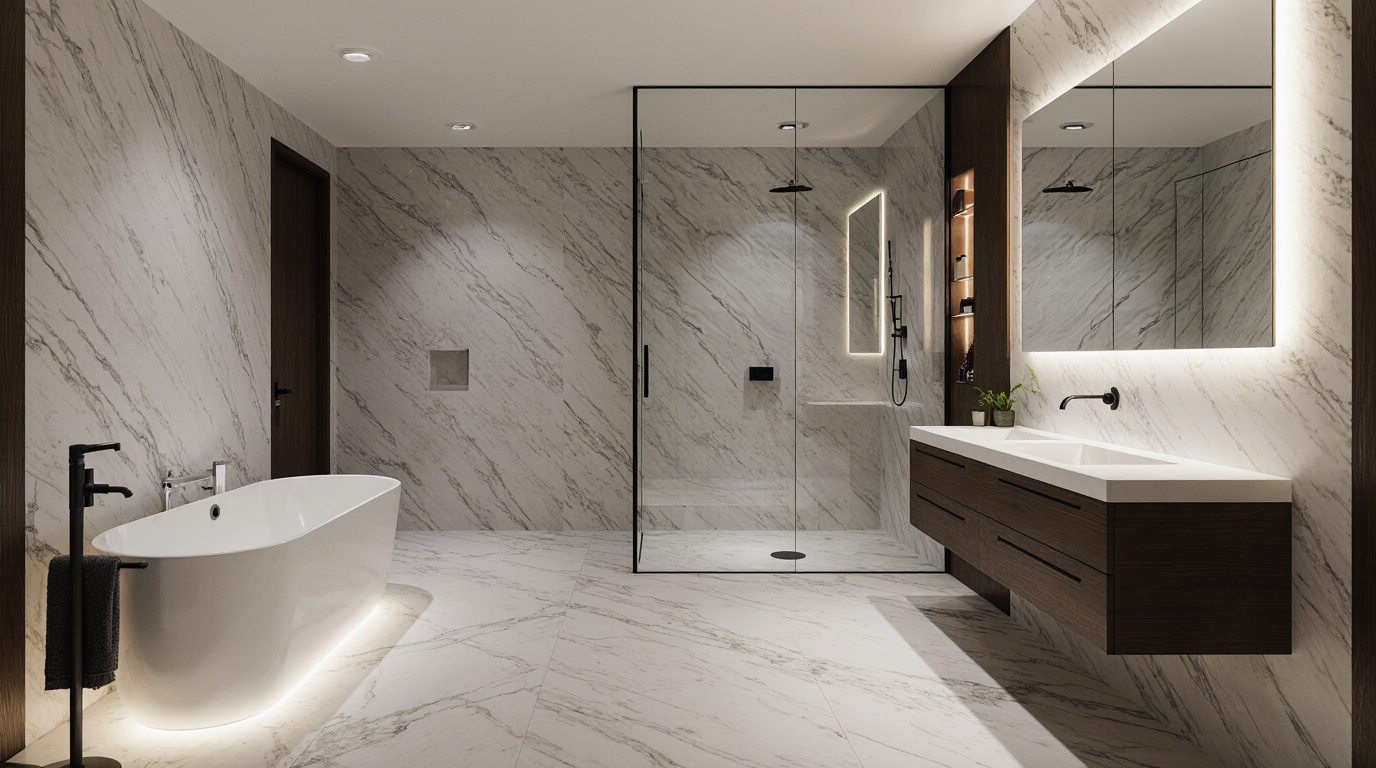
Designing a bathroom that truly stands out involves more than just selecting beautiful tiles and fixtures. The real challenge, especially in a place like Sarasota, is creating a space that withstands…
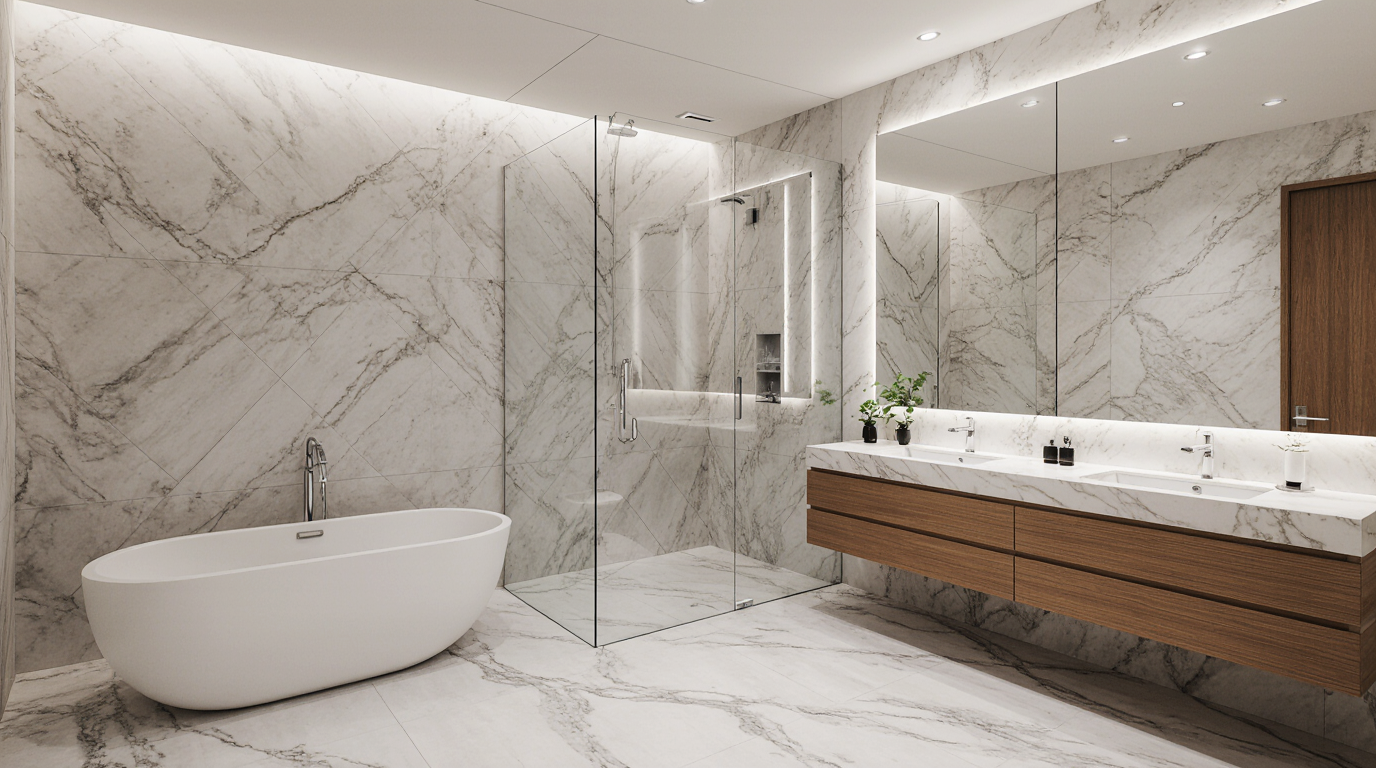
The common assumption is that a beautiful bathroom design is all about tile and fixtures. In Sarasota, that's a costly mistake. The real challenge is creating a space that looks stunning today and do…