The laundry room, once consigned to a dim, purely utilitarian corner of the dwelling, is undergoing a significant design metamorphosis. It is unacceptable for this practical requirement to be a mere secondary consideration; contemporary home design philosophy proclaims that every bit of space of a property must add to to the overall visual and emotional well-being of its occupants. At the vanguard of this revolution is the purposeful application of wallpaper, turning humble utility spaces into galleries of custom flair. This shift aligns perfectly with the 2025 trend for aesthetic functionality and big impact in compact zones.
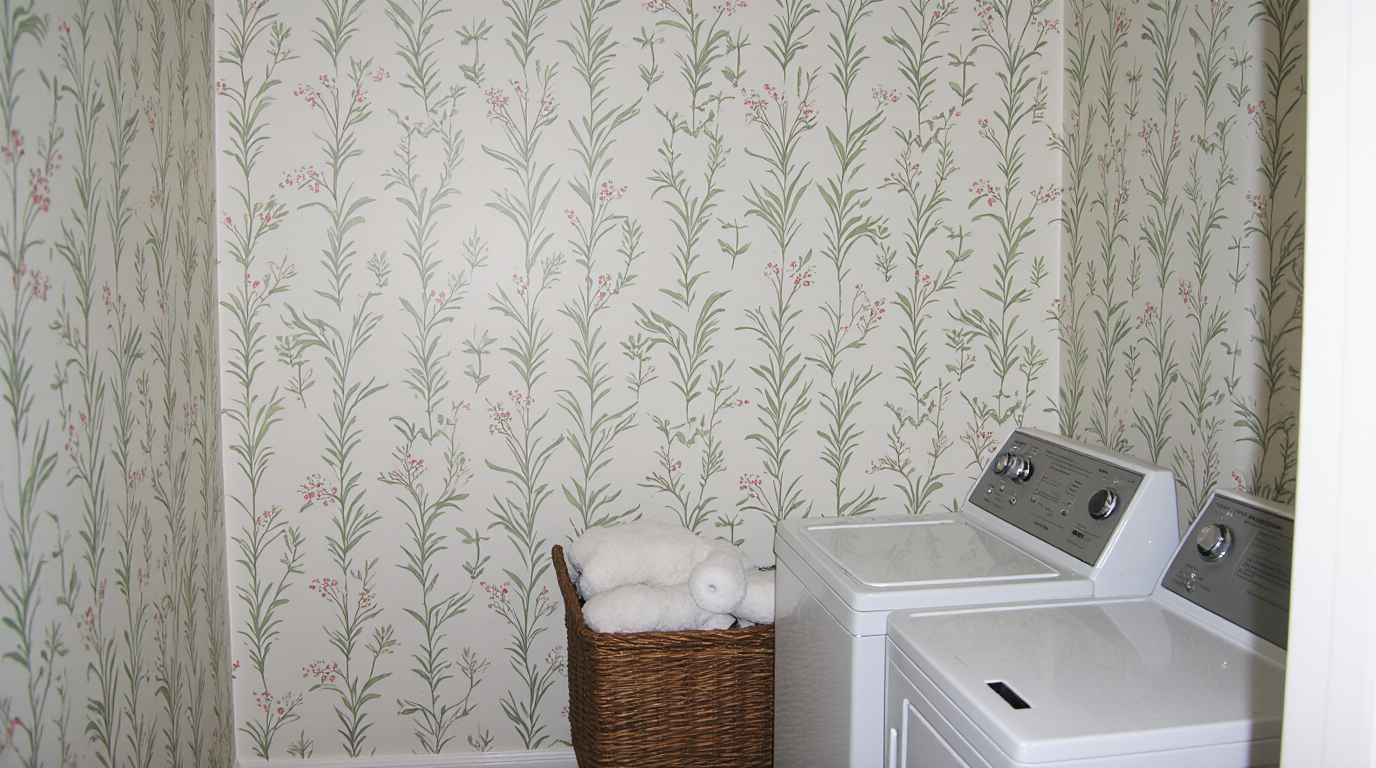
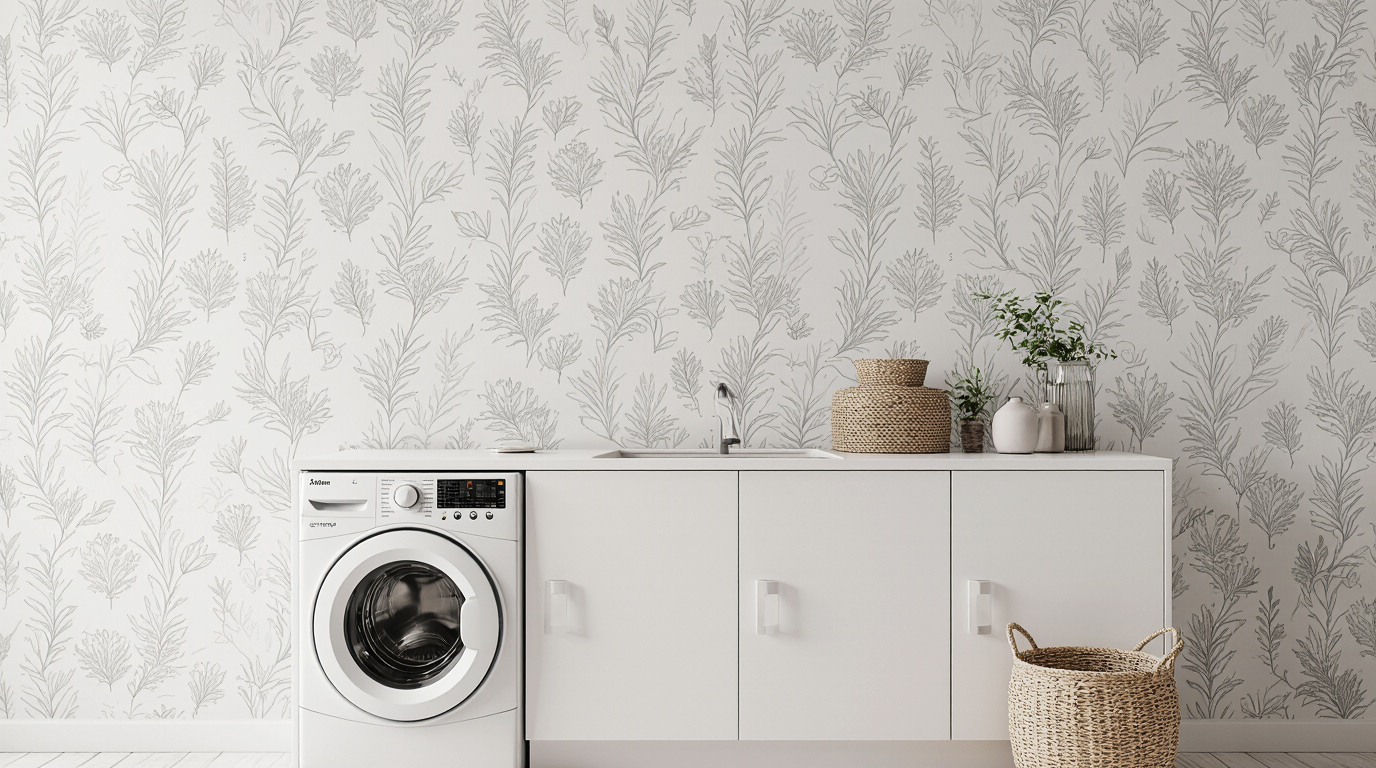
To truly perfect the art of the current laundry space, one must look past basic paint and embrace the surface quality, depth, and story that quality decorative covering provides. A well-chosen pattern acts as the focal point, immediately establishing an atmosphere that can range from soothing botanical quiet to bold, Art Deco drama. For those embracing softer, more soothing palettes trending in 2025—think soft sage greens, warm neutrals, and light oak finishes—a delicate, monochromatic covering is the design key advantage. Consider a unobtrusive motif, such as a lightly embossed pattern or a subtle forest line design. This strategy allows the room to maintain that clean, Scandinavian sense of calm while adding depth that makes simple white shelves and counters look better. This is stylistic unity in its most effective form, making sure the laundry section reflects the style of nearby rooms like the kitchen, achieving that wanted visual linkage.
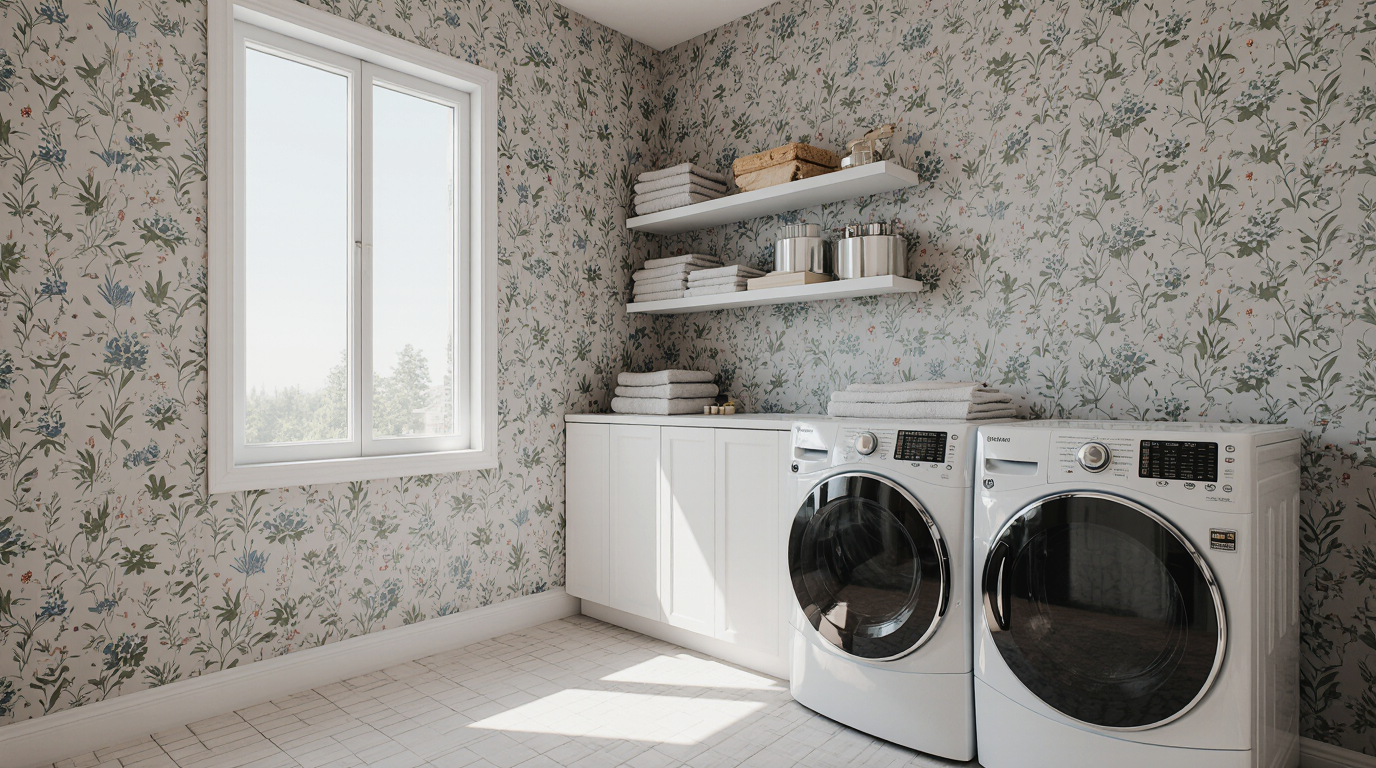
However, the laundry room is also the ultimate canvas for design bravery. Since it is often a smaller zone, or one that can be separated, it provides a excellent, risk-free setting to experiment with bold prints and unexpected themes. Imagine wrapping the room in a strong foliage pattern, perhaps featuring oversized foliage or rich, moody florals in deep olive or chimney black tones. This immediately introduces flair, making the chore of organizing laundry feel quite upscale. If you prefer playful elements, look for chinoiserie-inspired patterns or even tasteful, large-scale animal prints—the room's relaxed vibe is the best excuse for such fun selections, adding that element of personality that designers increasingly seek. A great feature wall covering is best grounded by timeless materials elsewhere, such as rich wood counters or simple cabinets in an anchoring shade, making certain the space seems elegant, not cluttered.
The utility requirements of the utility environment demand precise picking of the wallpaper substance. Toughness and humidity tolerance are the most important issues for any laundry room design. While old-fashioned paper may fail in dampness, modern options like vinyl or peel-and-stick wallpapers offer greater toughness. Peel-and-stick options, in particular, offer design flexibility, giving owners the freedom to try things out knowing taking it down will be easy when a new style arrives. For wet spots close to the basin or washer/dryer, a durable, cleanable vinyl offers heavy-duty strength against marks and dampness, a true sign of professional choice during planning.
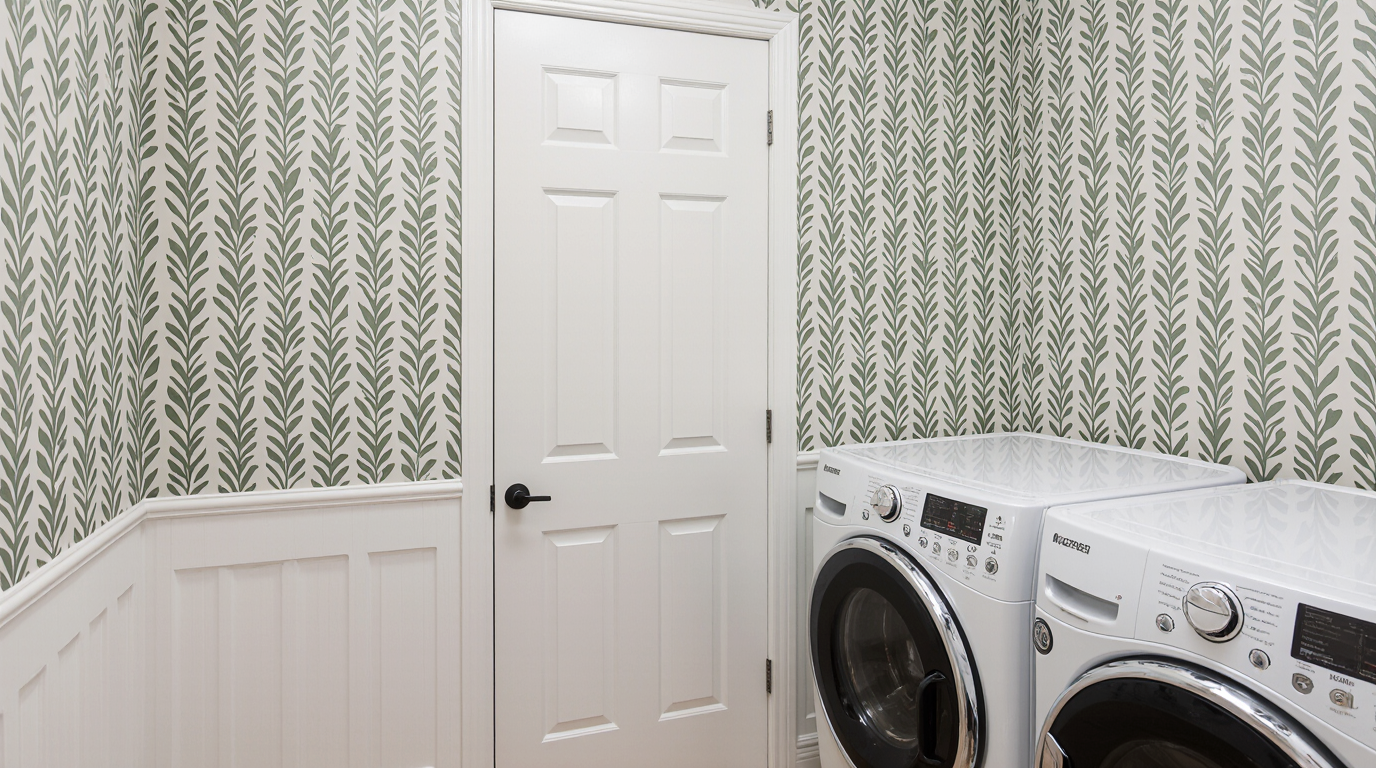
An often-overlooked design tactic is applying the motif unconventionally. Instead of confining the pattern to the four walls, consider taking the feature paper up onto the overhead surface. This method, known as full coverage up to the cornice, is most useful in rooms where the ceiling is low, as it draws the eye upward, giving the impression that the whole space is bigger and more encompassing. This all-encompassing method transforms the space from a standard room into a true retreat, reflecting the demand for spaces focused on the user's needs. As another choice, for budget control or visual balance in a busy space, commit the pattern to a single accent wall. This the primary vertical surface, typically situated behind the appliances or facing the entrance, becomes the primary visual anchor, permitting the rest of the surfaces to have plain color or complementary wood detailing, which adds texture and saves on material expense while supporting the goal of aesthetic integration.
Color strategy is deeply connected to the specific motif. A laundry room gains significantly from shades suggesting purity and peace, such as serene blue or soft grey-blue, which pair beautifully with metal fixtures and appliance finishes. However, to introduce needed heat against the chill of ceramic and metal, incorporate earthy shades. A motif incorporating reddish-brown or pale timber notes can bring in rustic beauty and comfort, especially when combined with materials like wicker hampers or cane furniture—components that fit the growing popularity of organic touches in global design. The choice of hardware further cements the style;|brass or copper taps can work well with warmer paper colors, whereas matte black hardware provides a sharp, modern contrast to lighter or more playful prints. The What comes from these thoughtful layers is a room that surpasses its basic role, becoming an extension of the home’s premium fittings and fixtures strategy. In the end, choosing the perfect feature wallpaper is the most significant design move for turning a dull service space into an elegant, very functional, and highly individual part of today's residence.